
A merchant-first perspective
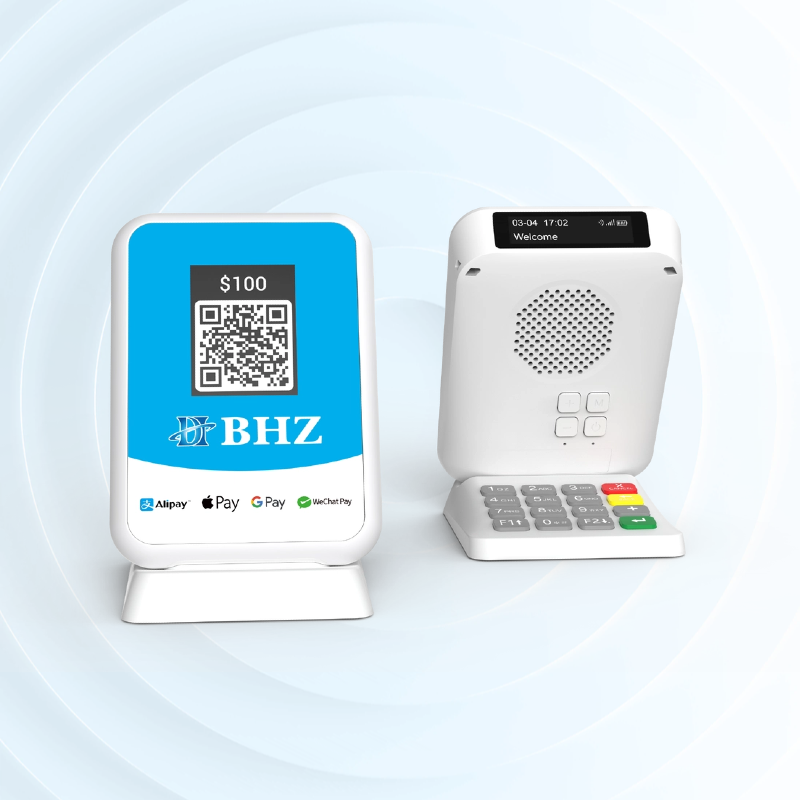
Merchants and front-line staff measure success by how reliably payments clear during busy hours. For small cafés in Vienna and similar urban markets, a dependable QR payment device removes friction at the counter and sustains revenue flow. A practical addition is the qr payment soundbox, which pairs audible confirmation with the QR code display to reassure both cashier and customer. This article follows a user-centred logic: identify what frustrates the operator, then describe clear steps to reduce downtime and protect the customer experience.
Why uninterrupted service matters to users
Customers expect swift, consistent transactions. When a POS terminal or QR code reader fails, queues lengthen and staff morale dips. Technical failures introduce latency and increase error rates at the point of sale, costing time and trust. Reducing such interruptions improves throughput and prevents abandoned purchases — a direct benefit for turnover and brand perception.
Common mistakes that increase downtime
Many outages stem from avoidable decisions: putting firmware updates on a default overnight schedule without rollback capability; relying on a single network link for payment traffic; or using devices that require frequent manual intervention. A frequent oversight is assuming the device’s local cache will cover connectivity loss — it mitigates some cases but not prolonged outages. Simple policies often fix these issues: scheduled staged updates, minimal local dependencies, and predictable failover paths.
Practical patterns to reduce interruptions
Adopt patterns that favour resilience rather than complexity. First, use staged, atomic firmware deployments with immediate rollback in case of anomalies; this prevents widespread failures after an update. Second, implement dual network paths — for example, Wi‑Fi plus cellular fallback — so a dropped link does not halt transactions. Third, monitor device metrics centrally: uptime, transaction success rate, and average confirmation latency give early warning. A further safeguard is using tokenisation for card data so that even if a device disconnects, recent token transactions remain verifiable by the backend when connectivity returns. Where audible feedback matters, a QR payment soundbox or a qr code payment sound box adds a human layer of confirmation that reduces support calls and speeds resolution.
When to prefer one setup over another
Choices depend on volume and environment. A standalone soundbox paired with a smartphone or tablet suits market stalls and pop-ups where lightweight, robust devices are required. For high-volume retail, integrated POS terminals with redundant networking and local transaction caching are prudent. Mobile-only acceptance works for very low-footfall contexts but increases dependency on phone battery and carrier service. Compare each option on maintenance effort, mean time between failures (MTBF), and staff training needs before committing to hardware.
Common troubleshooting habits and how to avoid them
Front-line teams sometimes reboot devices repeatedly or re-image hardware on the spot — actions that mask underlying causes and breed recurring incidents. Instead, log the error context: time, network state, and recent firmware changes. Build a short diagnostic script for staff: check LED status, confirm cellular signal, and capture a transaction trace. Train staff to escalate with a succinct report rather than improvising fixes; this reduces repeat failures and shortens mean time to repair.
Three golden rules for selecting resilient QR payment systems
Measure each option against three critical metrics: uptime percentage under realistic load; mean time to recovery (how fast you can restore service after interruption); and transaction integrity (consistency of successful settlements after reconnection). Prioritise hardware with clear remote management APIs, verified cellular fallback, and user-facing confirmation like a soundbox — these elements lower operational cost and friction. Finally, choose vendors who supply transparent logs and timely support; that is the difference between a device and a dependable payment partner. For practical deployment and ongoing support that emphasises these strengths, consider partners with proven kits and service models such as BHZ. –