
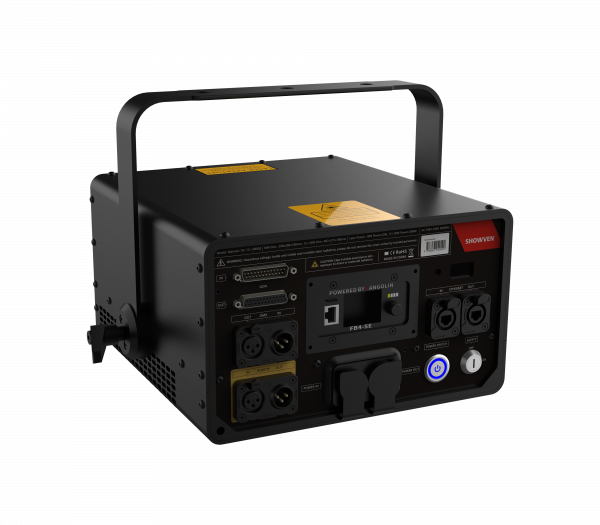
Opening Scene: When the Room Breathes in Color
The bass drops, the room pauses, and a curtain of light slices the haze. DJ laser light hits the air and people feel the music on their skin, not just in their ears. I’ve seen a 300-cap club go silent, then erupt, just from a single beam tilt—dramatic, sure, but measurable. In one venue audit, visual cues drove a 19% longer dwell time near the stage, and a higher bar spend (small changes, big impact). But here’s the rub: are your cues landing, or just scattering?
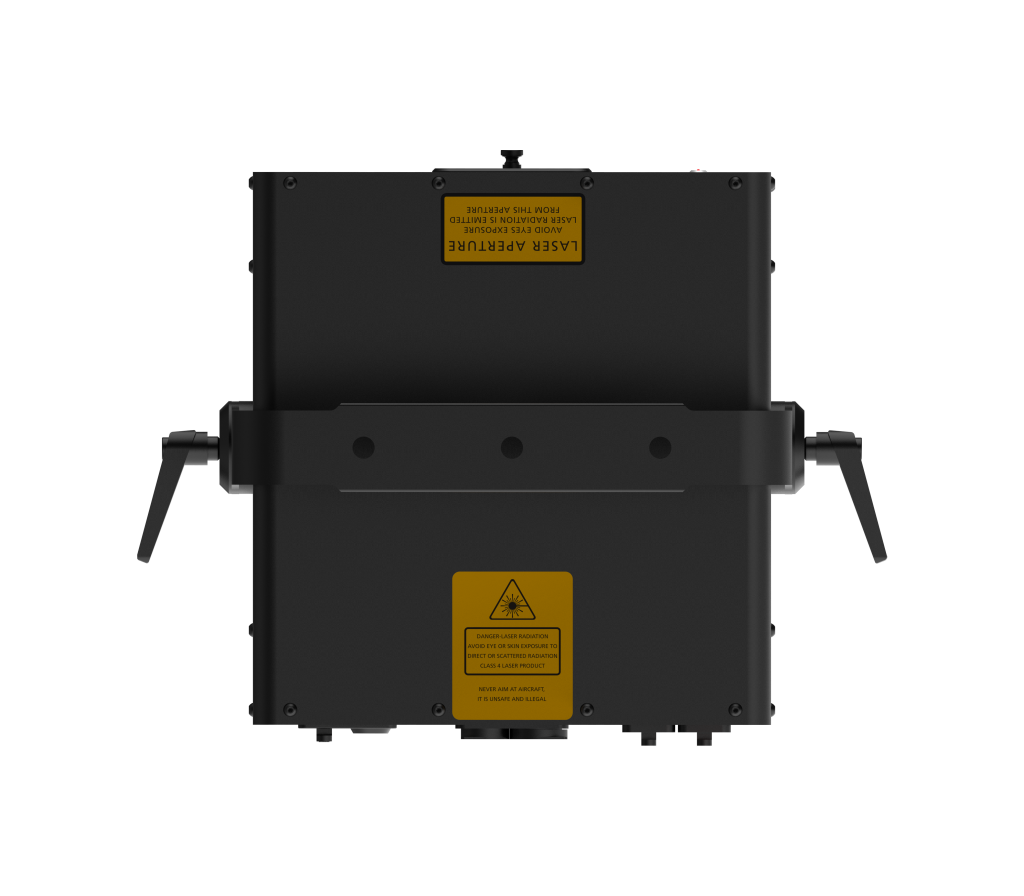
Too many rigs rely on guesswork and quick fixes. DMX512 patched on the fly. Safety interlock zones taped on the floor. Beam divergence ignored until someone notices a blown-out hotspot on video. We can do better. The crowd deserves more than bright lines and loud sweeps—they deserve intent. And you deserve control that doesn’t crack under pressure. So let’s get practical, and a little bold. What’s actually holding your room back—and how do you fix it without overthinking every scene?
Stay with me—we’ll pull the threads that matter and leave the rest.
The Deeper Problem: Why Good Rooms Still Miss the Mark
What’s the real snag?
Most clubs buy club laser lights for punch, not precision, then discover the limits in the first week. The beam looks strong, but the map is wrong. Galvanometer scanners drift when the room heats up. ILDA cues run fine offline, then skew on show night because the haze density changes. Your beam attenuation map doesn’t match your balcony angle. And that “quick DMX fix” adds latency you can feel on the drop—one beat late, one reaction lost. Look, it’s simpler than you think: the system isn’t bad, it’s just blind. It doesn’t know the room you’re in, or the crowd you’re steering. That’s not art; that’s guesswork.
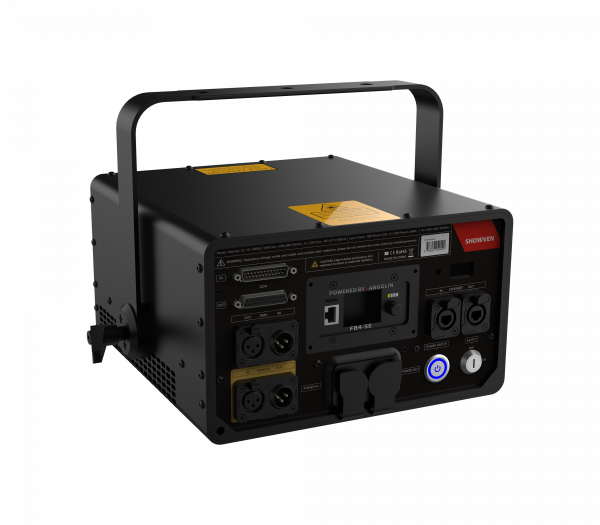
Then power hits. Dirty mains stress power converters. Thermal management throttles output right when the floor fills. Operators turn down intensity to stay safe, then complain the show feels flat. Without real-time safety zoning, you end up with too many no-go areas, and too few wow moments. Even great rigs falter when control nodes aren’t local—edge computing nodes help, but they’re rare in small rooms. It’s not a lack of talent. It’s a chain of tiny mismatches: angle, timing, temperature, and trust.
Next-Wave Principles: From Guesswork to Control
What’s Next
Here’s the pivot. The next wave of laser for club rigs shifts from “program and hope” to “sense and adapt.” It starts with auto-calibrated scanners and beam profiling. The system pings the room, measures throw and haze, then tunes divergence for clarity—not just brightness. Safety zones set themselves with live masking, not taped lines. Timing locks to audio with FPGA-level sync, so cues ride the transient, not the lag—funny how that works, right? Add onboard sensors for temperature and tilt, and the unit keeps its power without cooking itself. You still call the shots. The rig just stops fighting you.
Comparatively, old-school workflows leaned on ILDA files and manual safety checks. They worked, until the crowd shifted or the balcony packed early. The forward model is different: real-time beam shaping, IP-rated enclosures for rough nights, and fast TTL modulation for crisp edges that hold up on camera. It’s simple math—fewer unknowns, tighter control, better looks. And yes, you can still run DMX512 for quick cues; the difference is that the device knows the room as well as you do. That’s the whole game—clarity over chaos, still flexible, still fun.
So what matters most when you choose? Aim for three things: scan speed you can verify (think kpps under load, not just on paper); controlled beam spread in milliradians for clean geometry at distance; and a safety stack that includes interlocks, emergency stop, and live zoning you trust. The rest is taste, and how you tell your story. In the end, the crowd remembers how the light made the beat feel bigger, and how you made the room breathe. Guidance over hype. Craft over noise. Showven Laser