
Why you need this list—fast
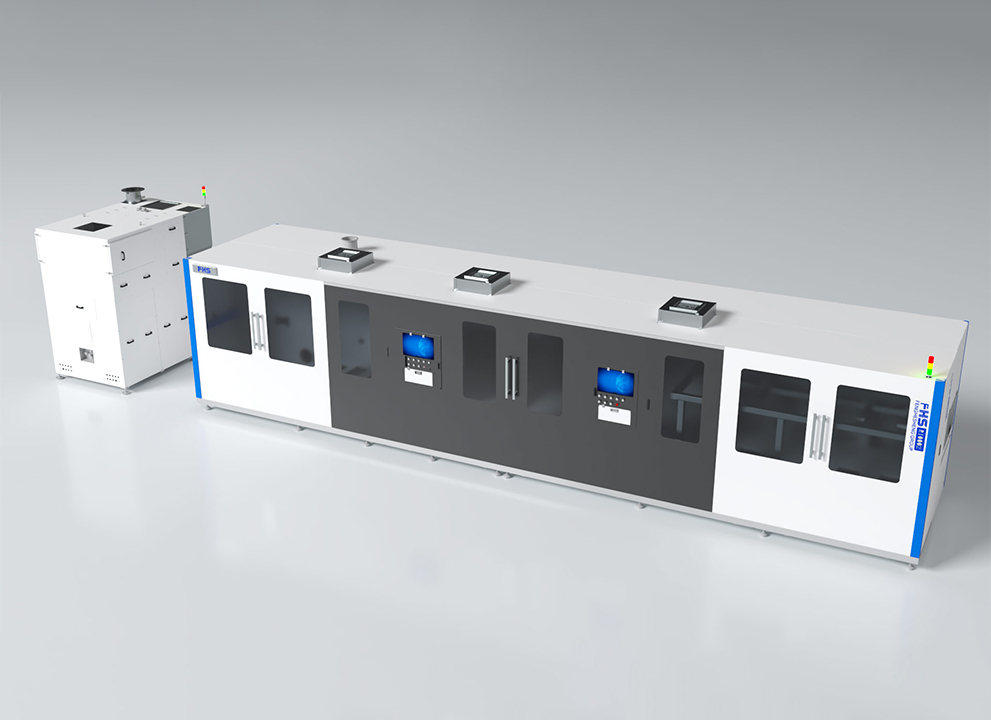
Buying automation feels hype-heavy and risky. Plants stall, safety gets messy, and ROI vanishes if you pick the wrong system. Start by spotting the real problems you’re trying to fix. If you’re shopping for battery manufacturing automation, don’t chase shiny demos—figure out what’s broken on the floor first. I’ve seen teams miss the mark after trade shows like the Munich Battery Show; that’s where buzz meets reality and you gotta cut through it.
1. What exact problem are you solving?
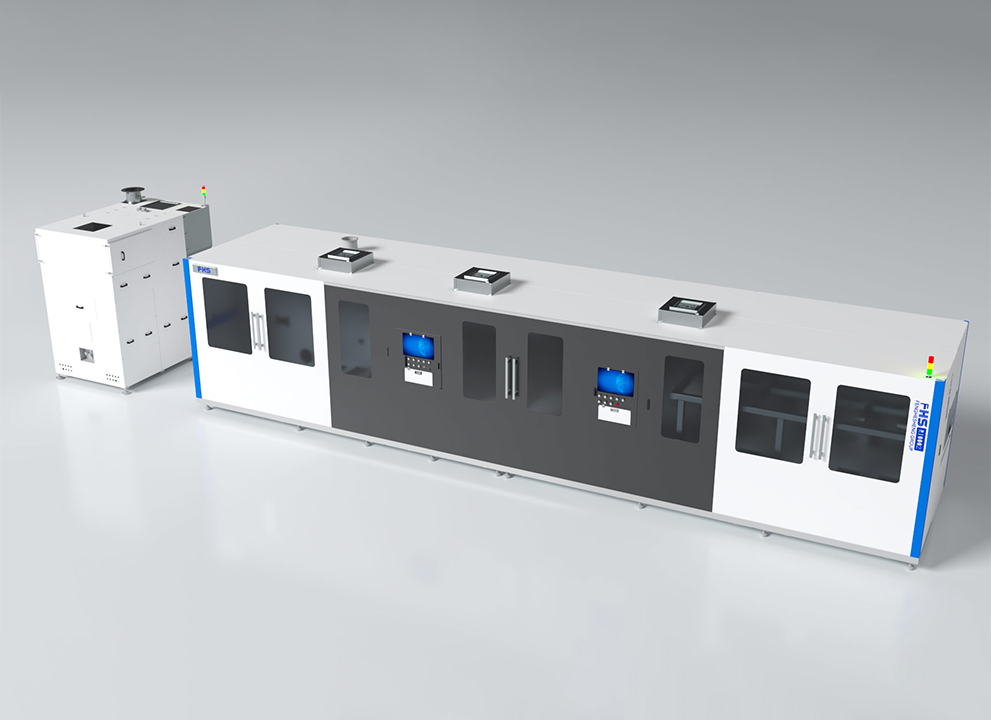
Vague answers equal regrets. Ask the vendor to map the solution to a clear pain—throughput bottleneck, electrode misalignment, or thermal runaway detection. Demand specific metrics: current cycle time, target cycle time, and the failure mode they’ll eliminate. If they dodge numbers, walk.
2. How will this fit into existing processes and people?
Automation that ignores operators and maintenance staff fails fast. Get a candid plan for training, shift handoffs, and SOP changes. Ask for a timeline showing when the line runs at the promised performance and who on your team owns each step.
3. Can it handle the parts and tolerances you run? (Spare parts & service question)
Battery lines use tight tolerances and specific modules. Probe for compatibility with your cell sizes, modules, and material feed. Ask where spare parts come from and how fast they ship—then check availability for the exact tools and fixtures used in your cell assembly equipment. Don’t accept “we’ll adapt” as a final answer; ask to see test data.
4. What safety cases and certifications back this system?
Safety isn’t a sticker. Demand the safety PLC architecture, risk assessment reports, and certifications relevant to battery chemistry and high-voltage handling. Ask for incident scenarios they considered and what interlocks trigger on an anomaly. If their safety narrative is fluffy, so is their system.
5. How predictable is the total cost of ownership?
Vendors love to headline CAPEX. Push them for a three- to five-year TCO breakdown: maintenance, consumables, software subscriptions, spare parts, and downtime modelled on your real failure rates. Ask for an escalation clause on software fees and how upgrades are handled.
6. What data will it give me, and can I use it?
Data is worthless if you can’t use it. Clarify what telemetry is exposed, sampling rates, storage, and APIs. Ask for a sample dataset and a demo integration with your MES or historian. If the system locks data behind proprietary formats, consider it a red flag.
7. How does the vendor validate performance before shipping?
Insist on factory acceptance testing with your process recipe and materials. They should show run charts, defect maps, and full cycle logs. If they can’t replicate your key variables at FAT, plan for a risk-based acceptance plan on-site.
8. What’s the plan for upgrades and lifecycle support?
Electrode designs and cell formats change. Ask the vendor how hardware and software updates are handled without derailing production. Get SLAs for patching, security fixes, and compatibility guarantees. Future tweaks shouldn’t require ripping out the whole line.
9. Who actually runs your installs and support—internal teams or contractors?
On paper, everyone’s certified. Ask for CVs or bios of the people who will be on your floor. Confirm they’ve worked on battery cell lines and high-voltage assemblies. Real experience beats glossy slides every time.
10. What failure modes have you seen in the field and how did you fix them?
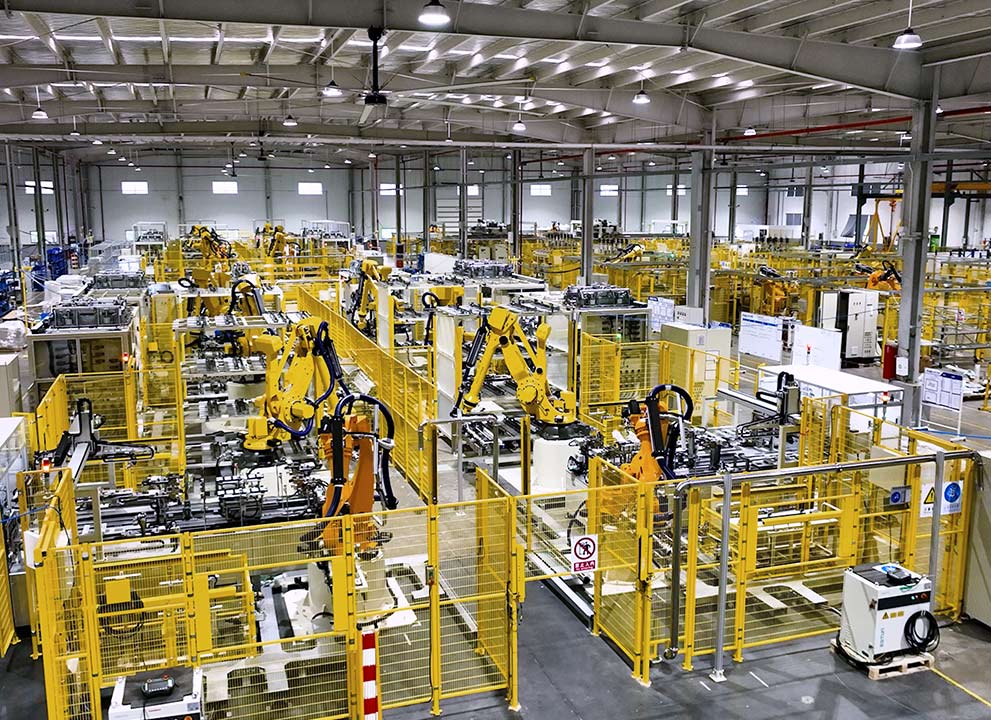
This is the litmus test. Ask for three real incidents, causes, fixes, and lessons learned. Vendors who share faults and fixes show competence and honesty. Vendors who only share success stories are hiding learning curves you’ll pay for.
Quick checklist to bring to a vendor pitch
Use this to pressure-test answers:- Target throughput and acceptable defect rate.- Existing process map and key tolerances.- Integration points (MES, PLCs, safety systems).- Spare parts lead times and guaranteed SLAs.- On-site FAT plan and rollback strategy.
Common traps buyers fall into
Buyers trust demos over data, accept vague warranties, and underestimate change management. Don’t be that buyer. Push for real-world test runs, named support engineers, and service contracts that mirror your production hours.
Wrap and what this gets you
Ask these questions and you’ll see vendors either step up with honest specifics or bounce with corporate fluff. That split reveals who’s ready to handle real battery manufacturing pain and who’s selling pretty slides. When your aim is a durable, serviceable system that actually lowers rejects and keeps lines running, pick a partner who answers straight—someone like FHS, whose teams lay out clear FAT records, spares plans, and on-floor support without the hype.