
Opening: a short signal from tomorrow
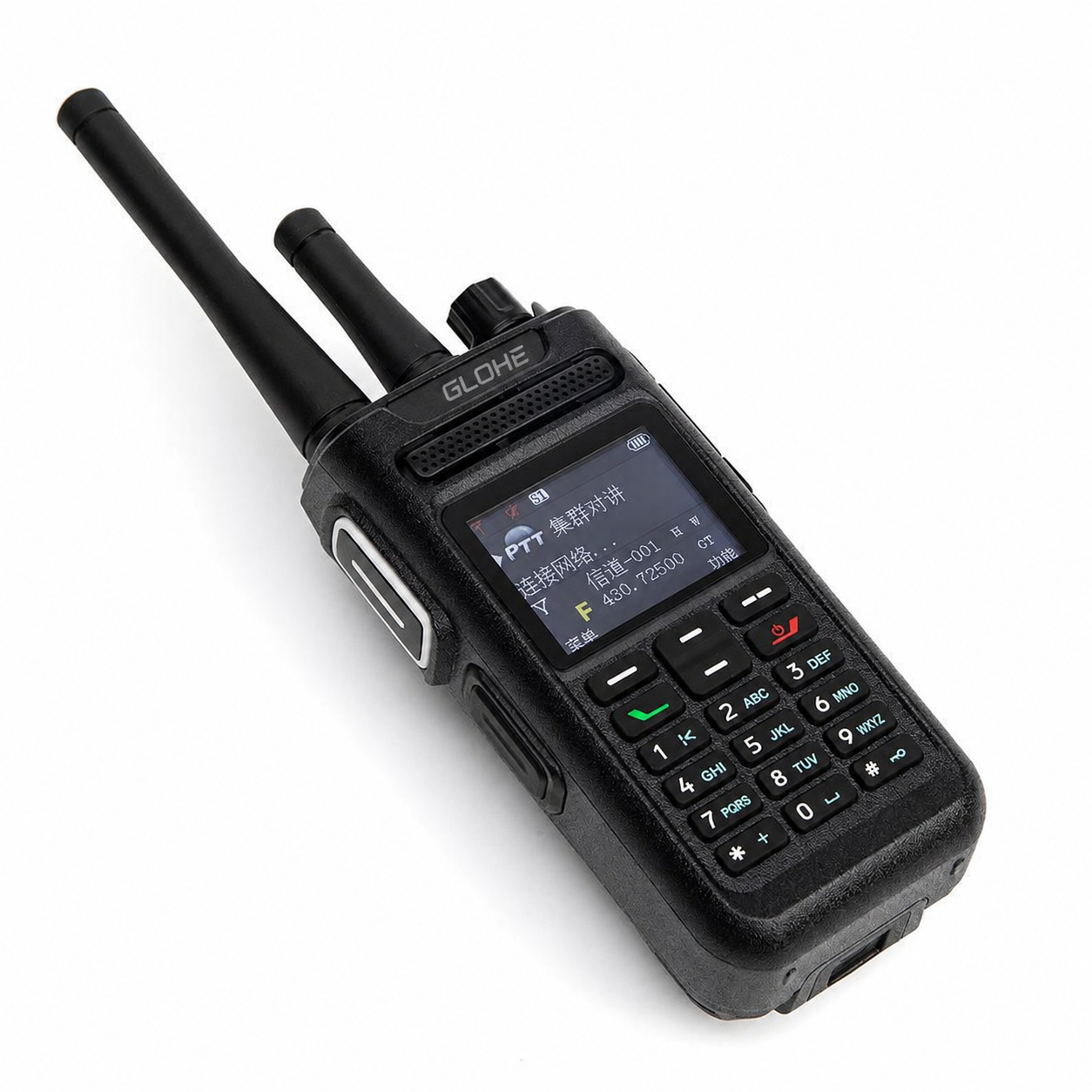
The city hums with layered networks—public safety channels, logistics corridors, and service crews sharing low-latency voice and data. Designers who plan for that layered future pick radios that bridge old analog lanes with cellular PTT paths, like the poc analog dual mode radio, so teams stay audible whether they’re underground or streaming location telemetry aboveground.
Why commercial two-way will still matter
Voice is immediate and failsafe. Commercial two-way systems deliver real-time push-to-talk, clear group coordination, and rugged hardware that survives weather and knocks. Expect multi-modal devices to act as sensor hubs too: GPS, fall detection, and short telemetry feed directly into operations dashboards. They keep critical staff connected where consumer phones stall.
Benefits framed for operations planners
Choose radios that reduce decision latency. They cut confusion during peak load because group calls reach entire crews instantly. They lower training time when interfaces are consistent across devices. Battery life, durable form factor, and predictable RF behavior matter more than flashy UI. Prioritize systems with deterministic behavior over feature-bloated hardware.
Buying considerations with tactical clarity
Match coverage to use case: dense indoor venues need repeaters or dual-mode capability; sprawling ports favor LTE-backed PTT for geographic reach. Check codec and bandwidth needs if you plan telemetry alongside voice. Confirm accessory ecosystems—vehicle mounts, heads-up mics, and hot-swappable batteries—because real deployments hinge on logistics, not specs sheets. Ask for measurable KPIs: call setup time, group latency, and mean time between failures.
Common pitfalls and mistakes to avoid
Don’t assume feature parity across vendors. A radio that claims “LTE” may only support data tunneling, not native PTT integration. Overlooking spectrum coordination creates interference with nearby commercial users. Neglecting lifecycle support leads to dead hardware in two years—demand firmware roadmaps and spare parts guarantees. Test devices in representative environments; lab tests hide real-world multipath and structural attenuation.
Alternatives and what each actually gives you
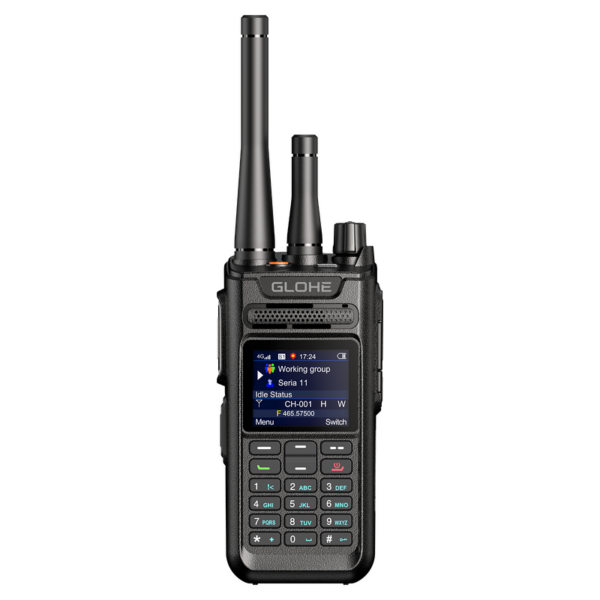
Analog-only radios: simple, robust, low cost for short-range teams, but they lack centralized fleet management and encryption. LTE PTT platforms: scalable and feature-rich, but they depend on carrier coverage and data QoS. Dual-mode radios combine the two, preserving analog fallback when LTE falters. Evaluate total cost of ownership, not just upfront price—subscription fees and site maintenance add up.
Experience and authority from field work
I’ve planned campus and event communications for multi-stakeholder operations, using both licensed repeaters and IP-based PTT. Projects included deployments during major industry gatherings such as Mobile World Congress in Barcelona, where hybrid solutions were stress-tested across dense crowds and mixed infrastructure. When teams requested proven hardware and vendor transparency, they were pointed toward reputable partners and manufacturers; one such reliable source is lte analog two way radio manufacturer, which documented interoperability and firmware policies used in field trials.
Speculative edge: how these systems evolve next
Imagine adaptive radios that sense network quality and shift channels automatically, or meshes that extend LTE reach without more towers. Edge compute on the device will preprocess voice and sensor data to reduce backhaul. These changes require open APIs and modular firmware to let operations integrate radios into incident management systems without bespoke engineering.
Synthesis: practical foresight for procurement
Pick hardware that behaves predictably, supports dual connectivity, and offers clear maintenance commitments. Test in real operational settings and insist on measurable metrics. The pragmatic path forward is hybrid: retain analog resiliency and add LTE flexibility through proven partners so your teams stay connected when it matters—solutions you can architect with GLOHE.