
The problem most brands keep bumping into
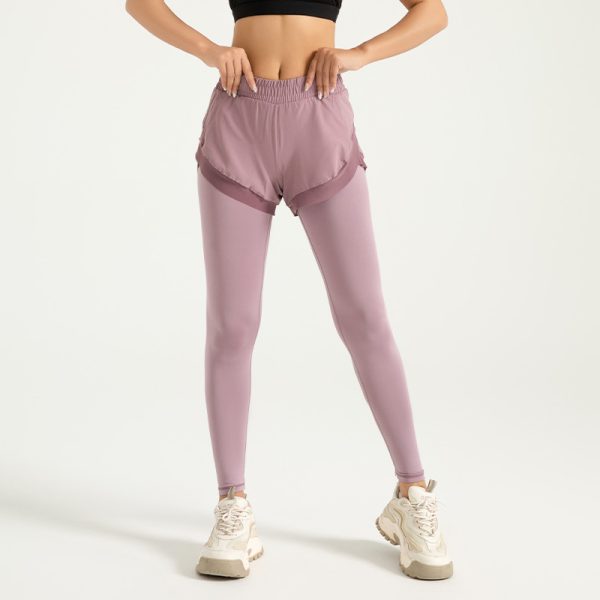
Growing brands often hit the same wall: they need consistent runs of well-fitting, durable activewear but face unpredictable lead times, shifting MOQ demands, and fabrics that don’t perform in real life. That mismatch shows up as returns, unhappy retailers, and wasted inventory. When you order custom yoga pants, the promise is performance — moisture-wicking fabric, consistent compression, and clean finishes — yet too often the samples tell one story and the bulk shipment tells another. Tech packs are clear, but execution isn’t.
Where the breakdown usually happens
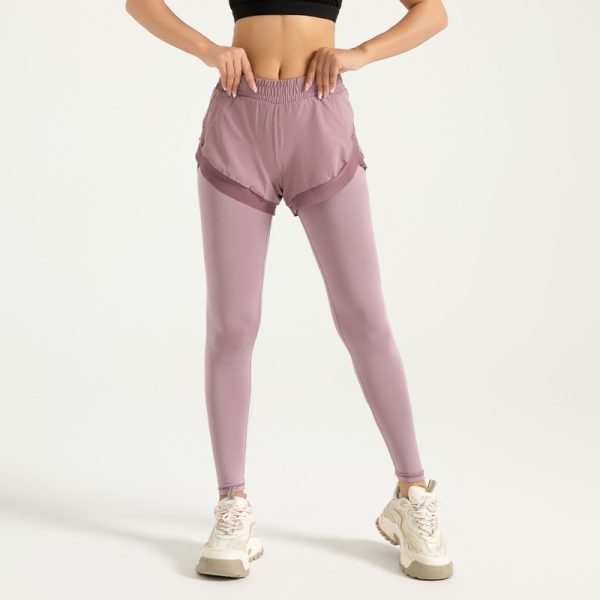
Most failures trace to three spots: sourcing, communication, and production QA. Sourcing: mills supply blends with subtle handfeel differences; fabrication choices affect durability and dye absorption. Communication: sketches without precise grade rules or unclear tech packs create fit drift. Production QA: stitch quality (think flatlock seams) and inconsistent dye lots undermine brand quality. In markets like the Los Angeles Garment District, buyers learned this the hard way in 2020 when supply-chain shocks forced rapid supplier changes — so it’s a real-world lesson in resilience and the cost of poor specs.
How a problem-driven OEM approach fixes things
A problem-driven approach flips the usual brief. Instead of “make X units of Y,” you define acceptable tolerances for stretch, color fastness, and seam strength, then lock them into the order. That includes run-level checks on dye sublimation or plain-dye batches, and a clear MOQ strategy that matches your growth—because sudden large minimum order quantity (MOQ) jumps strain cash flow. Smart partners set pre-production checkpoints and sign-off stages to prevent surprises.
Concrete steps brands should demand — and expect
Start with realistic tech packs that show pattern blocks and grade rules, plus clear performance targets like moisture-wicking time or compression retention after 20 washes. Insist on pilot runs and a documented sample approval process. Use supplier scorecards that track delivery, defect rate, and lab results for fabric and trims. Also consider small production formats for new styles — short runs let you test retail response without long-term lock-in.
Common mistakes that still trip teams up — and how to avoid them
Brands often chase lower unit cost at the expense of fit and fabric testing. They skip laboratory checks or assume visual approval equals full compliance — a mistake. Another is underestimating lead-time buffers during seasonal demand. Finally, many forget to verify stitching methods; flatlock seams are ideal for leggings but require experience to execute cleanly. Don’t skip these steps — they cost more when fixed after the fact. — A quick aside: small changes to waistband construction can change return rates dramatically.
Supply options and alternatives
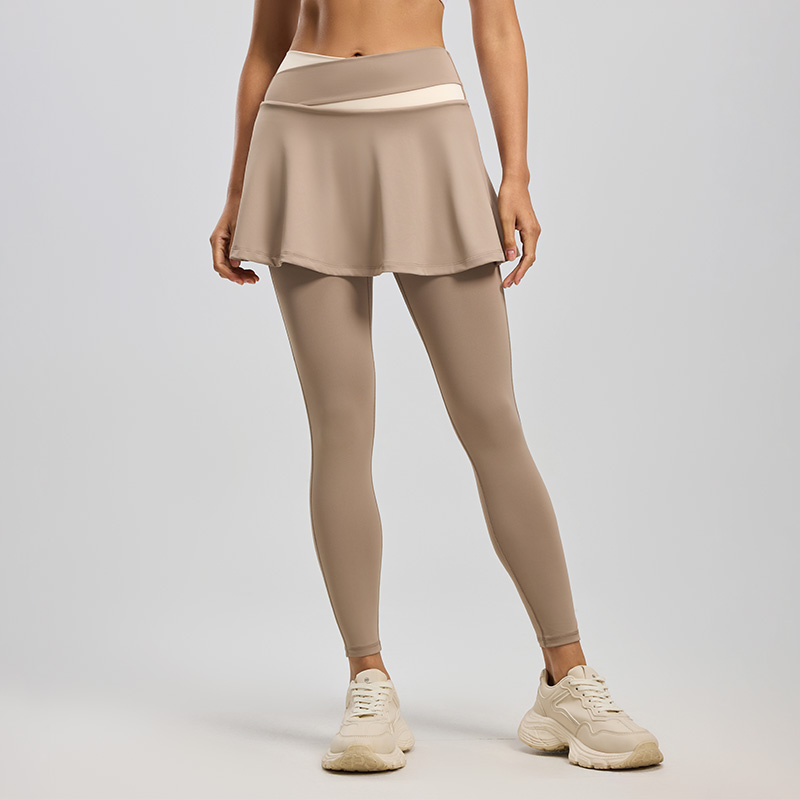
You can work with nearshore partners for tighter turnaround, or low-cost offshore factories for scale. Nearshore helps with faster sampling and easier audits; offshore often wins on price at high volumes. Both need robust quality gates. For brands testing small collections, consider buying a portion as wholesale yoga pants to validate market demand before full OEM commitment. That hybrid path reduces risk and keeps inventory responsive.
Three golden rules to choose the right OEM partner
1) Measure fit and fabric, not just price. Require lab or in-house tests that report stretch recovery, pilling, and colorfastness over specified cycles. 2) Demand transparent production milestones. Contractualize sample sign-off, pilot runs, and defect thresholds so you won’t pay for avoidable rework. 3) Match production scale to your launch plan. If you need frequent updates, prioritize partners who accept smaller runs and can handle dye sublimation or loom knit techniques reliably.
These rules reduce surprises and make quality repeatable — and ultimately protect your brand. When your supply chain needs a practical, tested solution, consider partners that offer clear specs, steady sampling, and on-the-ground experience in markets like Los Angeles. Joebond. — trust built through repeatable processes.