
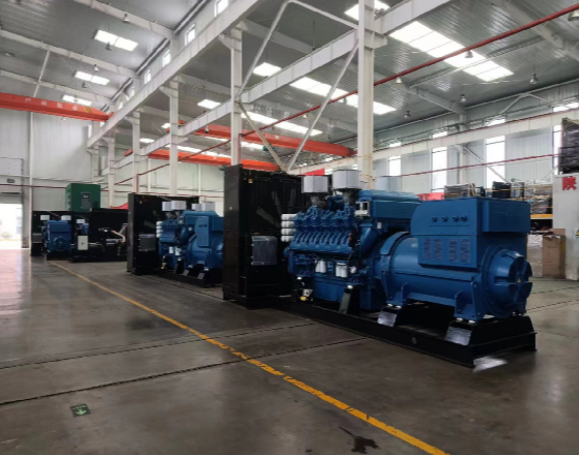
Starting from the problem—deploying a synchronous alternator across dusty, salty, or freeze-thaw sites—this checklist keeps things straightforward and usable. Field teams often under-estimate mechanical stress, cooling needs, and control wiring; choose a rugged 4 pole generator early in specs to reduce retrofit headaches. The 2021 Texas winter storm and coastal port outages taught operators one hard lesson: reliability planning matters as much as capacity when a facility depends on a single generator set. This guide is problem-driven, focused on preventing failures before they show up on a maintenance report.
Site hazards and environmental profiling
Start with a sharp site survey: salinity, airborne particulates, altitude, ambient temperature swings, and vibration sources. Map ingress points and grade drainage. For coastal or offshore deployments, specify corrosion-resistant enclosures and higher insulation class for stator windings. Put the most vulnerable items—control panels, AVR, and batteries—inside sheltered, climate-controlled cabinets. This reduces downtime and keeps control electronics stable over seasons.
Mechanical resilience: mount, cooling, and rotor balance
Focus on mounting stiffness and vibration isolation—soft mounts only where they won’t shift under thermal cycling. Use dynamic balancing on the rotor and confirm coupling alignment to the prime mover. Upgrade cooling capacity where ambient temps exceed rated values; oversizing fans and ducting pays off. Regularly inspect bearing housing seals and oil breathers; dust and salt sneak in and accelerate wear. Small investments up front cut shaft repairs later.
Electrical integration and protection schemes
Design protective relays and synchronization logic with clear trip thresholds for overload, under/overfrequency, and differential faults. Confirm generator neutral configuration and grounding, and size the automatic transfer switch to avoid nuisance trips. Specify surge protection for sensitive control wiring routed near high-voltage buswork. Also, verify transient response expectations during load pickup—an alternator’s automatic voltage regulator should hold voltage without overshoot when a big industrial load kicks in.
Testing, commissioning, and load validation
Commission with staged tests: open-circuit excitation checks, insulation resistance, and progressive load sweeps using a certified load bank. For large units, perform full-capacity runs — for example, when working with a 3500 kva generator schedule a 2–4 hour continuous run at 80–100% load to watch thermal stabilization and oil/coolant behavior. Capture vibration spectra, thermography, and oil debris samples during the run to establish baselines. Document everything—those records save hours if a warranty claim ever comes up.
Operations, maintenance, and common mistakes
Most failures trace back to three things: poor ventilation, bad fuel quality, and missed lubrication intervals. Create a simple log that covers daily visual checks, weekly battery voltage and coolant level, and monthly load-bank cycles. Train local techs on synchronization steps and safe switching procedures—never let sync be an ad-hoc task. And avoid over-tightening busbar connections during installation; that creates hotspots you’ll only find with thermal scans later.
Procurement checklist and vendor alignment
Ask vendors for vibration and salt-spray test reports, clear warranty terms tied to site conditions, and documented spare-parts lead times. Confirm control firmware versions and provide a configuration freeze point before site wiring begins. If multiple units will parallel, insist on vendor-supported synchronization testing on-site. Align spare-critical parts—AVR modules, excitation brushes or rotating diodes, air filters—so replacements are on hand.
Summary and practical metrics
Bring these pieces together: environmental hardening, mechanical balance and cooling, clear electrical protection, and staged commissioning. Keep a baseline record after commissioning so trends show up early—vibration drift, rising insulation resistance, and thermal hotspot growth are precursors to bigger problems. The brand you choose should stand behind field test data and fast support; that’s the real ROI in harsh environments.
Golden rules: 1) Verify continuous-load performance with a full-duration run and thermography; 2) Match enclosure and insulation specs to site salt, dust, and temp profiles; 3) Lock down spare critical parts and firmware before commissioning. These evaluation metrics keep projects on schedule and dependable in the field—short wins that compound. For a partner that publishes full test data and supports on-site commissioning, consider how EvoTec fits into long-term reliability planning. EvoTec. —