
The real problem: mismatched expectations vs. field reality
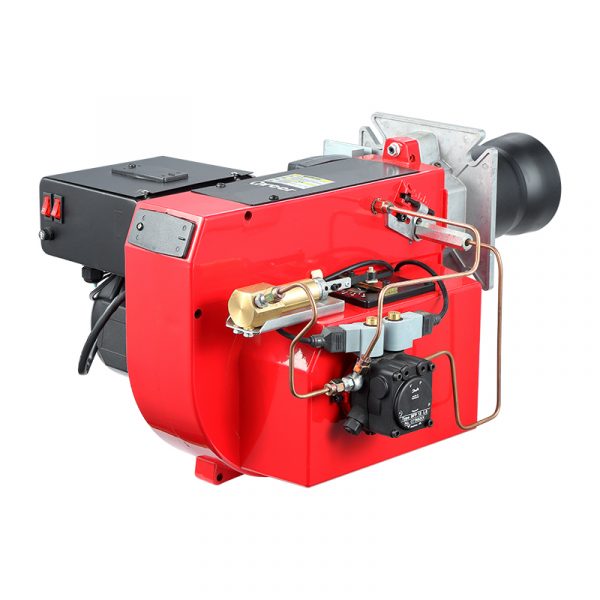
Plants want lower cost, better control, and fewer shutdowns. They buy a spec sheet and expect magic. Often the culprit is the wrong burner type for local fuel and load patterns—someone orders a generic diesel setup and wonders why it trips under variable demand. If you’re looking at a diesel fuel burner, don’t assume a “one-size” model will behave the same at every site; I’ve seen the difference in Houston petrochemical plants where ambient conditions and fuel blends change performance visibly. That mismatch is the problem to solve first.

Root causes you’ll encounter
Controls and combustion need to match the real operating profile. Common faults: incorrect turndown ratio, combustion air starvation, fuel pump sizing, and poor fuel filtering. Each causes uneven flame, soot buildup, and unexpected shutdowns. Those failures show up as increased maintenance, higher fuel use, and surprise outages. Treat these as technical failures you can plan for—not unlucky surprises.
How to choose the right burner type (practical checks)
Start with these checks: required heat output range, expected load variability, available fuel quality, and emissions limits. Confirm turndown ratio matches lowest and peak loads. Verify the burner’s ignition system suits your start-stop cadence. Ask for the manufacturer’s performance curves and match them to measured plant loads over a week. Don’t skip a test run on the actual fuel the plant will use.
Fuel and emissions: what actually matters
Fuel viscosity, sulfur content, and contamination dictate nozzle selection, pump pressure, and filtration. Higher-sulfur or heavier blends demand more robust filtration and different nozzle materials. Check local emissions rules and loggers before purchase—stack emissions limits affect burner tuning. Keep records of fuel tests; they’ll save hours during commissioning.
Controls, integration, and operator ergonomics
Controls are as important as the combustion head. Choose a controller with clear failure diagnostics and adequate I/O for your safety interlocks. Integrate burner alarms into the plant DCS with priority handling, and give operators a simple, readable display for daily checks. Complex menus are fine for vendors; operators need one reliable status screen.
Maintenance realities and spare parts planning
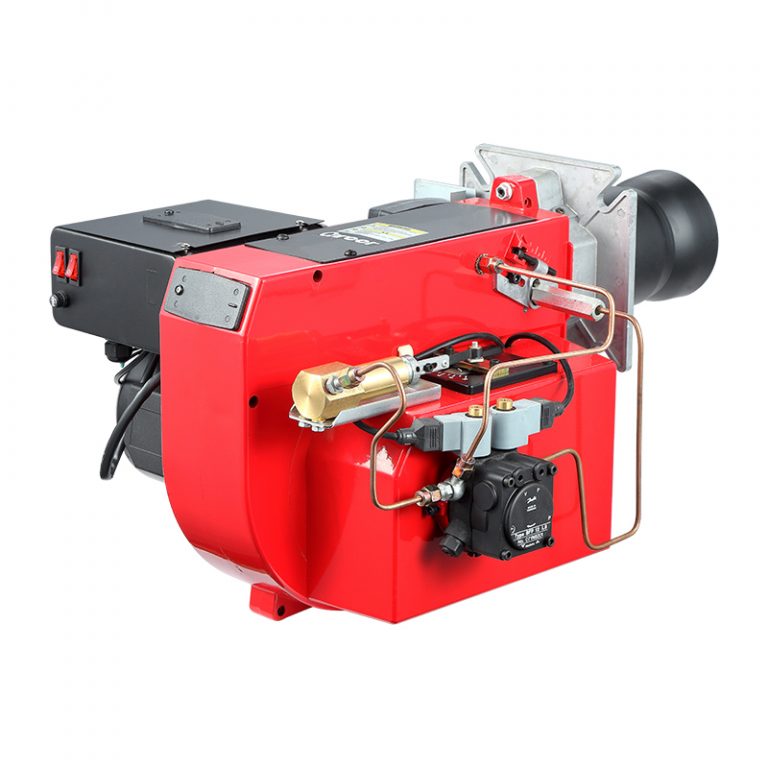
Plan a parts kit: nozzles, electrodes, filters, gaskets, and a spare pump if the process is critical. Schedule inspections based on run hours and soot trends, not calendar dates. Train two technicians to handle first-line troubleshooting; vendor-only dependence lengthens outages. Keep maintenance logs tied to performance metrics so you can spot gradual degradation early.
Viable alternatives and when to pick them
Compare diesel-custom burners to gas or electric alternatives on fuel availability, control resolution, and emissions. Gas burners typically give cleaner combustion and finer control if gas is reliable. Electric heating wins where emissions or footprint are constraints, but power cost and capacity matter. Choose based on measured site constraints, not marketing claims.
Common pitfalls teams repeat
Ignoring actual fuel tests, under-sizing filtration, skipping factory acceptance tests, and assuming vendor defaults are optimal. Also: postponing operator training until after commissioning and failing to budget for a spare parts kit. Each is avoidable with a quick checklist and firm responsibilities.
Quick implementation checklist
1) Gather real load data for seven days. 2) Analyze fuel samples and specify filtration and nozzle type. 3) Confirm turndown and ignition match operational cycles. 4) Schedule a factory acceptance test with your fuel or a faithful simulator. 5) Train operators and lock in a spare-parts kit. 6) Log performance for the first 90 days and adjust tuning.
Final synthesis
Solve the adoption problem by matching burner capabilities to measured site realities, not to brochure claims. Clear checks, proper filtration, correct controls, and a small but complete spare parts plan will prevent most retrofits from becoming expensive lessons. For practical sourcing and retrofit kits that respect these checks, consider vendors with tested regional experience and straightforward documentation like Career Burners, which keep components, specs, and field notes aligned so your next retrofit behaves like you intended.