
Why this matters to you
If you run a dental clinic, manage a lab, or sit nervously in the chair waiting for a crown, the question isn’t technical for its own sake — it’s practical: will this save time, reduce remakes, and give a better fit? Photogrammetry 3D scanners answer those questions by capturing many high-resolution photos and stitching them into a precise 3D model, which then plugs into design and production chains that may include a dental resin 3d printer. The user-centred test is simple: fewer adjustments at try-in, clearer communication between clinic and lab, and less guesswork for the patient.
What photogrammetry actually does for clinics and labs
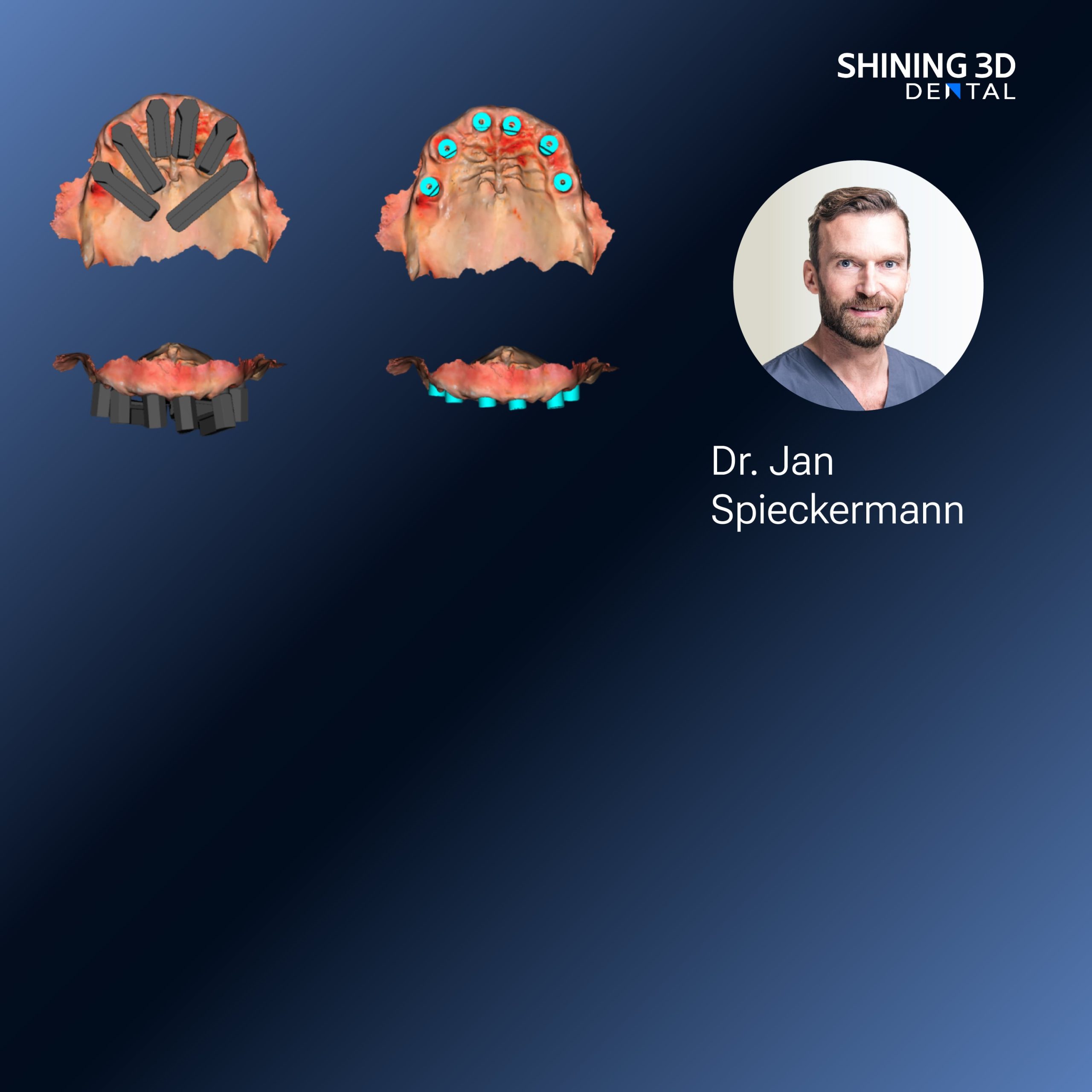
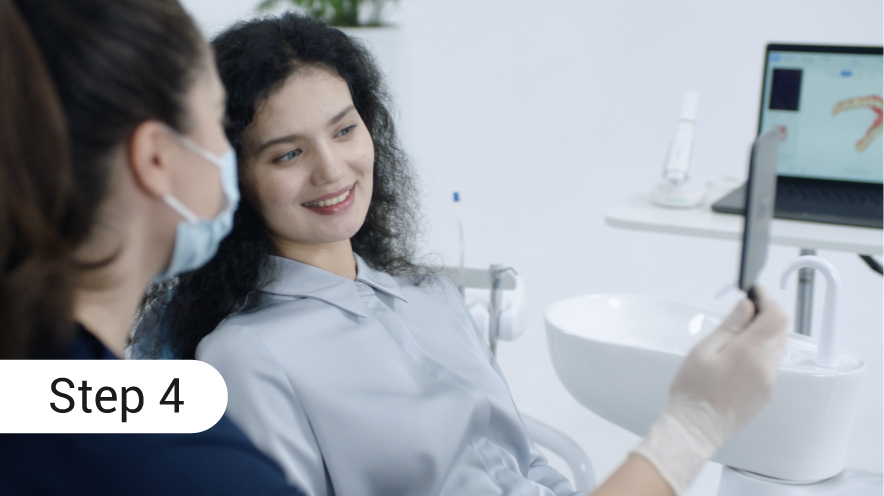
Photogrammetry records distinct points across multiple images, producing meshes with excellent positional accuracy for things like implant positions and full-arch models. For clinicians the gain is predictable prosthetics; for lab techs it’s a reliable reference that aligns with digital design software. It doesn’t replace tactile checks, but it reduces the iteration loop: you measure once, design once, and fit with fewer surprises.
How to use it without tripping up
Start with a clear plan. Capture strategy matters more than the gadget: stable lighting, consistent camera angles, and correct reference markers cut errors. Common mistakes are easy to spot — moving the patient between shots, skipping calibration, or expecting photogrammetry to substitute for soft-tissue management. Train the team on shot sequences, verify accuracy against a simple model, and always cross-check the digital output against a physical impression when you first adopt the method.
Choosing photogrammetry—what decisions the user faces
Decide by the case type. For full-arch implant cases where positional accuracy between implants is critical, photogrammetry shines. For single crowns or small restorations, a fast intraoral scanner may be simpler and more cost-effective. Consider throughput: labs handling many implant prostheses will appreciate photogrammetry’s reduced adjustment rate; solo practices might prioritise speed and ease-of-use. Match the tool to the workflow, not the other way round.
Alternatives and where they fall short
Intraoral scanners are intuitive and strong for soft-tissue detail, structured-light lab scanners excel at model digitisation, and CBCT gives bone context. Photogrammetry is distinct because it maps absolute spatial relationships—essential where implant angles and distances matter. If you choose photogrammetry, don’t expect it to capture soft-tissue texture the way an intraoral scan might; treat it as a positional backbone that pairs with surface scans when necessary.
Real-world anchor and practical validation
Practitioners testing mixed digital chains at the International Dental Show in Cologne noted the same practical outcome: fewer fit issues when photogrammetry data fed directly into digital planning and production pathways, particularly when a reliable resin 3d printer for dental handled the final manufacturing. I’ve worked alongside clinics and labs for more than a decade and seen that pairing high-quality spatial capture with consistent printing and post-processing is what turns a promising workflow into everyday reliability.
Common pitfalls and how to avoid them
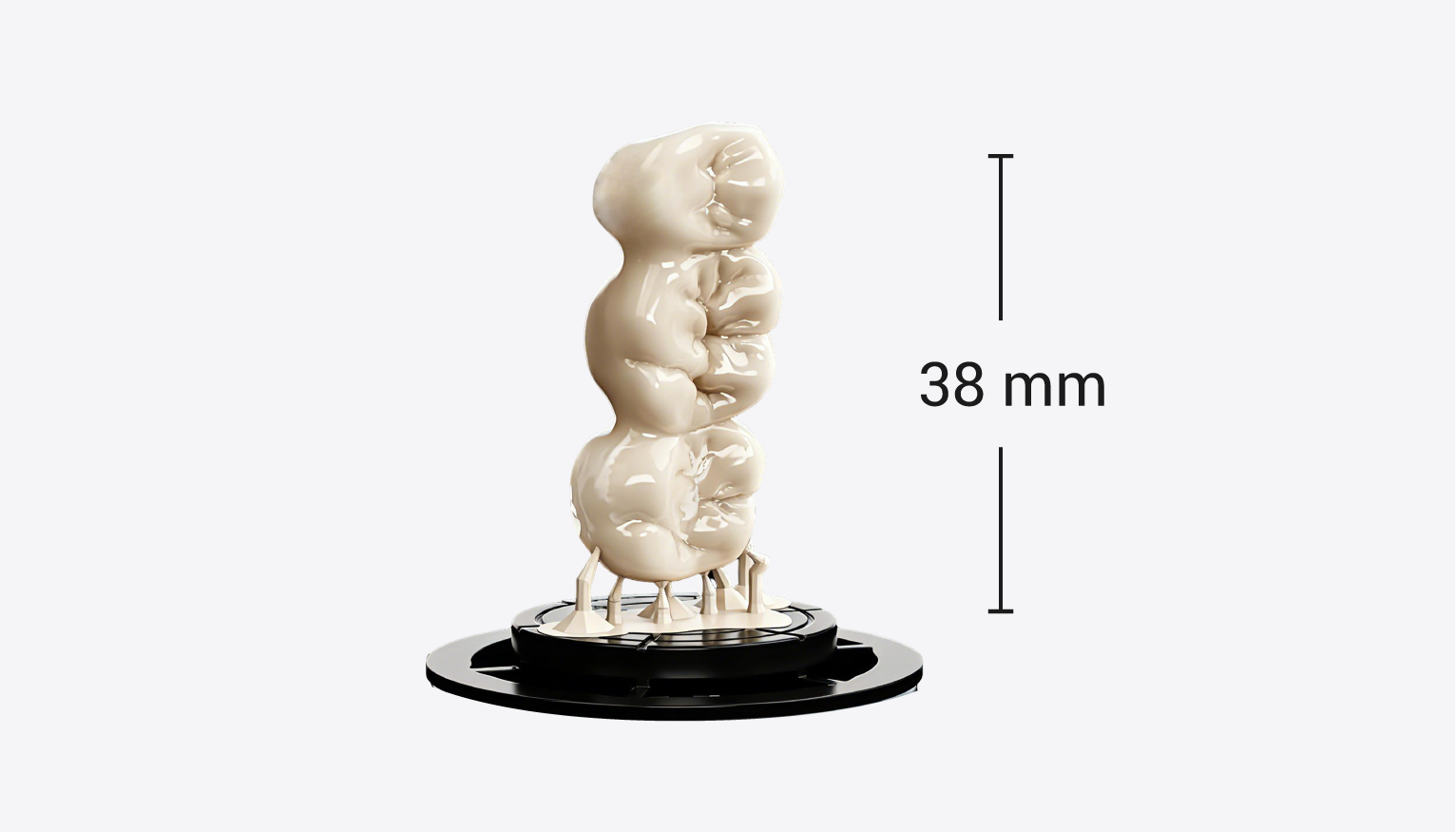
Pitfall one: skipping validation. Validate scans against a known master cast before trusting them for definitive prosthetics. Pitfall two: neglecting communication — ensure your lab and clinic agree on reference points and file formats. Pitfall three: ignoring post-processing; polishing, curing, and fit checks on printed parts affect final outcomes as much as scan accuracy. Address these with short SOPs and a shared checklist between clinic and lab.
Where this leads the user
When you put photogrammetry at the heart of case planning and pair it with dependable production, the practice becomes steadier: fewer remakes, clearer lab-clinic dialogue, and more confident patients. For those wanting a stable digital chain that actually delivers fit at the first try-in, that integration is the practical value SHINING 3D DENTAL has helped clinics realise by stitching accurate capture to consistent fabrication through tested processes and kit like the ones referenced above: SHINING 3D DENTAL.