
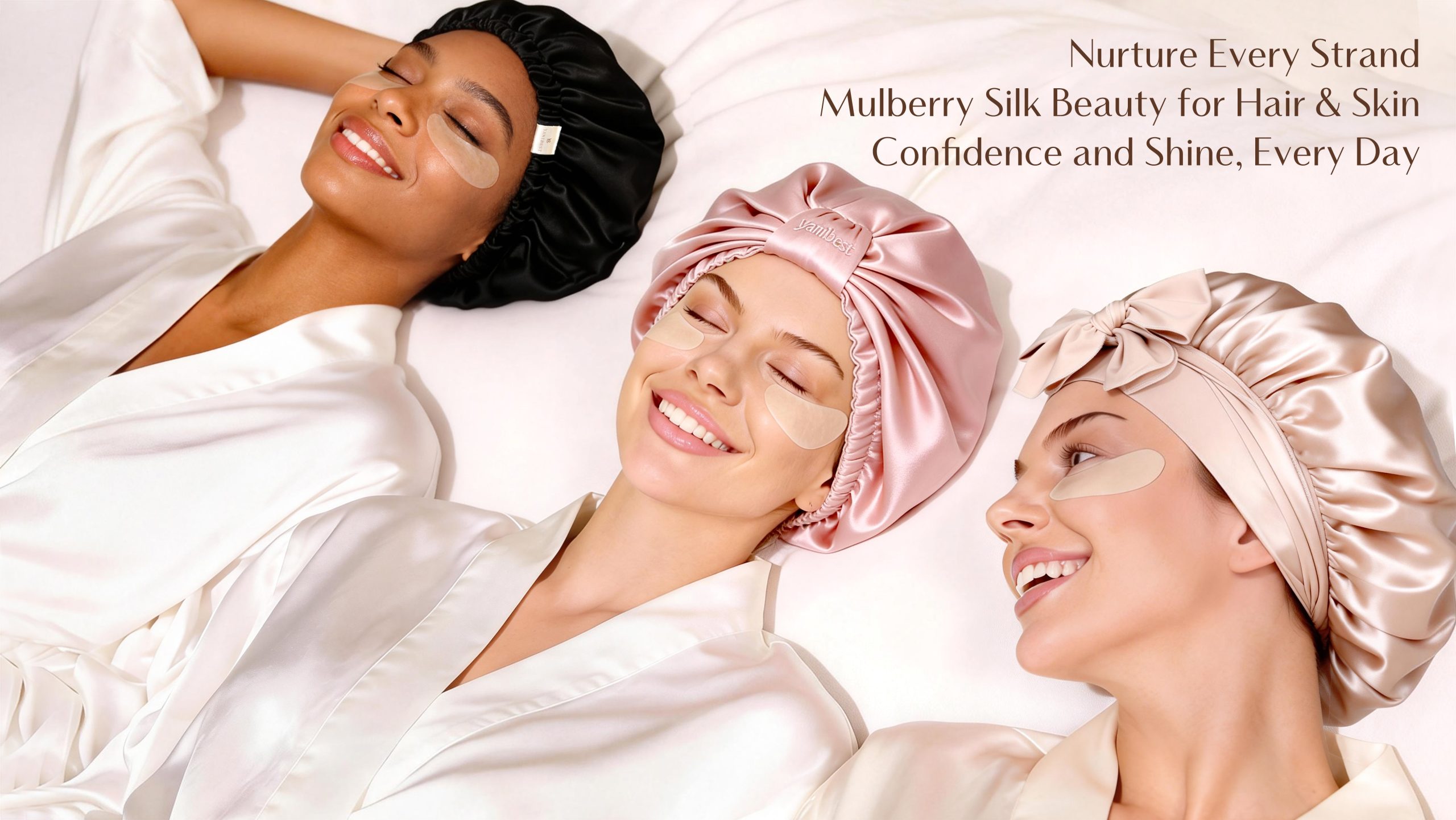
Problem: Your hair’s waking up frizzy and you’re over it
Look, you grab a cheap bonnet, sleep, then wake to splayed-out curls that look trash. That’s the problem — friction, wrong fit, and garbage fabric wrecking your definition and moisture. If you’re trying heatless curls but your overnight setup’s weak, the whole point gets tossed. Fix the bonnet and the rest follows.

What a proper silk bonnet actually does
Silk lowers friction, helps retain oils, and keeps curl clumps intact. That’s not fluff — it’s literally how protein and sebum behave on lower-friction surfaces. Used right, silk preserves curl pattern, keeps protective styles from unraveling, and reduces breakage from tossing and turning. I’ve tried lots of fabrics; silk’s the one that consistently gives better morning styling with less effort.
Real-world check: what pros lean on
Seen it live: backstage at LA Fashion Week, stylists favored soft-lined bonnets and tools that avoid heat while prepping models’ waves — they paired those looks with a heatless curls headband for controlled, bouncy results. That sort of field work shows what actually holds up under fast turnarounds and different hair densities, not just pretty product shots.
How to choose: the must-have features
Pick for fit first. If it’s too tight, edges get stressed; too loose, hair slides out. Look for a wide, adjustable band or a tie-back. Fabric matters — mulberry silk or high-grade charmeuse does the job; cheap satin feels slick but wears faster and pills, which brings friction back. Check seams and breathability; a well-stitched inner cap with a soft lining beats a flimsy one every time. For protective styles, roomy crowns prevent flattening braids or twists.
Common mistakes people make
Buying the smallest size to “stay on” — nope. Using a bonnet with a scratchy elastic — that’s edge damage. Washing wrong: don’t tumble-dry or use harsh detergents; they ruin silk’s slip. And thinking satin = silk — not the same for longevity or feel. Also, tossing the bonnet on over wet hair is asking for mold and shape collapse; towel-blot first.
Alternatives and quick comparisons
Satin scarves wrap tighter and give a sleeker edge look, but they need skill to knot without creasing. Pillowcases are low-effort and good for sleepers who lose bonnets, but they won’t trap styles like a bonnet does. Soft bonnet with a drawstring wins for loose curls and protective styles; silk-lined caps work if you sweat at night. Heatless curl tools are great daytime style partners, but you still need a solid bonnet for overnight preservation.
A short, usable nightly routine
Dry or damp hair slightly — not dripping. Finger-clump or loosely twist curls into sections. Slip on a roomy silk bonnet and secure it without pinching the hairline. For braids/twists, tuck ends in; for waves, give them space at the crown. Wash bonnets weekly on gentle and air-dry. Do this and mornings take way less styling time.
Wrap-up
If your nights keep wrecking your day hair, swapping to a properly fitted silk bonnet solves more than looks — it cuts damage and saves time. Keep it roomy, stitched well, and treated gentle. The right choices pair natural styling methods and tools into a system that actually works, which is why folks check options over at yanibest when they want gear that holds up without drama.