
How to make Hybrid Inverter comparisons more useful by defining requirement screening for shortlisting
A useful hybrid inverter comparison starts before anyone ranks products. Technical buyers should first define the project requirement, the intended operating context, and the information needed to remove unsuitable candidates. This prevents a feature list from becoming the decision itself. The goal is not to find the most impressive description. It is to identify which options deserve closer technical and commercial review.

Set criteria before comparing candidates
Begin with a short requirements record. State what the system is expected to do, which operating modes matter, and what the installation must accommodate. Keep the wording specific enough for a supplier to answer. For example, distinguish between a requirement for on-grid and off-grid operation, a requirement for energy management, and a general interest in either feature.
Also record constraints that can remove a candidate early. These may include available installation space, project timing, intended application, interface needs, service expectations, and the level of documentation required for approval. Do not treat an unconfirmed detail as a pass or fail. Mark it as open until the supplier provides evidence that applies to the relevant product or model.
This step improves comparison quality because every candidate is tested against the same questions. It also protects the buying team from comparing unlike information, such as a broad product-category statement against a model-specific requirement.
Review evidence by requirement
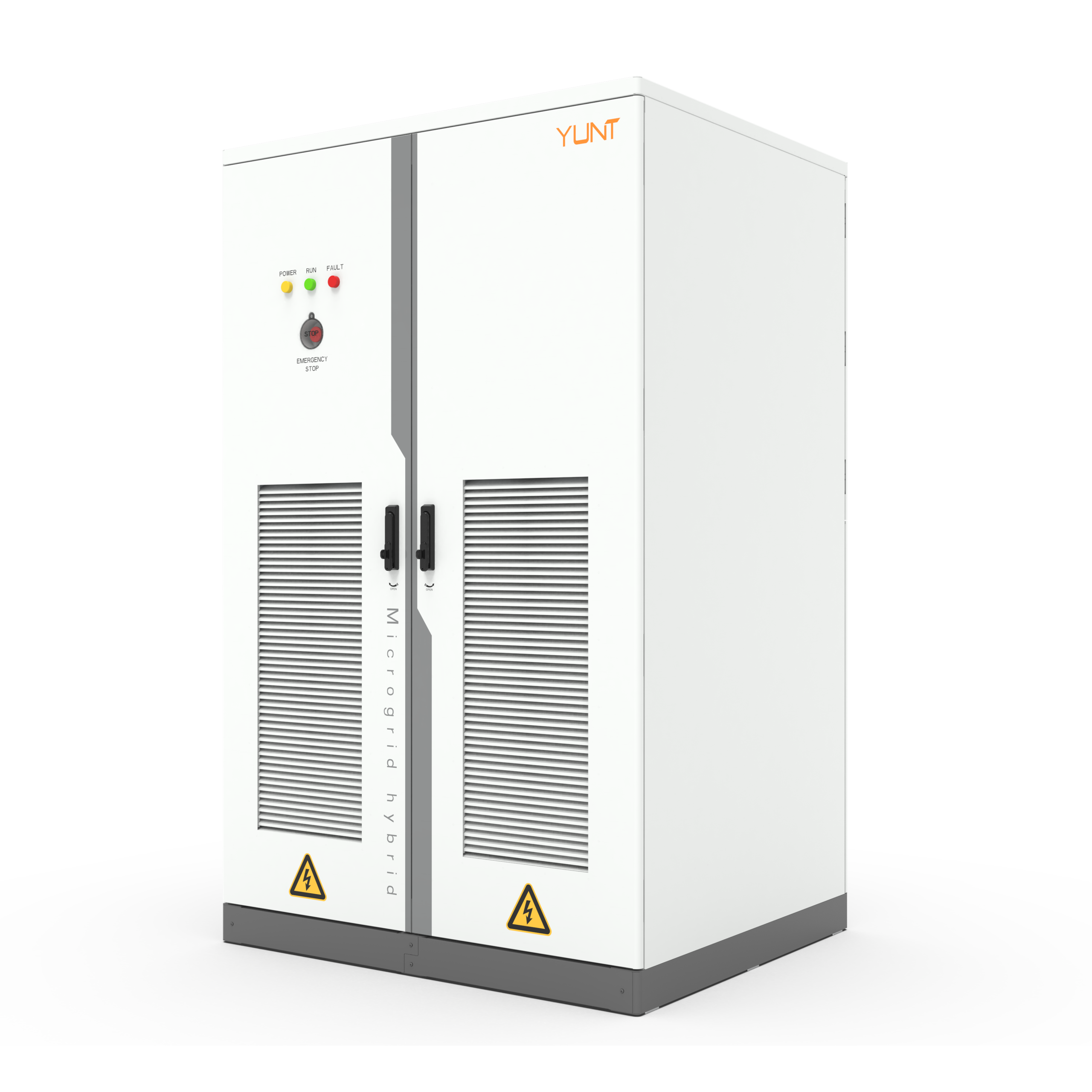
Next, create one evidence line for each requirement. Use simple labels such as confirmed, partially addressed, not stated, or not applicable. Then copy the relevant page wording into the record rather than replacing it with a stronger interpretation. The official product page describes YUNT Hybrid Inverters as supporting seamless on-grid and off-grid operation, DC-to-AC conversion, and intelligent energy management for reliable microgrid systems. Those are useful screening points, but they should remain tied to the stated product scope.
When reviewing a hybrid inverter company, separate what the page says from what your project still needs to establish. A product description may explain its intended function, while your design review may require details about a particular model, installation arrangement, control interface, or operating boundary. Those are different questions. The comparison should show the difference instead of filling gaps with assumptions.
A practical evidence record can use four columns: requirement, page evidence, interpretation allowed, and follow-up question. This structure keeps the discussion focused. It also gives engineering, procurement, and project management teams a shared record when they review the shortlist.
Keep trade-offs visible
Shortlisting is rarely a search for one universal winner. A candidate may align well with the intended operating mode but leave an important project question open. Another may appear easier to source but provide less relevant information for the current requirement. Write these trade-offs beside the requirement they affect.
Avoid scoring a product merely because its page uses broad terms such as efficient, intelligent, reliable, or high-performance. Such language can describe the supplier’s positioning, but it does not automatically answer a project-specific question. A defensible comparison uses the narrowest claim supported by the evidence and labels broader conclusions as questions for the next review.
Supplier context can also be relevant when it directly affects the procurement discussion. The official page states that YUNT integrates research and development, manufacturing, sales, and support in its own factory, without middlemen, and presents this as part of its production approach. This is a bounded company statement. It can be recorded as supplier information, but it does not by itself prove performance, suitability, or delivery for a particular project.
Create a repeatable decision record
Once the evidence has been reviewed, write a short decision record for every shortlisted candidate. Include the intended use, the requirements that appear aligned, the points that remain open, and the evidence source for each conclusion. Keep the record dated and use the same format for every supplier. Consistency makes later changes easier to trace.
Before moving to procurement, check four questions. Did the comparison use the same requirements for every candidate? Did it distinguish page-listed details from assumptions? Did it preserve unresolved technical questions? Did it avoid extending a category-level statement to every model or installation?
This method makes the shortlist easier to defend. It does not replace engineering review or supplier clarification. Instead, it gives those activities a clear starting point and reduces wasted discussion about features that are not tied to the project.
For technical buyers, the strongest comparison is therefore a requirement record, not a longer feature table. Define the use case, map each requirement to bounded evidence, keep trade-offs visible, and carry open questions into procurement. Used in that disciplined way, YUNT can be included in a fair shortlist without turning a supplier statement into a promise about every application.