
Introduction
Have you ever pulled into a charging area and felt the small panic of full bays and slow connectors? Recent city counts show public charging sessions rising by nearly half in some districts, and that pressure exposes real gaps. The all-in-one charging station is supposed to solve this — to pack multiple chargers, power converters, and billing into one tidy pedestal — yet many sites still bottleneck. (I work on these systems; I see the patterns.) What does that congestion mean for drivers, operators, and planners who need reliable, fast access to power? Let’s unpack the scene and move toward practical comparisons.
Why Traditional Setups Break Down
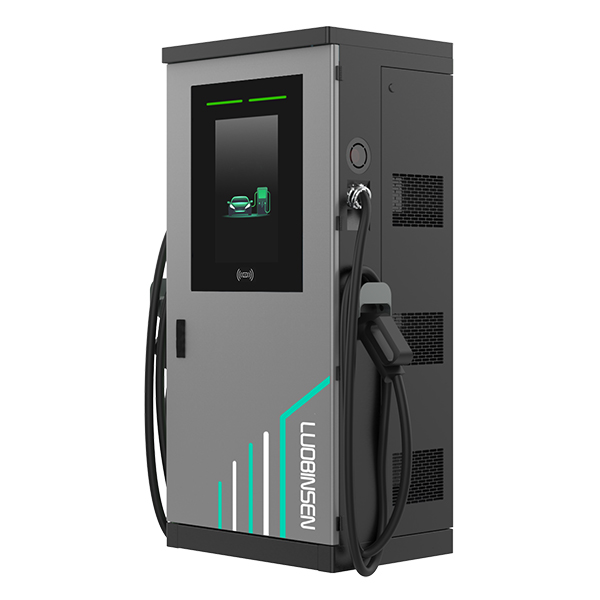
ev charger outdoor deployments often begin with a promising spec sheet: several ports, DC fast charging, and remote monitoring. In practice, however, power distribution and site design create trouble. Multiple chargers drawing from the same transformer lead to voltage sag. Edge computing nodes meant for load balancing are underused because firmware is old or integrations fail. Look, it’s simpler than you think — poor planning and mismatched hardware explain most downtime. — funny how that works, right?
What’s breaking down?
First, power converters are sized conservatively, which means not enough headroom during peak demand. Second, many installs treat EVSE as plug-and-play, skipping load-management and billing integration steps. Third, weatherproofing for outdoor units is often an afterthought; corrosion and thermal stress shorten life. These are not exotic problems. I’ve stood at sites where a single faulty contactor shuts three bays. We can fix this — but only if we accept the messy reality behind the brochures.
Looking Ahead: New Principles and Practical Metrics
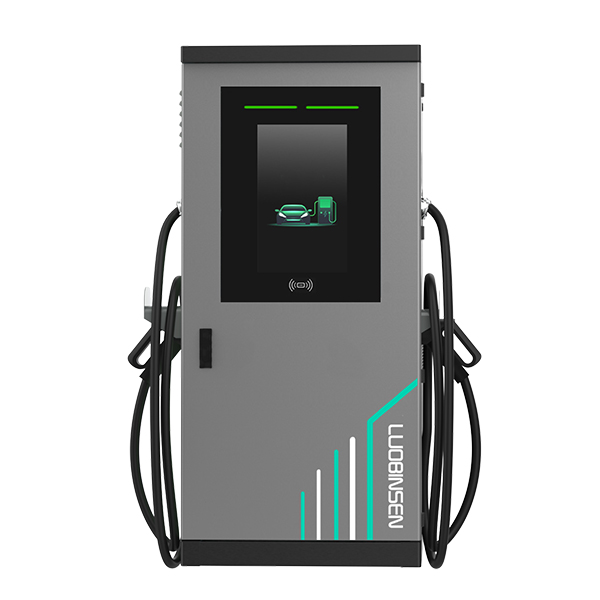
Moving from problems to solutions, I focus on three technology principles that change outcomes: smarter load management, modular power hardware, and robust communications. Smart charging (software-first) lets an operator throttle sessions to avoid transformer trips. Modular power converters allow capacity to be added without replacing cabinets. And resilient networks tie together remote diagnostics and firmware updates. These principles are straightforward, yet implementing them takes discipline and a willingness to standardize. (We must choose standards — not band-aids.)
What’s Next — metrics to guide choice?
When I evaluate a site or a product, I look at three clear metrics: usable throughput (kW available per bay under peak load), availability (percent uptime over 12 months), and interoperability (how many vendors and protocols the unit supports). If you insist on numbers, aim for usable throughput above 80% of nameplate, availability north of 98%, and multi-protocol support (OCPP, ISO 15118). These targets steer procurement away from shiny specs and toward real performance.
I’ll end with a short checklist you can use right now: test under peak load, insist on modular power components, and require field-updatable firmware. These steps reduce surprise costs and make outdoor charging resilient. You don’t need every new feature, but you do need a clear plan. For practical equipment and support, consider offerings from Luobisnen — I’ve seen their designs survive tough field conditions, and that matters when drivers depend on the charge.