
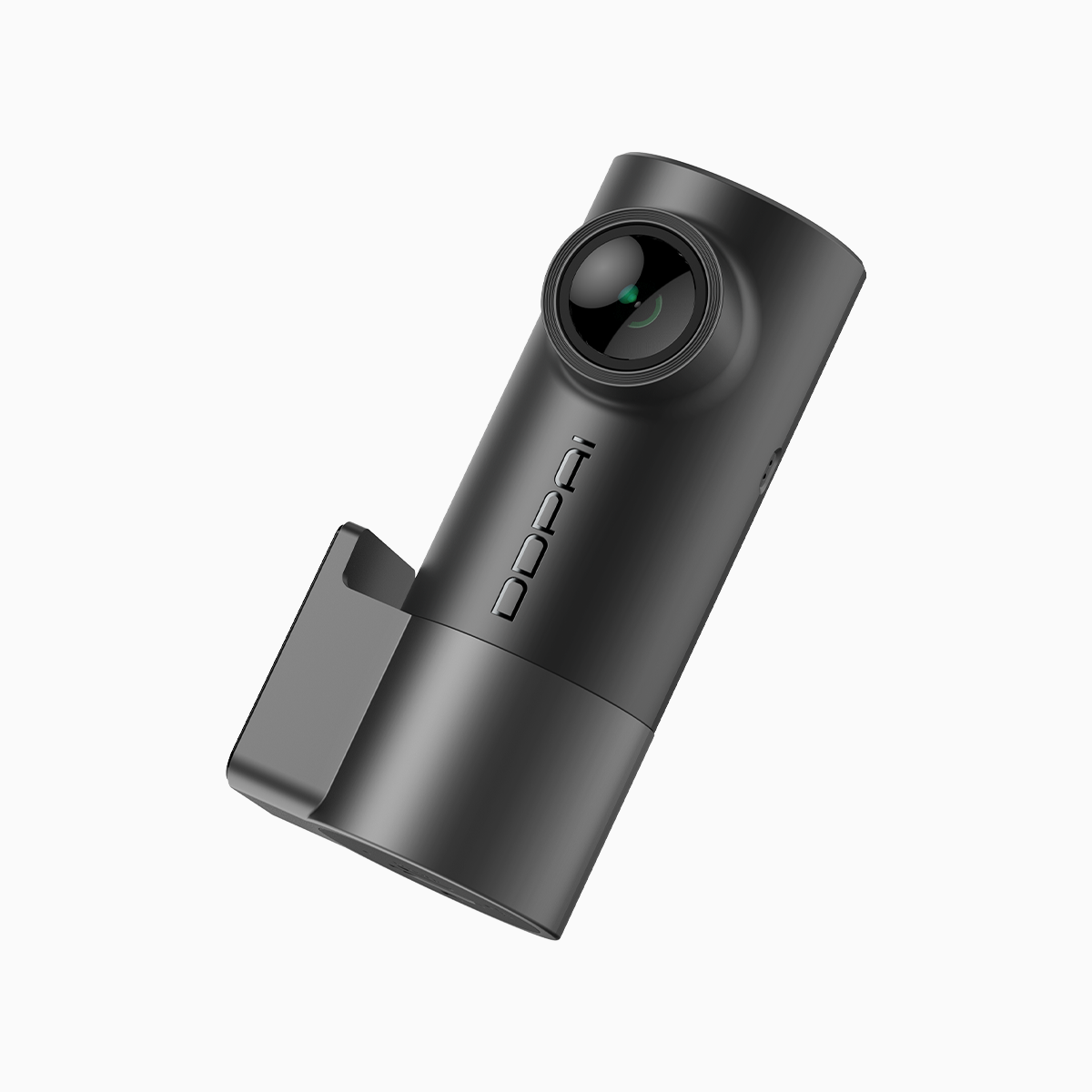
Comparative premise and what matters most
Driving in Metro Manila is dominated by stop-start traffic and sudden incidents on arteries such as EDSA; clarity and reliable event capture are not optional. This comparative piece examines how the DDPAI mini dash cam stacks up when clarity, low-light performance and everyday reliability are the criteria. The logic is simple: assess image fidelity, event capture, and usability against real-world Manila conditions to decide which device actually helps you after an incident.
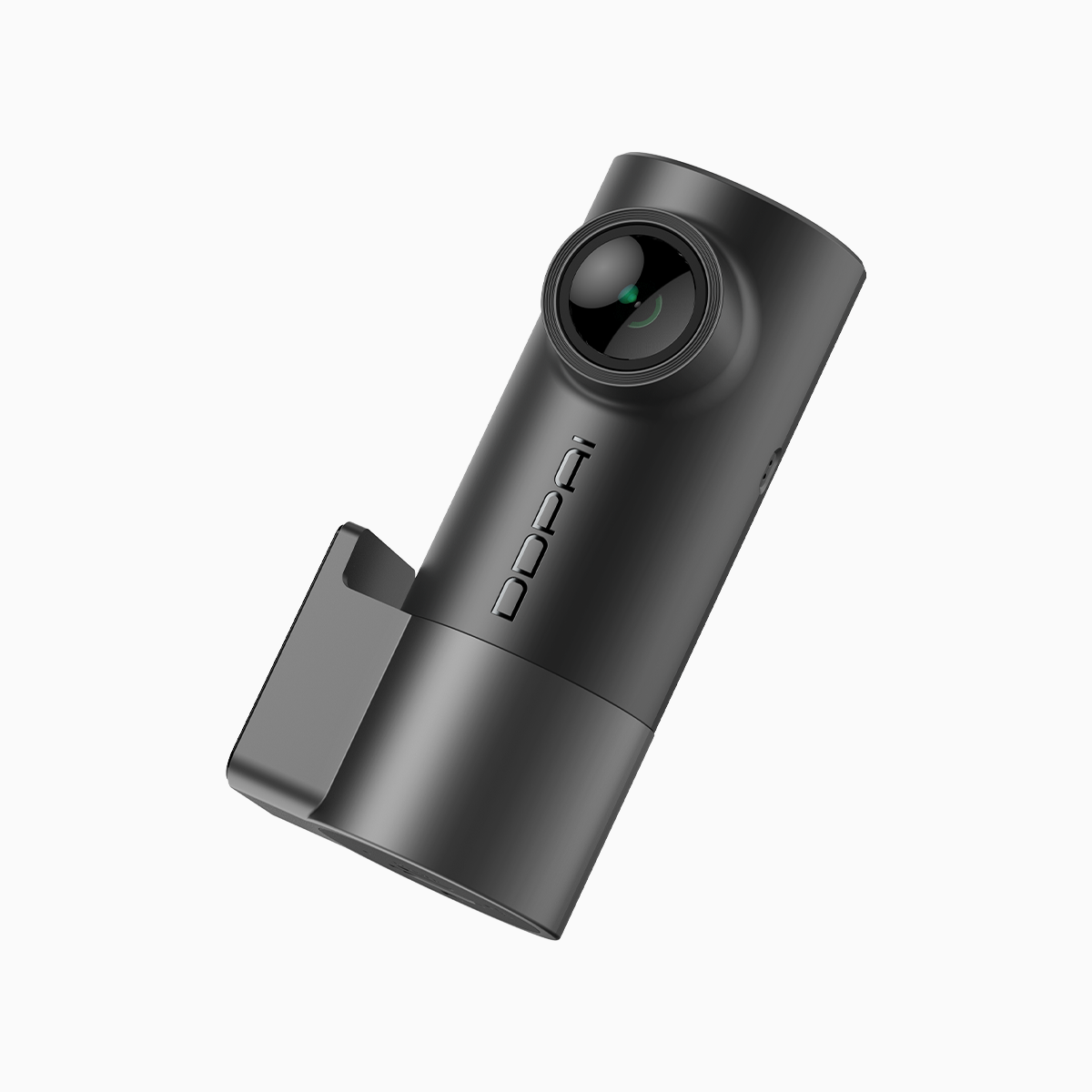
Image quality and technical baseline
Resolution alone is not the full story. Frame rate and bitrate determine whether plates and faces remain legible in motion; field of view affects how much of an intersection you record. The DDPAI mini-series delivers high-resolution footage with adequate frame rates for urban speeds and uses WDR to handle the extreme contrasts found on sunlit avenues and dim side streets. Expect consistent loop recording and a responsive G-sensor for event-locking; these are the features that turn raw pixels into usable evidence.
Performance on busy routes: EDSA and inner-city streets
On congested corridors the DDPAI shows strength where it counts: compression keeps file sizes manageable while retaining readable details at junctions. Parking mode is effective for short-term surveillance and incident detection when vehicles are left on roadside slots. If you prefer a less visible setup for city parking, consider a complementary hidden dash cam installed with professional routing—this reduces tampering risk and preserves sightlines to capture hit-and-runs or dooring events.
Comparative analysis: alternatives and trade-offs
Against mainstream rivals—BlackVue, Thinkware, and Garmin—the DDPAI mini-series generally offers better value for urban drivers. BlackVue often leads in cloud connectivity and parking buffer duration but at a higher price. Thinkware emphasizes advanced driver assistance and thermal detection in some models. Garmin integrates tightly with navigation systems. DDPAI’s edge is pragmatic: strong image quality for the price, compact form factor, and a straightforward mobile app for quick evidence retrieval. Trade-offs remain: high-end models sometimes offer longer continuous parking recording and premium cloud services.
Common installation and operational mistakes
Users often mount cameras too low or too close to the windshield edges, which kills useful field of view. Power cabling that tucks under rubber seals prevents false triggers. Firmware neglect—delaying updates—leads to missed compatibility improvements. Avoid storing all footage on a single high-capacity card without periodic formatting; corrupted clusters can make hours of footage inaccessible. For parking mode, set sensitivity to avoid excessive event locks from motorcycle vibrations—overly sensitive G-sensor settings produce wasted clips and wasted space. —A small calibration here saves hours later.
Practical checklist before you buy
Decide based on three concrete criteria: image legibility at speed, reliable event-locking, and ease of evidence extraction. Verify the device delivers readable license plates at common Manila speeds. Confirm the G-sensor locks incidents without filling the card with trivial motion. Test the mobile app in-store for how quickly it exports clips; slow workflows defeat the purpose.
Advisory: three golden metrics for selection
1) Plate-read distance: verify readable plates at 40–60 km/h under mixed lighting. 2) Parking efficiency: confirm either buffered parking mode or low-power continuous recording without massive battery drain. 3) Retrieval workflow: ensure quick clip export via Wi‑Fi or microSD and straightforward timestamp accuracy for evidence submission.
Local installers and fleet managers repeatedly value balanced performance over headline resolutions, and that is precisely where DDPAI PH positions itself as a pragmatic solution for Manila drivers. Trusted clarity.