
When daily payments lock you in
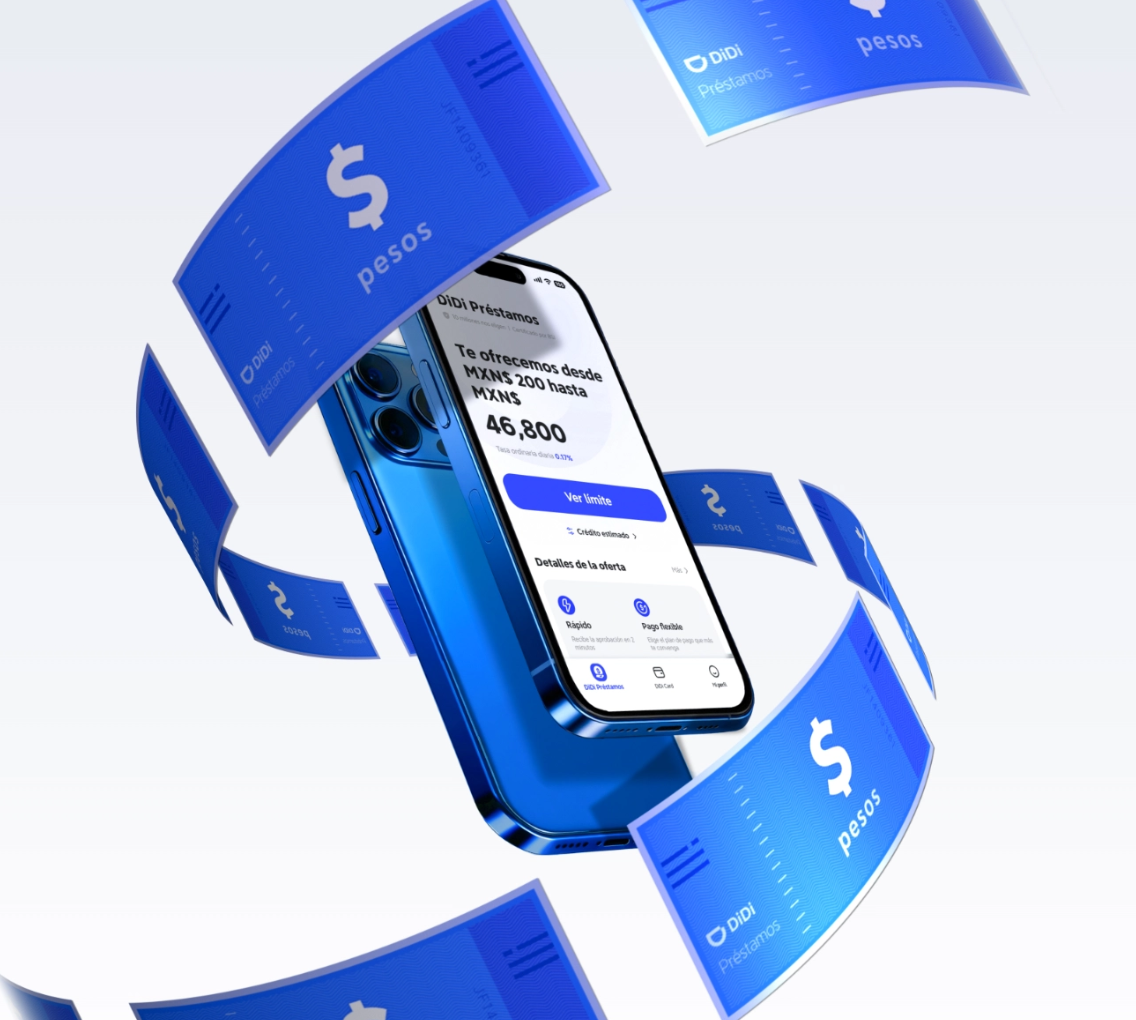
Every month the same friction returns: fixed due dates, surprise fees, a balance that feels heavier than it should. That friction is precisely what DiDi Finance targets with a different rhythm — a credit card experience tethered to how people actually spend, not how banks insist they should. Early signs of that shift live inside the didi card mobile flows: clearer installment choices, simpler billing, and payment routing that anticipates daily cash flow rather than punishing it. Small tech shifts. Big behavioral changes.
How the problem plays out on the ground
In Mexico City, drivers, couriers and urban freelancers juggle shifting income and bills. A rigid credit card cycle can mean choosing between fuel and a late fee — a real-world anchor for why flexibility matters. The old model assumes regular paychecks. It fails the gig worker. The new model offers staged installments, integrated receipts and mobile notifications that nudge, not nag. That’s where the tarjeta didi begins to feel useful rather than decorative.
What the tech actually does
Under the quiet surface: tokenization, dynamic payment routing, and on-device verification. These are industry terms with practical muscle — tokenization hides card details; dynamic routing lets payments split between wallet and credit; on-device checks reduce fraud without extra steps. The product layers a mobile app and a credit capability so users choose installments at checkout, set autopay thresholds, or convert a ride charge to a short-term plan. The result: fewer surprises, and predictable cash flow for a week that’s often anything but predictable.
User flow and the common stumbles
Most people love the idea of flexibility but trip on three things: unclear APR disclosures, buried fees, and confusing opt-ins. Fix those and adoption jumps. Opt-in clarity is crucial — show APR as a simple monthly rate, not a buried annual percentage. Show the breakdown: principal, fees, timeline. Then let the person decide. Small note — many apps drown users in notifications. Fewer, smarter alerts work better.
How it compares to the old guard and alternatives
Traditional banks offer limits and standard billing cycles. Buy-now-pay-later services give point-of-sale splits but often lack deep integration with daily apps. The DiDi approach sits between them: a familiar credit card backbone with app-level controls and ride-by-ride options. For people who want a single financial touchpoint tied to their mobility and micro-earnings, that blend reduces account fragmentation and simplifies reconciliation for daily expenses.
Three golden rules for choosing flexible credit tools
Evaluate any product against these clear metrics:
- Transparency: Fees and APR shown per purchase, in plain language.
- Control: Ability to split or convert charges in the app, and to pause or accelerate payments without penalty.
- Security & integration: Tokenization or EMV-grade protections and seamless connection to your mobile wallet or payroll flow.
Score a tool on those three and you’ll see which ones are convenience dressed as complexity — and which ones actually deliver usable flexibility.
Closing thoughts and practical value
Flexible payment design isn’t a gimmick. It’s a structural fix for everyday volatility: irregular income, last-minute expenses, short weekly cycles. For commuters, drivers and anyone paid by the gig, the difference shows up in less stress and fewer missed payments. The tech behind it reduces friction; the outcome is predictability. DiDi Finanzas slots into that gap by combining a practical mobile interface with credit features tailored to daily life. Trust builds when the math is visible and the controls are simple.
Final take: measure clarity, control, and security — then pick tools that pass all three. I’ve seen it work on the streets of Mexico City; it scales. —