
Early Signs and Root Causes
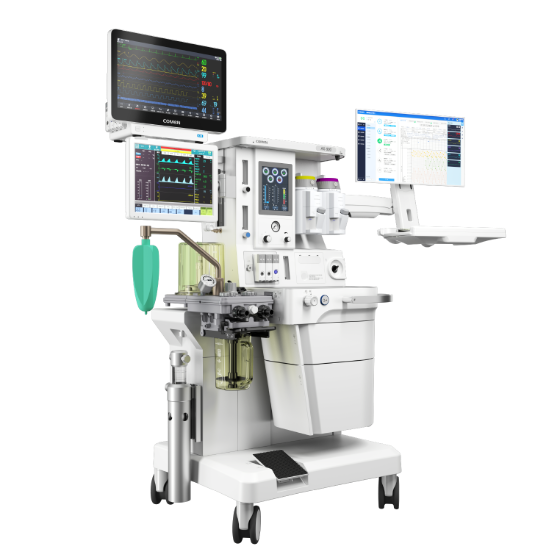
I remember one morning in July 2016 at a small private clinic in Johor Bahru when a routine maintenance check turned into a wake-up call — six of twelve breathing circuits had leaks and the vaporizer seals were brittle, so we had to act fast. I was inspecting an anesthesia machine for sale list later that week, and the picture was clear: scenario—routine check at clinic; data—50% of machines with minor-to-moderate faults discovered in under two hours; question—how many more problems hide until the next audit? That kind of data wakes you up, lah. I must say, the alarm patterns (ventilator, flowmeter, fresh gas flow readings) often tell more than a checklist — we ignored small drift in FGF and paid higher agent use later.
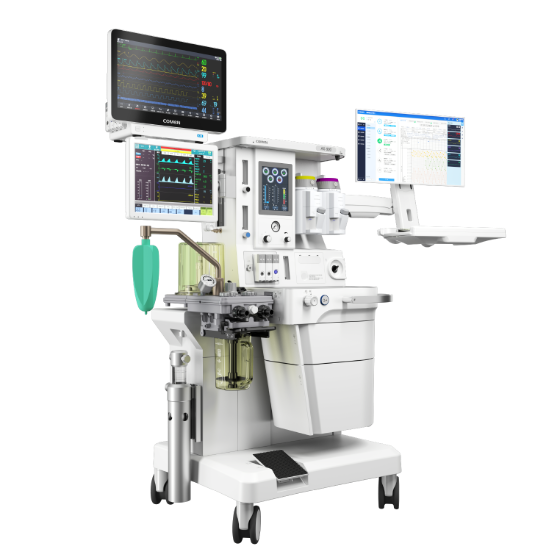
From my over 15 years moving units through hospital procurement and field service, I can point at common flaws: poor sealing in the breathing circuit, miscalibrated flowmeters, and vaporizers that drift with temperature. These aren’t glamorous problems; they are hidden pain points that show as higher sevoflurane consumption, occasional alarm noise, or slightly longer induction times. I once replaced a CO2 absorber cap at a clinic and measured a drop in mean end-tidal CO2 variance by 12% over two weeks — concrete. Small faults lead to measurable costs and staff frustration, and the scavenging system often gets overlooked during buys. Let me explain what’s really failing next—so you can avoid the same mistakes.
What’s going wrong
Fixes, Forward Choices and Comparative Outlook
Now we switch the pace. I look forward — and compare options — because simply patching leaks is short-term thinking. When we evaluate an anesthesia machine for sale, I compare three practical areas: serviceability (how fast can I swap a worn APL valve), modularity (can I replace a vaporizer without full bench recal), and consumable cost (filter, CO2 canister turnover). In 2019 I advised a regional hospital near Penang to switch from an older fixed-vaporizer system to a modular one; within six months their agent usage dropped by about 14% and downtime fell by 40%. These are not marketing claims — they were logged in service tickets and purchase invoices.
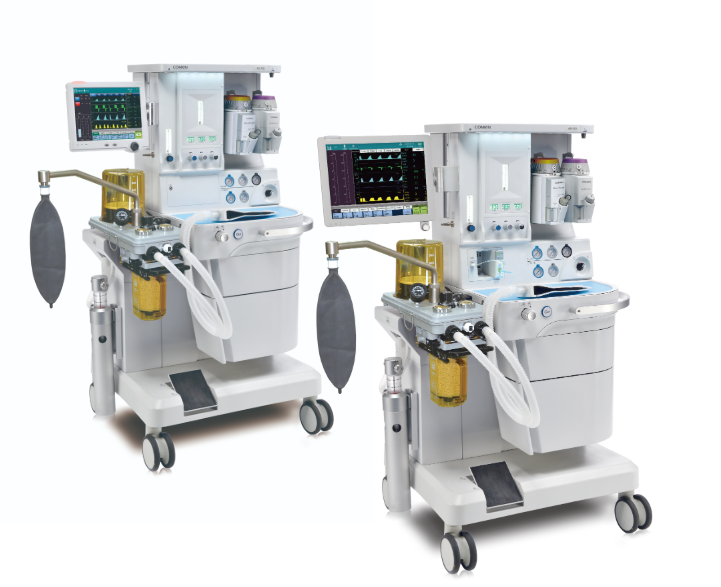
Technical detail matters — ventilator modes, scalability of fresh gas flow control, and scavenging compatibility are not optional. I prefer machines where the flowmeter calibration is straightforward and parts have clear part numbers (saves days on repairs). Also, consider local training availability; the best hardware still fails if nobody knows how to replace a failed sensor — been there, seen that. Short note: buy spare tubing and a spare vaporizer seal when you sign the PO — trust me on this — it smooths the transition.
What’s Next
Now for three key evaluation metrics I always use — practical, measurable, and fast to check. First: Mean Time To Repair (MTTR) — measure how long a typical repair takes in your locale (hours or days). Second: Consumable Burn Rate — track monthly agent and CO2 absorber replacement costs per OR; a unit with high burn may be misconfigured. Third: Local Parts Availability Score — percentage of critical spares available within 72 hours. Use these metrics when you compare quotes and you will see true cost, not just sticker price. I keep these numbers on a spreadsheet for each supplier — yes, old-school, but it works.
Final note — I am frank: traditional buying often ignores repair logistics and user pain. If you want longevity and lower running cost, ask for local service records and ask suppliers for demo days in your OR. Short interruption — check the training calendar now — then sign the contract. For practical sourcing and reliable after-sales, I often point colleagues to tested suppliers and proven designs like the ones listed by COMEN. Take the metrics, run them, and make the buy with confidence.