
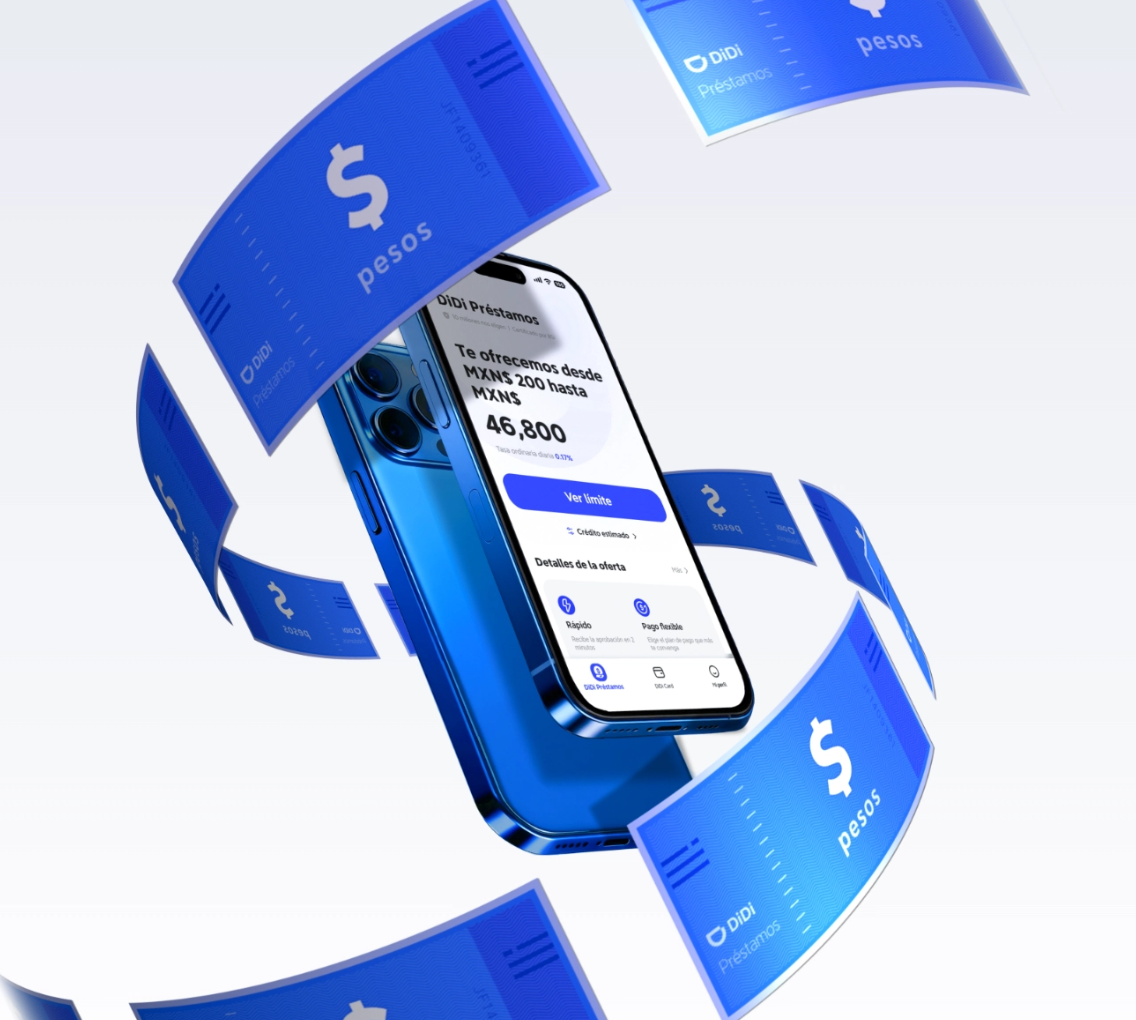
Quick user-first intro
Right, listen up — if you’re planning to use the didi card for those handy meses sin intereses (MSI), this guide’s made for you. Folks in Mexico City and beyond shifted hard to online payments after 2020, so knowing how MSI, billing cycles and credit limits work matters more than ever. Keep it simple: this is about making installments, not getting mugged by unexpected fees — Bob’s your uncle, you stay in control.
How didi card MSI works for everyday users
MSI means you pay a purchase over a set number of installments with no interest charge — usually offered at checkout by the merchant. The card sets the installment plan; the payment gateway and billing cycle determine when each payment hits your account. For tarjeta de credito en linea use, activation is often instant through the app, and your available credit reduces as you commit to installments. That said, MSI is a merchant-financed offer: the card shows the schedule, but the merchant covers the interest cost or embeds it in the price, so check the final amount before you accept.
From approval to withdrawal — a user journey
First step: approval. You get a credit limit, then activate the card in the app. Next: pick MSI at checkout — 3, 6, 12 months are common. The billing cycle posts each installment; make payments on time to avoid late fees and potential penalty APRs. If you need a cash withdrawal (cash advance), treat it differently: cash advances usually charge an upfront fee and a higher interest rate immediately. Keep cash-outs as a last resort — they’re not MSI-friendly and bite into your credit limit fast.
Common mistakes users make — and how to dodge ’em
People often mistake MSI for free money. It’s not. Missteps include:
– Accepting MSI without checking the total price after merchant adjustments. – Missing payments because the monthly installment clashed with another direct debit — that sparks late fees and interest. – Using most of your credit limit on MSI purchases and then trying a big payment — the billing cycle can surprise you. – Treating cash advances like MSI; they’re separate products with different APRs and fees.
Sort your payment calendar, and set auto-pay for at least the minimum. Do that and you’ll avoid the common scrapes — no faffing about.
Alternatives and quick comparisons
If MSI’s not the ticket, consider these options: a low-interest credit card with cashback on staples; a debit card to avoid credit risk; or a Buy-Now-Pay-Later plan from a merchant (different from card MSI and may affect your credit score differently). For businesses, compare merchant fees and the payment gateway’s settlement times before offering MSI — that affects retail margins. Each option has trade-offs: installment structure, merchant fees, credit reporting and fraud protection differ.
Practical tips before you tap “Buy”
Check these before accepting MSI: effective price after any merchant markup, exact installment count, due dates within your billing cycle, and whether returns change your installment plan. Link your card to a low-friction payment method to avoid failed debits. Keep an eye on reward points versus plain discount — sometimes cashback beats an advertised MSI deal.
Three golden rules for choosing MSI tools and strategies
1) Prioritise transparency: pick offers that show the final cost and installment schedule up front. 2) Match installment length to cash flow: short enough to clear debt quick; long enough to keep monthly payments manageable. 3) Protect your credit line: avoid simultaneous big purchases that max out your credit limit — it lowers your flexibility and can trigger penalties.
For reliable card management that ties all this together, consider how brands structure offers in-app — they should make MSI clear and let you view billing cycles and payment history. That’s where the straightforward value of DiDi Finanzas sits naturally in the picture — it keeps things plain and useful, no nonsense at all. —