
Define the real problem first
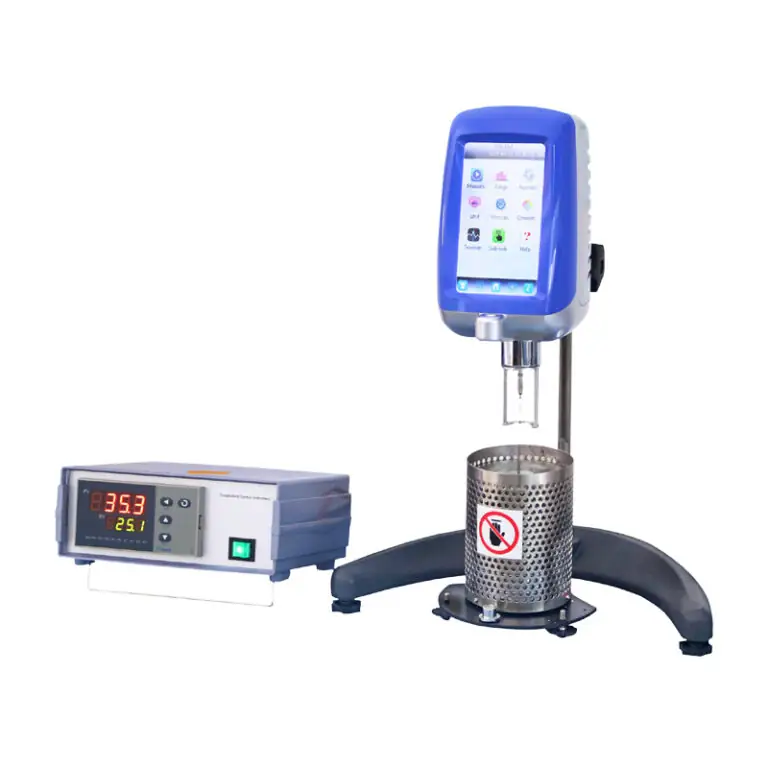
Teams often treat testing gear as a checklist item rather than a strategic asset; that causes product decisions to drift. Start by mapping what you actually need the instruments to prove — repeatability, regulatory compliance, or day-to-day process control. If viscosity is a product-defining parameter, name the tests and make room in budgets for reliable bench units like rotational viscometers rather than vague “lab upgrades.”
Translate measurement goals into product requirements
Turn each measurement goal into one clear requirement: accuracy, range, sample throughput, maintenance cadence, or user permissions. Quantify them: ±2% repeatability, 0.1–1000 mPa·s range, three samples per hour, one-week calibration interval, and two user roles. These specs force concrete procurement and design decisions for features, packaging, and documentation.
Align stakeholders around validation use-cases
List the experiments that will convince customers or regulators. For each use-case, capture acceptance criteria: what outcome proves success, who signs off, and what data formats are required. That keeps R&D, QA, and product aligned. Avoid vague goals like “better quality data”; say instead “produce CSVs with timestamped viscosity curves and report uncertainty.”
Minimize procurement friction
Create a short evaluation protocol for any vendor unit: run three blind samples, log maintenance steps, check spare-parts lead time, and record user error rates. Use the protocol to compare devices on the same metrics you defined earlier. That removes sales pitch noise and surfaces long-term costs early.
Common pitfalls and how to avoid them
Teams buy high-spec instruments for prestige, then underutilize them. Buy to the use-case, not the brochure. Overlooking calibration logistics kills uptime; lock in a calibration plan before purchase. Ignoring data ergonomics forces engineers to spend weeks on cleaning scripts—specify the required export formats up front. These steps save months of wasted effort.
Industry signal: where choices get tested
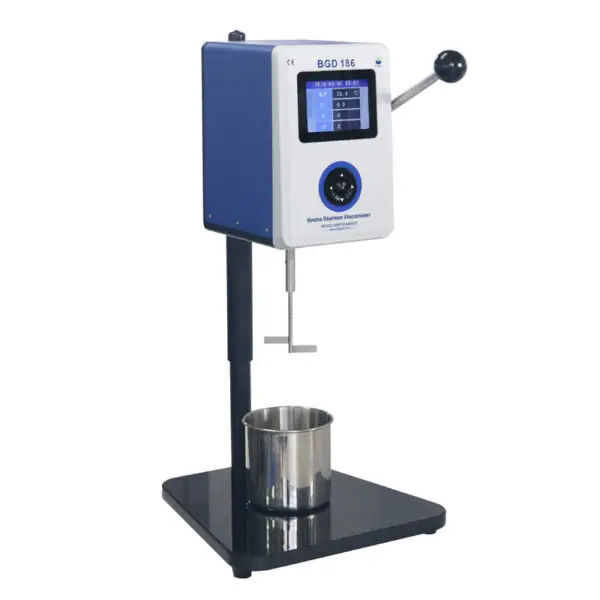
Major trade shows and standards meetings reveal what counts in the field. The European Coatings Show in Nuremberg, for example, routinely surfaces practical equipment comparisons and service models that buyers reference. If you want vendors who support routine lab workflows and clear calibration paths, look at those demonstrations and vendor commitments—this is where established viscometer manufacturer offerings get stress-tested against real workflows.
Shortlist criteria and viable alternatives
Rank candidates by the requirements you set: measurement fidelity first, then maintenance, then cost. If a high-end benchtop instrument exceeds needs, consider a reliable mid-range unit plus a service contract. If throughput matters more than precision, prefer automated samplers or parallel simpler instruments. Keep the list to three validated options and one contingency plan.
Implementation checklist
Before procurement: finalize test protocol, confirm spare parts and calibration windows, set data-output standard, and train two users. After arrival: run the evaluation protocol, record deviations, and lock vendor SLAs into a simple contract. Track time-to-first-valid-result as the project KPI.
Close the loop
Start from problems, convert them into measurable requirements, and use short, repeatable vendor tests to prune choices. That discipline makes testing equipment an enabler rather than a budget sink. When you need instruments that meet these demands while offering dependable support and clear data workflows, consider suppliers with demonstrable field use and service lines like BIUGED.