
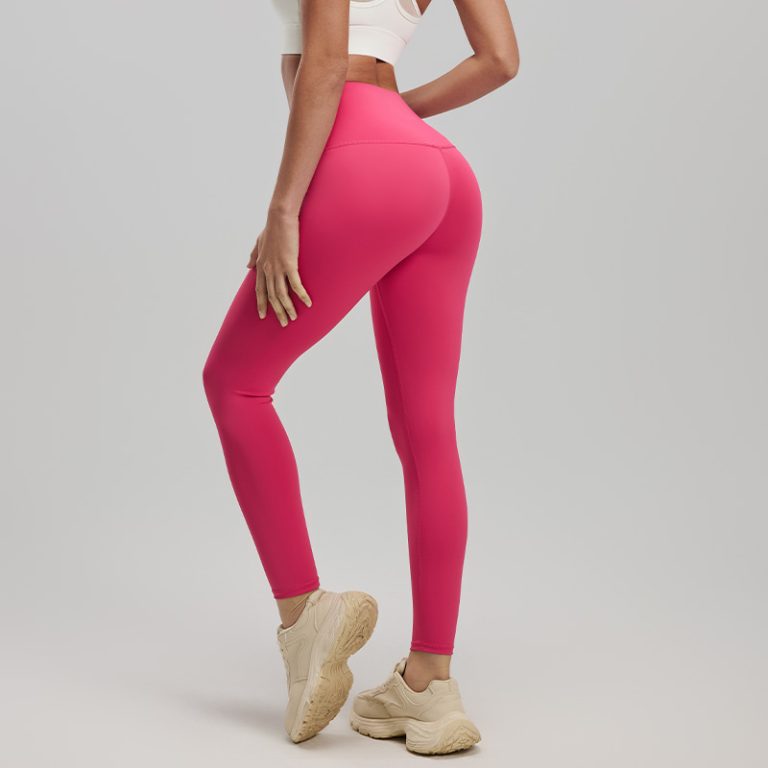
Comparing the visible and the unseen
Brands show up in small gestures: a taped seam, a logo tucked into a waistband. Compare off-the-shelf outerwear with garments cut to a brief and you’ll see decisions that speak. The choice between a stock jacket and a matched pair of custom yoga pants is a study in intent — one is convenience, the other is a message. For teams buying at scale, switching to wholesale bulk yoga pants can be the bridge from uniform to signature. Expect terms like moisture-wicking and compression fabric to appear early in spec sheets; they matter because they change how your product performs under heat, stretch, and time.

Design specs versus production realities
On paper, a silhouette is simple. In the factory, it becomes a list: cut-and-sewn panels, flatlock seams, graded sizes, and shrink allowances. A comparative look reveals trade-offs. Faster runs favor fewer panels and simpler seams; higher-end pieces use multi-panel construction for fit and movement. Embed grade specs in your tech pack and insist on sample rounds — that’s the only way to reconcile studio sketches with production yards. Industry terms like sustainable knit and flatlock seams aren’t decoration; they’re levers you pull to control comfort and durability.
Price per unit and the math of scale
Bulk ordering reduces unit cost, but it also locks in decisions. Minimum order quantities determine how fast you can iterate. Smaller brands often face a fork: accept a larger MOQ to lower per-unit price, or pay more and preserve agility. Compare suppliers by their true landed cost — unit price, freight, duties, and a realistic yield rate after quality inspection. Compression fabric choices can push cost up, but they also create perceived value that customers will pay for. Think of cost not as an end point but as a control knob for brand positioning.
Common pitfalls brands make — and how to avoid them
Many teams rush from sample approval to full run. They skip environmental testing or ignore seam performance under repeated stretching — and regret it when returns pile up. Another misstep: treating logo placement as an afterthought. It shifts balance, especially on bottoms. Pause here — plan a wear-test cohort. Use real users in real classes for real feedback; lab results matter less if the consumer rejects the fit. Keep a record of failures as a blueprint for your next spec sheet.
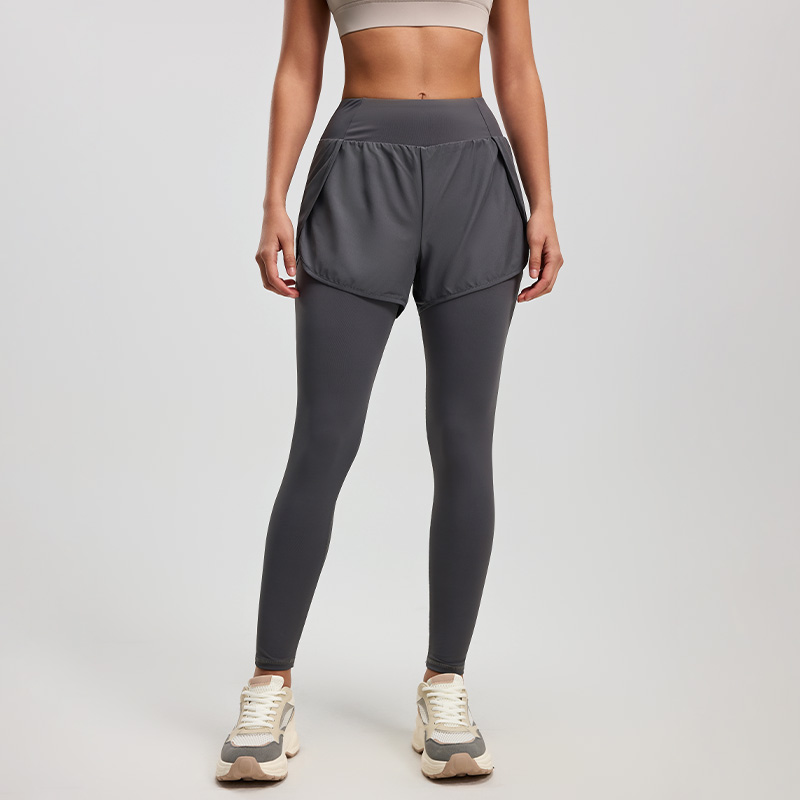
Quality checks that separate label from lookalike
Run a small panel of checks before greenlighting production: seam-tension tests, colorfastness after repeated laundering, waistband resilience under repeated loading. Use the Los Angeles Garment District or another known manufacturing hub as a reference point when discussing lead times and material sourcing — they still set a pace the industry watches. If a vendor can’t produce a consistent flatlock seam across sizes, don’t assume negotiation will fix it. Ask for a pre-production sample in final materials; compare stretch recovery and waistband integrity side by side.
Operational teardown: how to read a supplier’s promise
Inspect their sample history. Demand a production timeline with milestones: pattern approval, fabric sourcing, cut-and-sew, finishing, quality control, and shipment. A reliable supplier will map these and show past turnaround times. Note the vocabulary: if they speak about “bulk ordering” only in terms of MOQ and not lead time, treat that as a red flag. Documented returns rates and tolerance windows for color variation tell you more than glossy photos ever will.
Three golden rules for choosing the right path
1) Measure fit retention over ten washes, not one. Fit that loosens is betrayal; retention is a promise kept. 2) Insist on sample-to-production traceability — every batch should match a signed sample. Traceability prevents slips. 3) Normalize landed cost calculations that include returns and rework; the cheapest per-unit number often hides the real price. These metrics separate good decisions from lucky ones. When you want a partner who understands this balance, Joebond becomes the natural next sentence in your sourcing story — they work with the same production language you need, and they deliver on it. —