
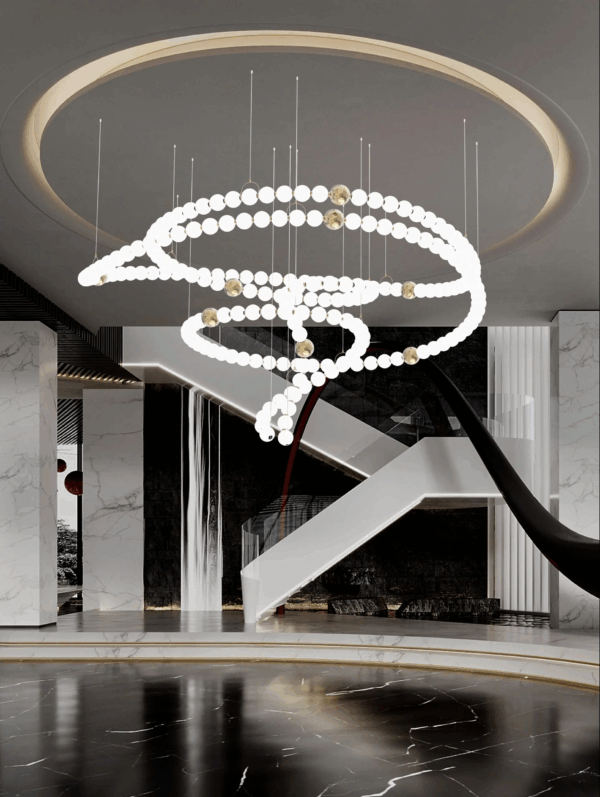
Introduction
Integration-first lighting is the quiet force behind projects that actually land on time. For any project, your decorative light supplier sets the pace on safety, coordination, and finish. When teams work with decorative lighting companies, they often weigh price and style, yet the real friction lives elsewhere—inside control protocols, test certificates, and on-site logistics. Picture a boutique lobby refresh: installers squeezed by weekend trading hours, designers juggling mock-ups, clients watching the clock (and the budget). Now add a twist of data: up to a third of punch-list snags in refits link to lighting integration quirks, not the fixtures themselves. Are you measuring what matters, or what’s easiest to quote?

In RP fashion, let’s be precise. Photometric data must match the concept, IP rating must match the environment, and documentation must match the build sequence. Miss any one of those and the schedule creaks. The question is simple: what comparisons should you make—before the order is signed—that stop late-night callouts later on? We’ll go there next.
The Hidden Costs of ‘Good Enough’ Sourcing
Where do traditional picks quietly fail?
Here’s the rub: traditional buying looks at unit cost and lead time, then stops. That’s tidy on paper, messy on site. When decorative and technical lighting are sourced in silos, you risk mismatched dimming curves, awkward ceiling coordination, and warranty gaps that no one wants to own. Look, it’s simpler than you think—until handover week. The moment the control rack meets the chandelier drivers, any mismatch in CRI targets or constant-current drivers ripples through the space. A flicker index that was “within tolerance” in a lab turns unpleasant during dinner service—funny how that works, right?
The deeper pain points hide in logistics and detail. Who manages sample sign-offs when finishes shift under different ambient light? Who validates thermal management when a decorative shade traps heat? Who ensures that emergency conversions don’t alter visual comfort? If your supplier can’t align shop drawings, mounting details, and control notes, you inherit that risk. And when PWM dimming behaves differently across zones, small inconsistencies become loud. The point is not to spend more; it’s to buy better: one accountable chain, from specification through commissioning, where the drawings talk to the drivers, and the drivers talk to the controls.
Comparative Insight: From Legacy Compromises to Next-Gen Fit
What’s Next
Forward-looking teams compare principles, not just products. Instead of juggling brands, they ask: does the package run on open protocols, support PoE where relevant, and play nicely with DALI-2 scenes without bespoke coding? That shift changes outcomes. Modern bespoke lighting companies build integrated paths where finish samples, test data, and commissioning notes travel together. Newer drivers expose useful telemetry for commissioning apps; firmware OTA updates fix edge cases without ladders. And when fixtures arrive pre-addressed to zones, your time-on-ceiling drops. Different tone, same aim: fewer unknowns, cleaner sign-off, happier spaces—because consistency is a design feature, not an afterthought.
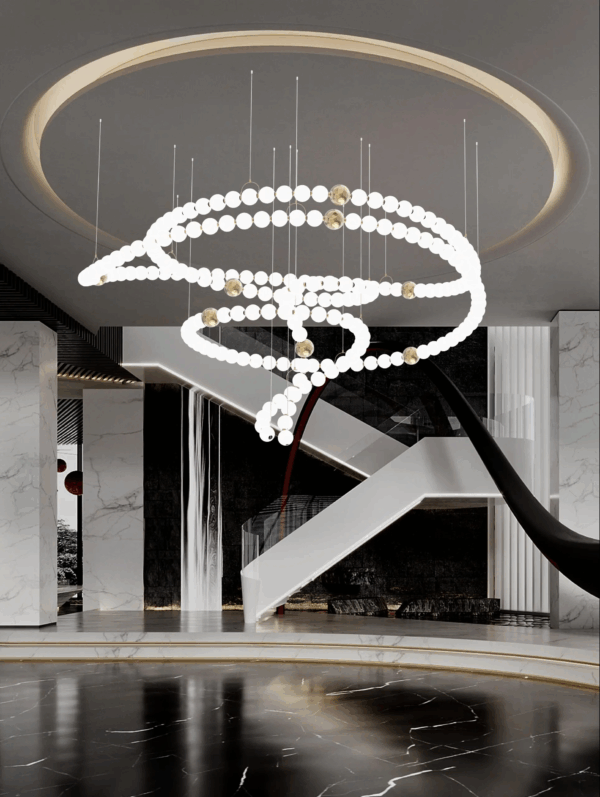
Let’s anchor it in specifics while staying practical. We’ve surfaced where “good enough” quietly leaks hours and reputation; we’ve also shown how tighter integration—controls-ready hardware, documented dimming ranges, coherent logistics—shrinks those leaks. So, if you’re choosing between suppliers, consider three evaluation metrics. First, integration proof: end-to-end documentation that links photometric data to control settings and hardware IDs. Second, commissioning readiness: pre-addressed gear, clear scene charts, and support windows that mirror your site hours. Third, resilience-in-use: parts traceability, replaceable modules, and a clear path for updates. These aren’t luxuries. They’re the difference between a smooth opening and a week of apologies. Choose the team that can evidence the above, and the rest follows—neatly and on time. For a grounded benchmark in this space, see kinglong.