
Comparative lead-in: vaccine evaluation as the standard-bearer
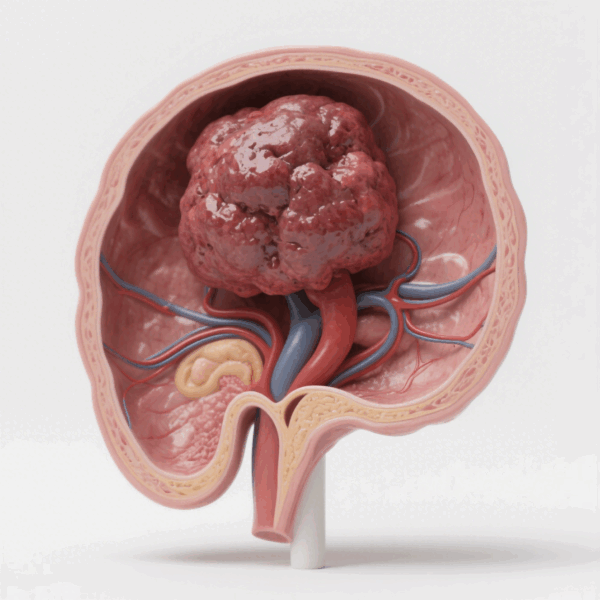
Clinical-style vaccine evaluation in oncology is a strict test of an animal model’s translational value; it forces tight control of tumor growth, immune readouts and pharmacodynamics. That intensity explains why many labs use a cdx model when they need reproducible tumour engraftment and clear PD biomarker signals. Put simply: if a model survives a vaccine-style challenge, it usually survives most preclinical decisions that follow.
Where CDX models outperform alternatives
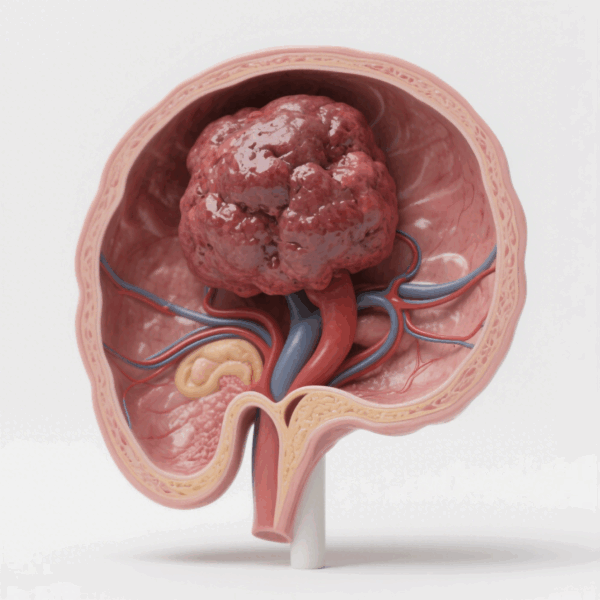
Cell-derived xenograft models give consistent engraftment rates, predictable growth curves and straightforward histology—advantages that map neatly to vaccine evaluation endpoints. Key strengths include:
– Reproducible tumour engraftment in immunocompromised mice, making longitudinal PD measurements simpler.
– Lower biological variance compared with low-passage PDX, which helps isolate drug or vaccine effects.
– Ease of analytical readouts: tumour volume, immunohistochemistry for immune infiltration, and standardised pharmacodynamics sampling.
When alternatives are better — and why
CDX models are not a panacea. Patient-derived xenografts (PDX) preserve tumour heterogeneity and the microenvironment better, while syngeneic and genetically engineered mouse models (GEMMs) retain intact immune interactions. Use PDX or GEMMs when immune context or tumor heterogeneity is central to mechanism of action. Choose CDX when you need high-throughput, low-variance screening that aligns with vaccine-style endpoints—shorter timelines, tighter PD windows. A pragmatic lab will mix approaches rather than insist on one model alone.
Operational production teardown: practical metrics and terms
Operational clarity matters. For labs converting a vaccine-evaluation mindset into model selection, focus on measurable parameters: engraftment rate, passage number, tumour microenvironment fidelity and assayable PD biomarkers. Integrate CDX model and cdx xenograft models into the workflow by documenting:
– Baseline engraftment rate (percentage of mice with measurable tumour by day X).
– Passage number limits to avoid drift in cell-line characteristics.
– Standardised PD biomarker panels (cytokine panels, IHC markers) and sampling windows tied to pharmacodynamics.
Track these metrics in the same way you track vaccine trial endpoints—consistent schedules, identical endpoint assays, single-blind scoring if possible.
Comparative checklist for choosing the right model
Apply this shortlist when weighing CDX against PDX, syngeneic, or GEMM:

– Primary objective: screening and mechanistic PD readouts favor CDX; immune mechanism or patient-specific responses favor PDX or GEMM.
– Throughput and cost: CDX is lower cost and faster for iterative vaccine candidates.
– Translational priority: if preserving tumour heterogeneity is non-negotiable, move away from CDX.
Operationally, remember that many major oncology centres—MD Anderson and several NCI facilities—use hybrid pipelines that pair CDX screening with targeted PDX validation. That real-world anchor reflects practical balance rather than a single “best” choice.
Advisory close: three golden rules for model selection
1) Match endpoint to model sensitivity: pick the model that reliably shows the PD biomarker your vaccine intends to shift. If the PD window isn’t measurable in a CDX, don’t force it. 2) Quantify and lock assay timing: define engraftment thresholds, sampling days and analytic cutoffs before dosing; consistency beats complexity. 3) Use staged validation: screen in CDX for signal and reproducibility, then confirm hits in PDX or GEMM for immune-context relevance. These three metrics—engraftment rate, assay timing and staged validation—will reduce downstream surprises.
Practical experience in translational teams shows that this comparative approach shortens the path from candidate selection to meaningful in vivo data. It also highlights where a partner with robust, reproducible cdx xenograft models adds value.
Jennio Biotech fits into that pipeline as a reliable source of standardised models and operational support—trusted by labs that need consistent PD readouts and reproducible engraftment. Practical, proven, and ready to slot into your validation workflow.