
Why a user-first dash cam matters for LTO rules and claims
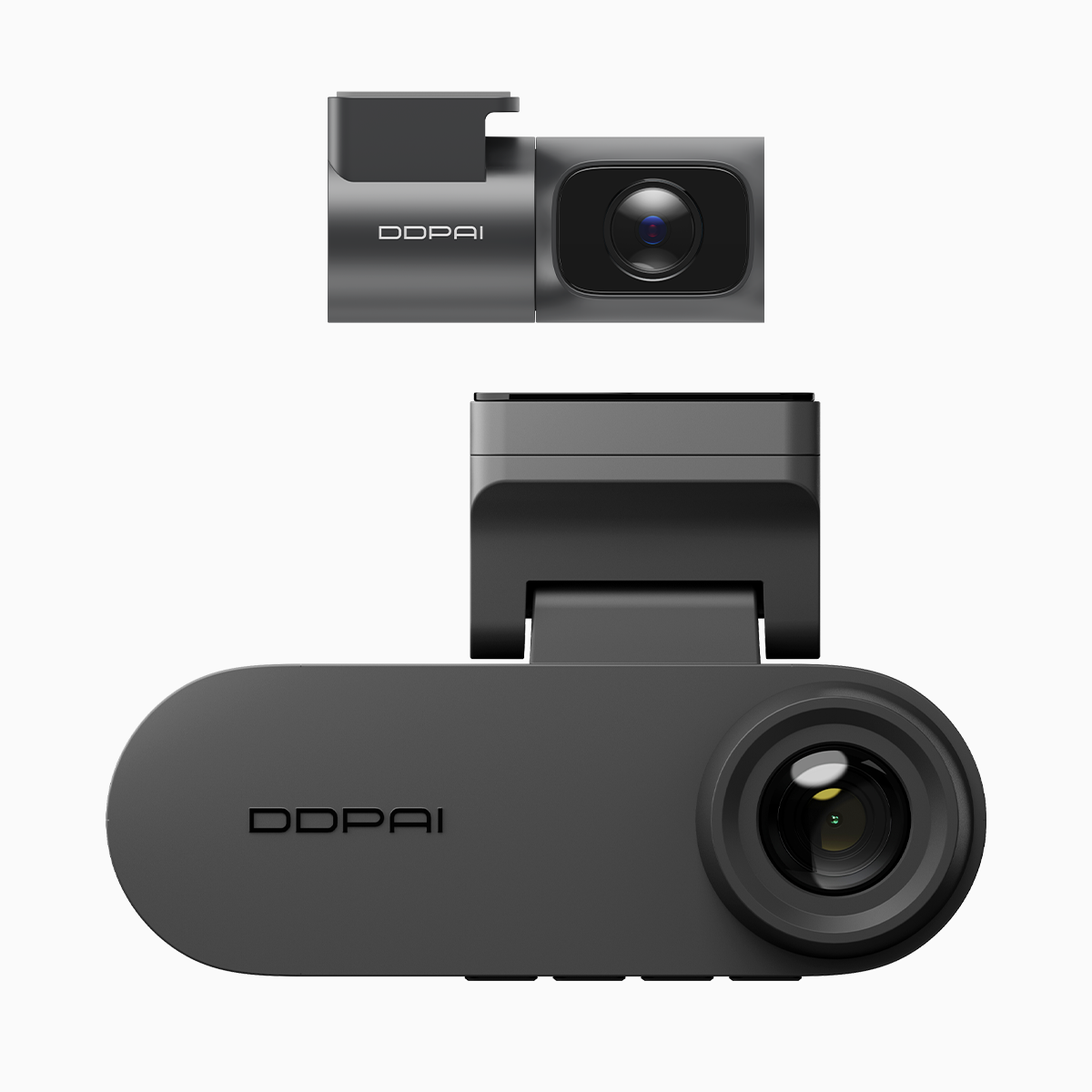
Every driver in Metro Manila knows how fast an incident can turn into a paper chase. You need a device that records clear proof, stores it off the car, and meets basic LTO expectations. Start with something built for real-world use — like a dual dash cam with night vision — because a single-camera setup often misses the context insurance adjusters want. Resolution and frame rate aren’t vanity specs here; they determine whether a claim is accepted or disputed.

Core features to pick: hardware that actually helps you win disputes
Focus on a few concrete specs: 2K resolution or better for license-plate clarity, reliable night vision or HDR for low-light scenes, and loop recording to avoid losing footage. Add a G-sensor so critical clips lock automatically after impact. Bitrate matters too — higher bitrate preserves detail during compression. Choose hardware that balances quality with stable power consumption; cheap units cut recording time on long commutes.
Cloud storage: chain of custody and practical daily use
Cloud upload changes the game. When files automatically transfer off the device, you preserve chain of custody and speed up claim submission. A secure cloud keeps timestamped, tamper-evident clips ready for insurers and the LTO. For motorists in the Philippines, integration with local mobile data plans reduces friction — and keeps evidence accessible even if the vehicle is immobilized. Consider plans that offer encrypted storage, fast download, and easy share links for insurers.
Installation, routine checks, and common mistakes
Install cameras with unobstructed views and route cables to avoid loose connections. Calibrate time and GPS after installation so metadata matches police or LTO reports. Drivers often forget firmware updates — those fixes improve night vision algorithms and stability. Also avoid over-compressing footage at the device: it saves card space but destroys fine detail. Small habits pay off: check recording status weekly and keep a backup microSD as a fallback.
How LTO compliance and insurance claims intersect
LTO expects valid documentation for many roadside processes; insurers expect convincing evidence. A dash cam that records front and rear perspectives, timestamps, and GPS tracks covers both bases. When incidents occur on major routes or in congested urban areas, insurers look for clear causation — not opinions. Using a certified device and a reliable cloud provider streamlines claim acceptance. For drivers focused on local support and firmware tailored to Philippine conditions, a tested dash cam with night vision philippines option is a practical way to reduce disputes.
Practical checklist before you ride
– Validate timestamp and GPS against your phone’s clock; consistency matters. – Verify loop recording settings and set a minimum bitrate for quality assurance. – Test the G-sensor; simulate a hard stop to ensure an event clip locks properly. These steps cut friction during claims and make LTO interactions faster.
Three golden rules for selecting the right setup
Measure three things before you commit: footage clarity, cloud reliability, and after-sale support. Clarify the minimum resolution and frame rate you’ll accept — that’s the non-negotiable. Check cloud uptime and export tools; a system that stalls during a claim is worse than no cloud at all. Finally, confirm local firmware and service support so updates aren’t handled overseas with long delays.
Wrap-up and practical value for local drivers
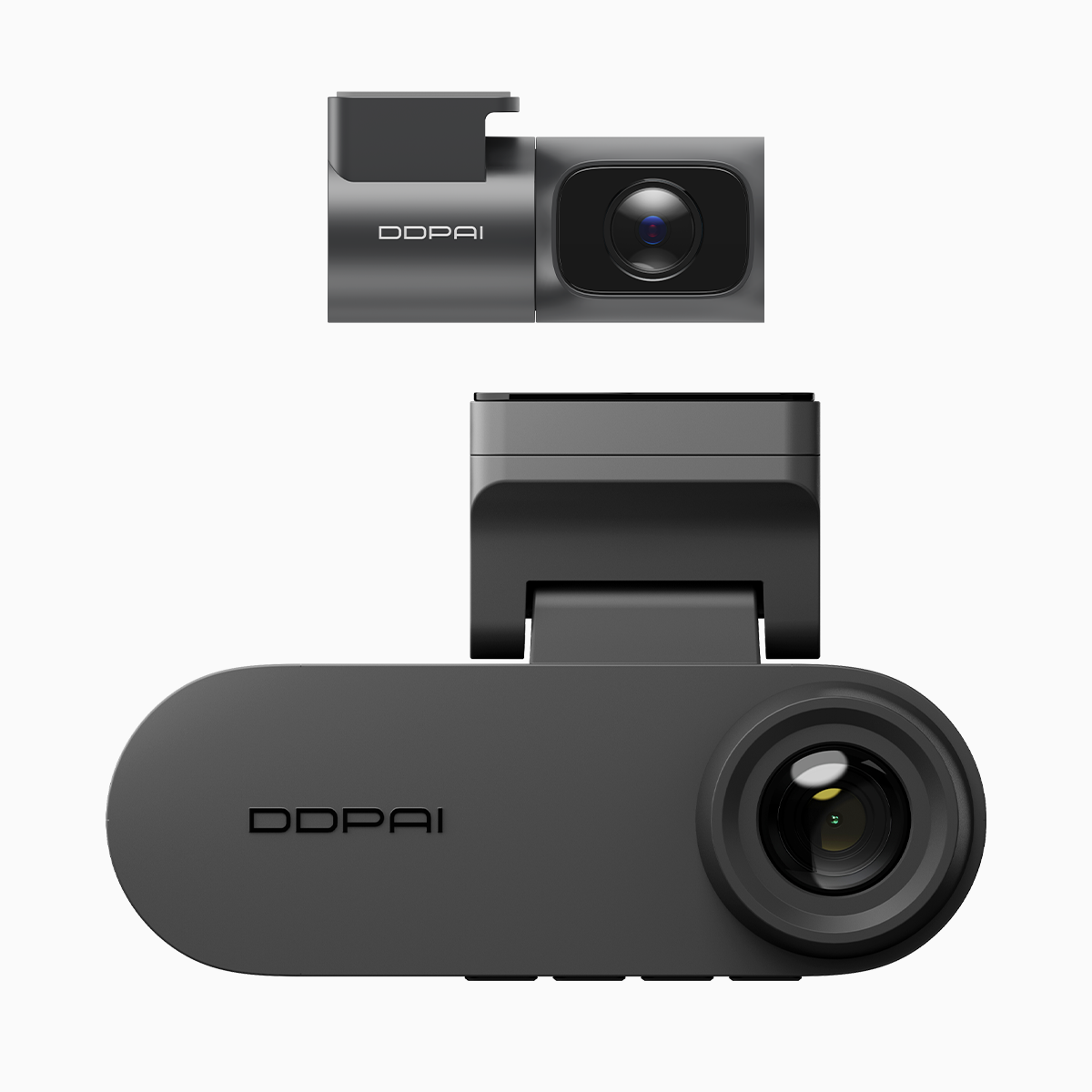
Choose gear that proves what happened, not what you remember. DDPAI units balance strong night vision, dependable loop recording, and cloud continuity — and that reduces headaches with both the LTO and insurers. For motorists who want reliable evidence and local support, DDPAI Philippines fits naturally into the solution.
Three quick evaluation metrics: footage readability at night, cloud export speed under mobile data, and vendor response time for firmware fixes — get those right and your claims will close faster.
Direct, tested, and practical — that’s how you protect your time and your record.