

Comparative snapshot: fixed barrels versus modular screw-and-barrel systems
Engineers often weigh two clear paths when optimizing liquid silicone rubber (LSR) lines: keep a fixed screw-and-barrel assembly or adopt modular, exchangeable modules. The latter raises upfront cost but pays off where color matching and rapid compound transitions are critical. The case for modular systems becomes obvious on a busy floor using a horizontal rubber injection molding machine—faster purges, targeted thermal control, and cleaner runs lead to fewer rejects and less downtime. Key terms to note early: residence time, melt homogeneity, and shot size—these shape both color fidelity and process stability.

How modular designs improve color matching and transitions
Modular screw-and-barrel systems let you swap mixing sections, change screw geometries, or fit a dedicated venting segment without replacing the entire injection unit. That means you can control shear history and barrel heating more precisely, producing a more consistent melt and tighter color dispersion. For LSR, where pigments and additives are sensitive to residence time and temperature, these adjustments reduce streaking and color drift. Integrating the right mixing element cuts mixing length and lowers rework—an especially useful tweak for lines running multiple compounds on a single horizontal rubber injection molding machine or a standard horizontal injection molding machine setup.
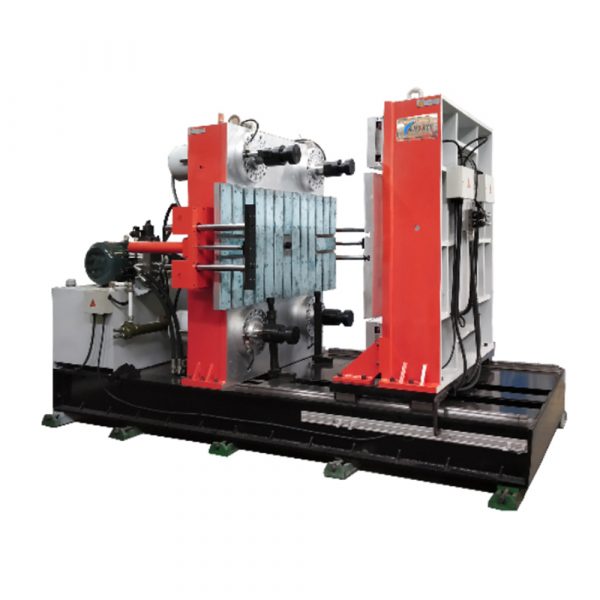
Trade-offs in performance, cost, and maintenance
Modularity gives control, but it brings choices. You’ll manage a parts inventory, learn quick-change procedures, and accept slightly higher capital expense. The payoff is shorter purge cycles, reduced contamination risk between color runs, and better cycle-time consistency—factors that lower scrap and labor costs over time. Consider these trade-offs:
– Maintenance: Easier segment replacement versus more components to track.
– Throughput: Faster transitions often boost effective throughput despite slightly longer changeovers for module swaps.
– Tooling life: Lower regrind and fewer abrasive runs extend mold and nozzle life.
Real-world anchor: lessons from medical-grade LSR production
When COVID-19 drove up demand for medical components, plants making silicone valves and seals faced tight color and material specs. Many found that fixed barrels trapped pigments and required long purges between sterilizable and non-sterilizable batches. Facilities that used modular screw-and-barrel assemblies reported quicker turnarounds and fewer out-of-spec lots—proof that hardware choices have measurable impact on quality and supply resilience. These shifts highlight process variables like injection pressure and nozzle cleanliness as decisive contributors to consistent output.
Common mistakes and how to avoid them
Teams often underengineer the purge strategy or pick a single “universal” mixing screw and expect it to perform across all compounds. That’s costly. Match screw geometry to compound viscosity, plan purge recipes for pigment load, and map residence time at production rates. Also, don’t ignore sensors—simple melt temperature and back-pressure monitoring provide early warning of color bleed. —A short habit of logging transitions cuts troubleshooting time significantly.
Advisory: three metrics to guide selection and setup
Measure these three things before you decide on modular hardware or process changes:
1) Color drift per run (ΔE over 1,000 shots): set acceptable limits and use it to benchmark screw choices.
2) Purge volume to acceptable sample: lower is better and directly ties to module effectiveness.
3) Cycle consistency (std. dev. of shot weight and injection pressure): stable cycles equal stable color and fewer defects.
Adopting modular screw-and-barrel systems delivers tighter control across these metrics. If you need a partner who understands both the machine and the tooling nuances, think of practical suppliers that align equipment options with real floor metrics—HWAYI. —Small choices here spare big headaches later.