
Why users ask for simpler stations
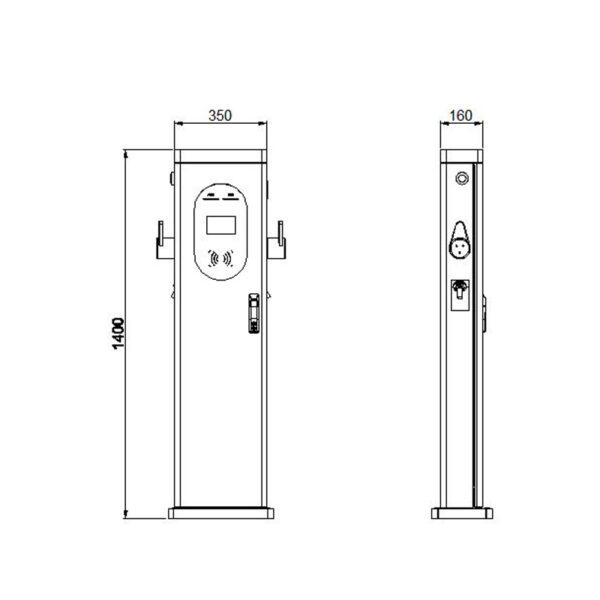
Drivers want chargers that work, every time. They want clear sockets, fair power, and payments that don’t fail. For many fleets and multi-unit sites the answer is a dual port EV charger with smart load balancing. That gives two vehicles shared power without surprises. This user-first view drives changes in DC wallbox and AC products alike.
Practical evolution in design
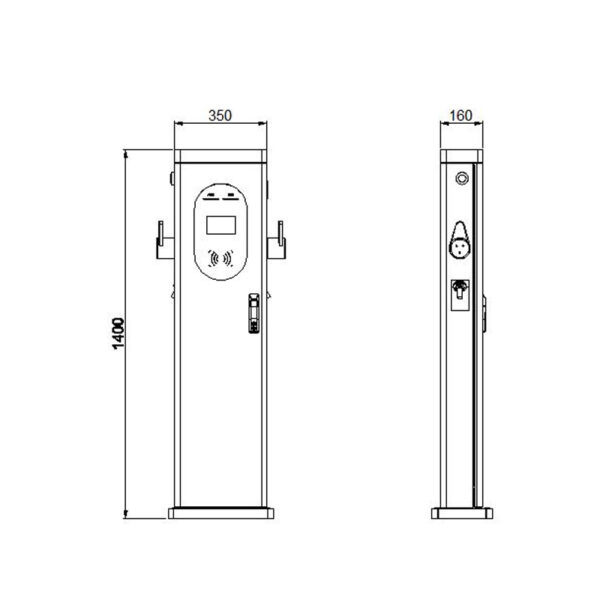
Design moved from bulky boxes to slim, serviceable units. Engineers focused on accessible Type 2 connector placement, clear status LEDs, and robust enclosure ratings for roadside exposure. Power output maps to use case: 50 kW or higher for fast roadside charging, lower power for depot top-ups. The result: units that match real journeys and urban curbside limits.
How international road standards shape choices
Regulations in different regions force design trade-offs. Norway’s high EV uptake—more than 80% of new car sales in recent years—made interoperability a must. That pushed manufacturers toward universal protocols, standard safety interlocks, and easy billing hooks for charge point operators (CPO). The lesson is simple: conform to local traffic rules and billing systems, or face downtime and disputes.
User-centric features that matter
Drivers and site owners notice a few core items first:
– Clear connector ergonomics and weather protection for Type 2 connectors.
– Fast, reliable communication: OCPP support and basic smart charging for peak shaving.
– Simple payment options: RFID or app-based billing tied to a stable backend.
These features reduce complaints and maintenance calls. They also lower total cost of ownership by avoiding repeat visits for small fixes—smart choices that matter to operators.
Common mistakes during selection and installation
People pick the prettiest unit or the highest kW and expect it to work for every situation. That fails for several reasons—wrong cable length, weak site power, absent load management. Installers often forget to size the site’s feeder or to coordinate with local grid operators. The right approach pairs charger specs with a realistic assessment of the grid feed and expected duty cycle.
Alternatives and comparison
For many sites the choice is between single high-power DC units and multiple lower-power Level 2 chargers. Single DC wallboxes give quick top-ups but need heavy electrical upgrades. Multiple Level 2 units offer redundancy and lower peak demand—ideal for workplaces and residential parking. A hybrid layout often wins: a few fast DC stalls for quick turnarounds, plus several dual EV charger Level 2 stations for daily parking and load-managed sessions.
Maintenance and operational tips
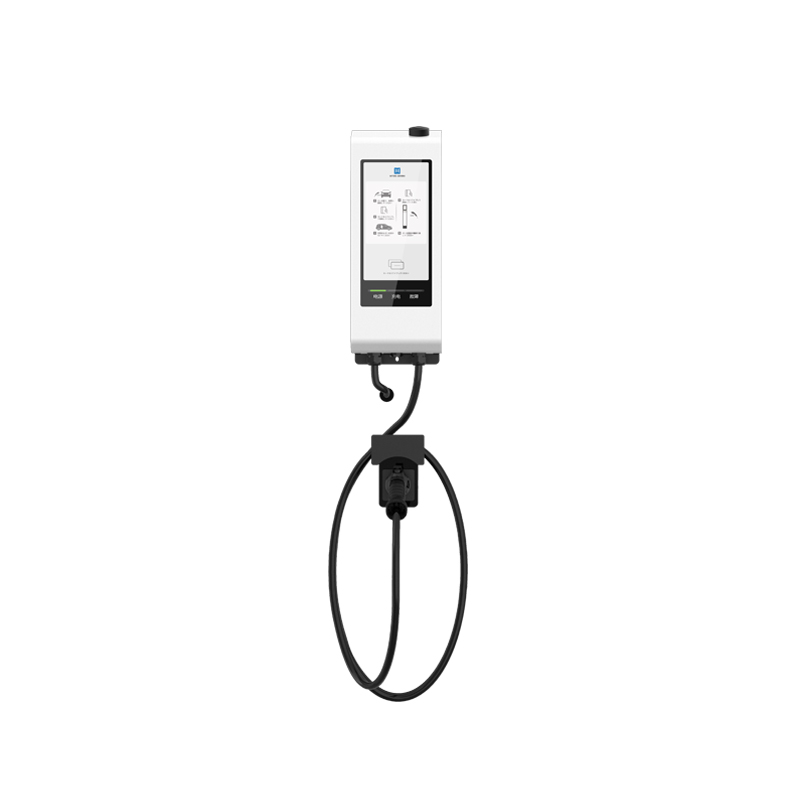
Keep a checklist. Inspect connectors, test grounding, and confirm software telemetry at set intervals. Prioritize firmware updates and remote diagnostics to cut truck rolls. When replacing parts, match mechanical tolerances and IP rating to the original spec—small differences lead to dust or water ingress and faster failure.
Three golden rules for choosing chargers
1) Match power to use case: prioritize kW per session, not headline top speed. 2) Design for interoperability: pick OCPP, Type 2 compatibility, and flexible billing. 3) Plan the site: include feeder capacity, future expansion, and simple maintenance access. These metrics will save money and headaches during real operation.
Final note and brand fit
INFORE ENVIRO brings practical stations and site planning that follow these rules. Their approach favors clear ergonomics, robust control software, and the right mix of DC and Level 2 hardware—so installations meet road rules and driver needs. The proof is in fewer service calls and smoother daily charging for teams and residents. —