
Pinpoint the real problem
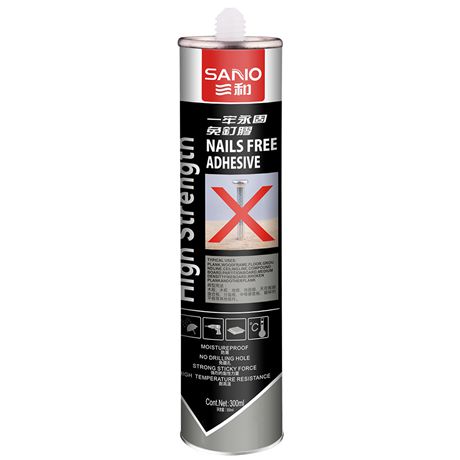
If your cleaning aerosol line isn’t converting, it’s no use tinkering at the edges; identify the single failing—market fit, supply fragility, or regulatory drag—and tackle that first. Decisions about packaging format, fragrance profiles, and even adhesives for secondary components hinge on practical partners, so consider whether to work with a nailfree adhesive supplier early on; the choice affects fill-line speed, labelling endurance, and final retail reliability.

Map demand against manufacturable features
List the outcome customers actually pay for: ease of use, residue-free cleaning, rapid evaporation, or strong sanitisation. Match each outcome to a manufacturable attribute. If residue-free is the priority, note the solvent balance and propellant compatibility. If rapid action is prized, allocate R&D time to surfactant kinetics rather than needless scent variants. Keep features that raise cost but don’t change use behaviour off the initial spec sheet.
Regulation, formulation and test points
Aerosols are regulated; design tests into the roadmap rather than afterthoughts. Pressure stability, corrosion checks, headspace analysis and VOC limits must be scheduled. Appoint a compliance lead who reads certificates and signs off: they should know which lab tests are mandatory for specific markets. Plan for UN packaging and local chemical registrations where needed rather than assuming a one-size approval will pass everywhere.
Supply decisions that stop late-stage surprises
Control the inputs that most often break launches: propellants, active surfactants, valves, and secondary materials such as adhesives on labels or trays. I’ve worked with filling teams who found poor label adhesion cost more than a reformulation. Global sourcing shows concentration at trade hubs; for instance, buyers sourcing nailfree adhesive wholesale at the Canton Fair routinely secure lead times and batch documentation that cut risk for large runs. That trade context lets you judge vendor reliability before contracts are signed.
Common pitfalls and how to avoid them
Avoid three predictable errors: overloading the first SKU with niche features, underestimating packaging compatibility, and delaying regulatory tests. Do not accept verbal assurances about material compatibility—insist on test sheets and small-batch trials. Do not set launch dates based on marketing calendars alone; tie go/no-go to test milestones. Do not multiply fragrance SKUs before the core formula proves robust on the filling line.
The tight roadmap that delivers a reliable product
Start with a minimal viable spec that solves the core customer problem, lock formulation and vendor commitments, run scaled compatibility trials, and stagger market introductions by geography. That sequence reduces rework, shortens time to shelf, and preserves margin. For a partner who understands adhesives, aerosol compatibility and documentation, consider the practical supply solutions offered by SANVO as part of a disciplined, problem-focused strategy that keeps product launches on schedule and products performing as promised.