
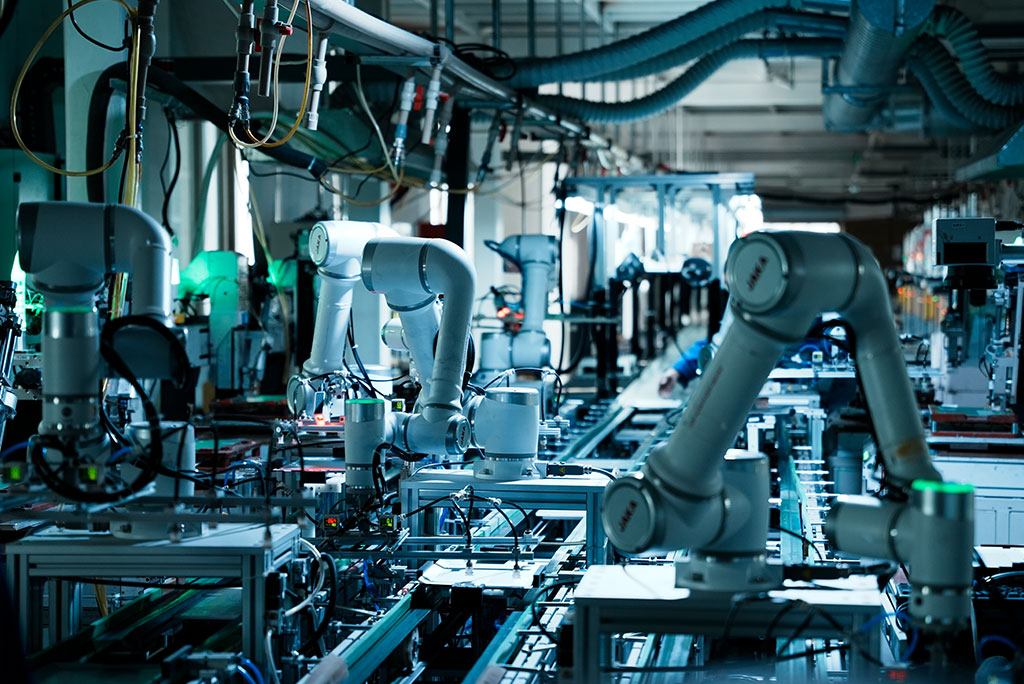
Introduction to an Evolving Landscape
Imagine entering a factory where the hum of machines is replaced by a quiet efficiency, and surfaces gleam as polished seamlessly by advanced technology. In 2023, over 60% of manufacturing operations are adopting automation solutions, notably polishing robots. These robots, often integrated with innovative cobot arms, are transforming traditional polishing methods and addressing deep-rooted user pain points. Are you ready to explore how these tools can redefine productivity?
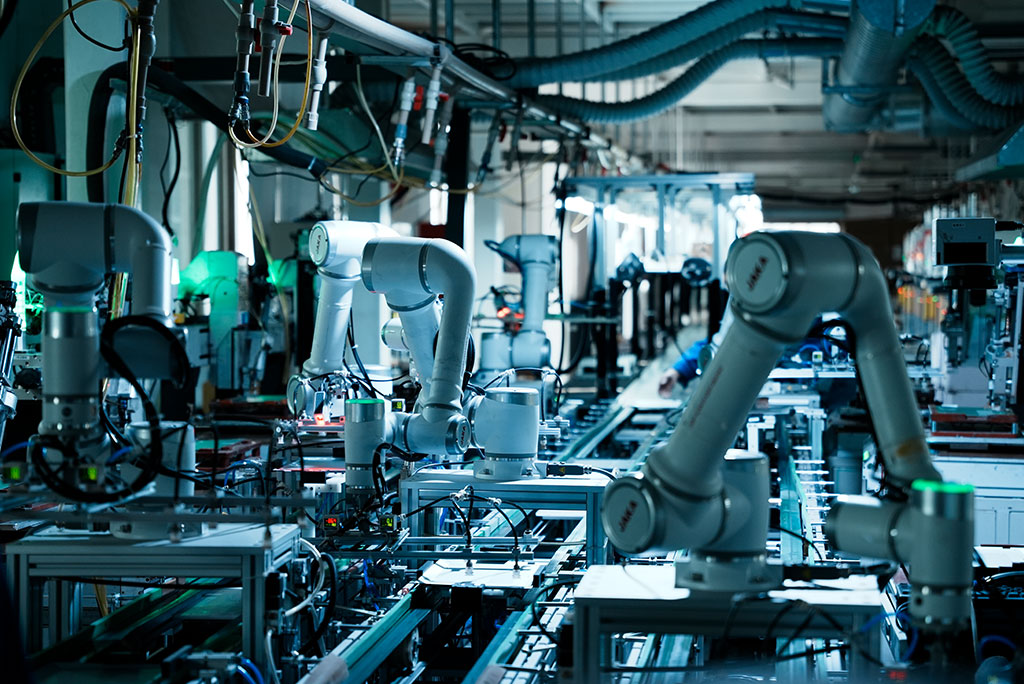
Traditional Solutions vs. New Technology
Polishing has traditionally relied on manual labor, leading to inconsistencies in quality and increased operational costs. I vividly remember an instance from a few years back in an automotive parts factory I consulted for. Despite having dedicated workers, they faced long lead times and regular complaints about surface defects. The implementation of polishing robots not only reduced errors but also enhanced output significantly. In fact, factories reported up to a 40% improvement in quality control after integrating robotic polishing solutions.
Why Embrace Polishing Robots?
Using a cobot arm for polishing eliminates many challenges associated with manual processes. These robots ensure uniform finishes, minimize waste, and can operate extended hours without fatigue. This technology allows staff to focus on complex tasks that require human insight and innovation. Besides, I can’t emphasize enough—these robots can adapt to various materials, meaning versatility is their middle name!
What’s Next for Polishing Technology?
Looking forward, the potential of integrating AI with polishing robots is nothing short of exciting. With advancements such as machine learning, we could witness robots that not only polish but also analyze surface quality in real-time. These robots will become more intelligent and capable of optimizing their techniques based on previous outcomes. Companies using this technology are likely to see a 25% reduction in production times—a game-changer, if you ask me.
Impact of Automation on the Work Environment
Let’s not overlook the human side of this transformation. As polishing robots like the cobot arm continue to be integrated into workplaces, staff will need to upskill and adapt to oversee these advanced systems. The shift may feel daunting, but it positions workers to take on more strategic roles. The humor in all of this? You might find yourself saying, “I thought I could escape the grind, but here I am managing robots!”
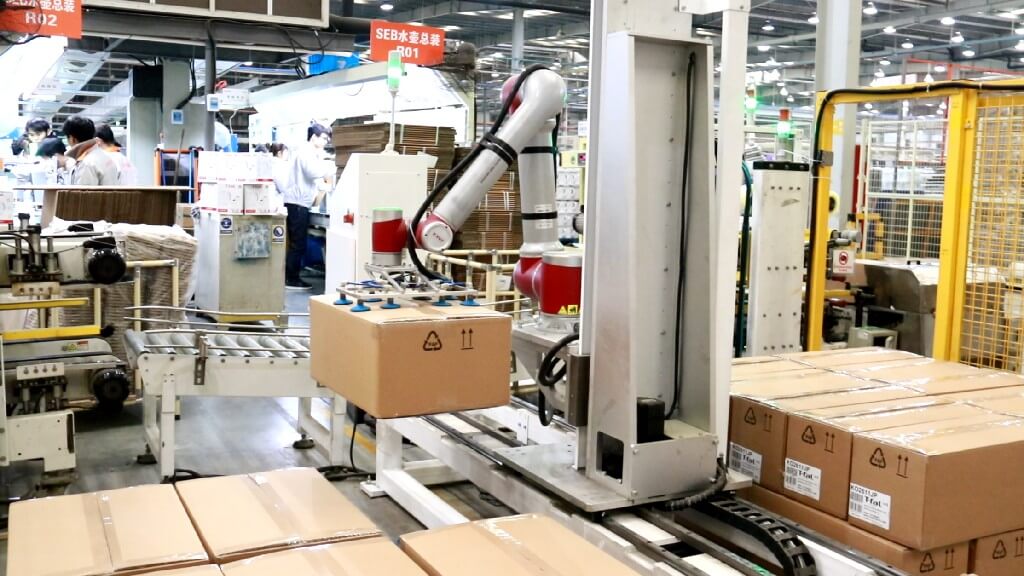
Lessons Learned and Key Takeaways
Through my years of experience observing industries transitioning from manual to automated polishing processes, three key insights stand out:
- Evaluate how much time and money polishing robots can save you versus traditional methods.
- Analyze the quality consistency achieved with robotic solutions over manual labor.
- Invest in training your team to effectively oversee and maintain these technologies.
As we step into a new era of industrial automation, remember that embracing change, like introducing a polishing robot, can redefine your operational excellence. Always stay ahead of the curve—after all, technology waits for no one. Keep exploring the possibilities with JAKA.