
Introduction
I was standing in the hardware aisle, squinting at paint, when a friend said, “I swear these lines showed up between paychecks.” Forehead wrinkle filler popped into the chat like a neighbor with jumper cables, right on time. Recent clinic surveys say most folks notice brow lines by mid-30s, and a big share try quick fixes that don’t last. So here’s the rub: are we just smoothing the surface, or are we solving the right layer (bless its heart)? If the real issue sits under the skin, why are we still trusting surface tools? That’s the question I keep turning over, and I reckon y’all do too. We need plain talk, solid facts, and a plan that holds up on busy mornings and bright lights alike. This isn’t vanity—it’s practical upkeep for the face you show the world. Ready to see what actually works, and why? Let’s peel back the layers.
The Everyday Problem: Why Lines Keep Coming Back
Be honest: how many times have you tried a new cream, felt soft for a week, and then the groove returned like a well-worn trail? Those lines come from a mix of muscle pull, thinner skin, and less collagen. Sunscreen helps. Retinol helps. Water helps. But they work slow, and they can’t refill space that’s already lost. That’s why some fixes feel like bailing water with a leaky bucket. Your forehead moves a lot. Every lift or frown folds the same area, and the skin learns that fold over time—funny how that works, right?
There’s also a comfort myth: “If I’m careful, the lines won’t deepen.” Care is good, sure. But the forehead is a high-traffic zone. The frontalis muscle is always working, and the skin above it gets thin with age. Creams can’t reach the structural layer. They don’t change the support under the fold. So even when you see a glow, the groove can sit there, stubborn. That gap between “looks smoother” and “actually filled” is where choices matter. It’s not about doing more; it’s about doing the right thing for the right layer.
Deeper Layer, Better Logic: Why Fillers Target the Real Gap
What’s actually happening under the skin?
As we said up top, the surface tricks don’t fix the space beneath. That’s where forehead filler earns its keep. Look, it’s simpler than you think. Most modern gels use hyaluronic acid (HA), a molecule your body knows. When placed in the right injection plane, an HA gel restores volume where the fold has formed. The key is material behavior, or rheology. G prime (G’) tells you how firm a gel is under stress. A higher G’ can hold shape in a moving area. Cohesivity shows how well the gel sticks to itself so it doesn’t spread too far. That balance helps the forehead move but not crease as deep.
Cross-linking makes HA last longer. Different cross-link styles change how the gel flows and settles. A well-matched filler won’t puff or wander; it supports the groove with control. And let’s not forget technique. A soft, layered approach with a cannula can reduce bruising and keep the gel where it should live. If Part 1 showed how surface care hits a wall, this is the door through it: replace the lost support, then let muscles and skin play nicer together.
Forward Look: Smarter Gels, Clearer Choices
What’s Next
Here’s where the road points. Newer HA designs aim for tunable rheology—gels that act soft at rest but firm up under motion. Think flexible support, not rigid fill. Ultrasound mapping is entering routine care, too, so clinicians see vessels and tissue planes in real time. That means safer placement and less guesswork. Compare that to old “one-size-fits-all” picks: yesterday’s thick gel could look sharp in a cheek but feel stiff in a forehead. Today, pairing material with movement matters more. And yes, the phrase you’ll keep hearing is suitability. Not the fanciest, but the best matched. For many, the best filler for forehead lines is the one that balances G’ with cohesivity, behaves well in a thin tissue bed, and still lets your brows talk—without shouting.
Real-world? Picture a teacher in her 40s who lifts her brows a lot while explaining lessons. A high G’ cheek filler would be wrong up top—too firm for that dance. A medium G’, high-cohesivity HA laid in microthreads can soften the groove yet flex with class—you know, chalk dust and all. Add a touch of neuromodulator to ease overpull, and you’ve got longevity without the “frozen” look. Small doses. Layered. Checked at two weeks. — and it sneaks up on you. Folks notice you look rested, not “done.” When comparing options, don’t chase the loudest claim. Aim for the most balanced plan. In short: precise product, precise plane, precise amount. If you keep those three, results add up and downtime stays low.
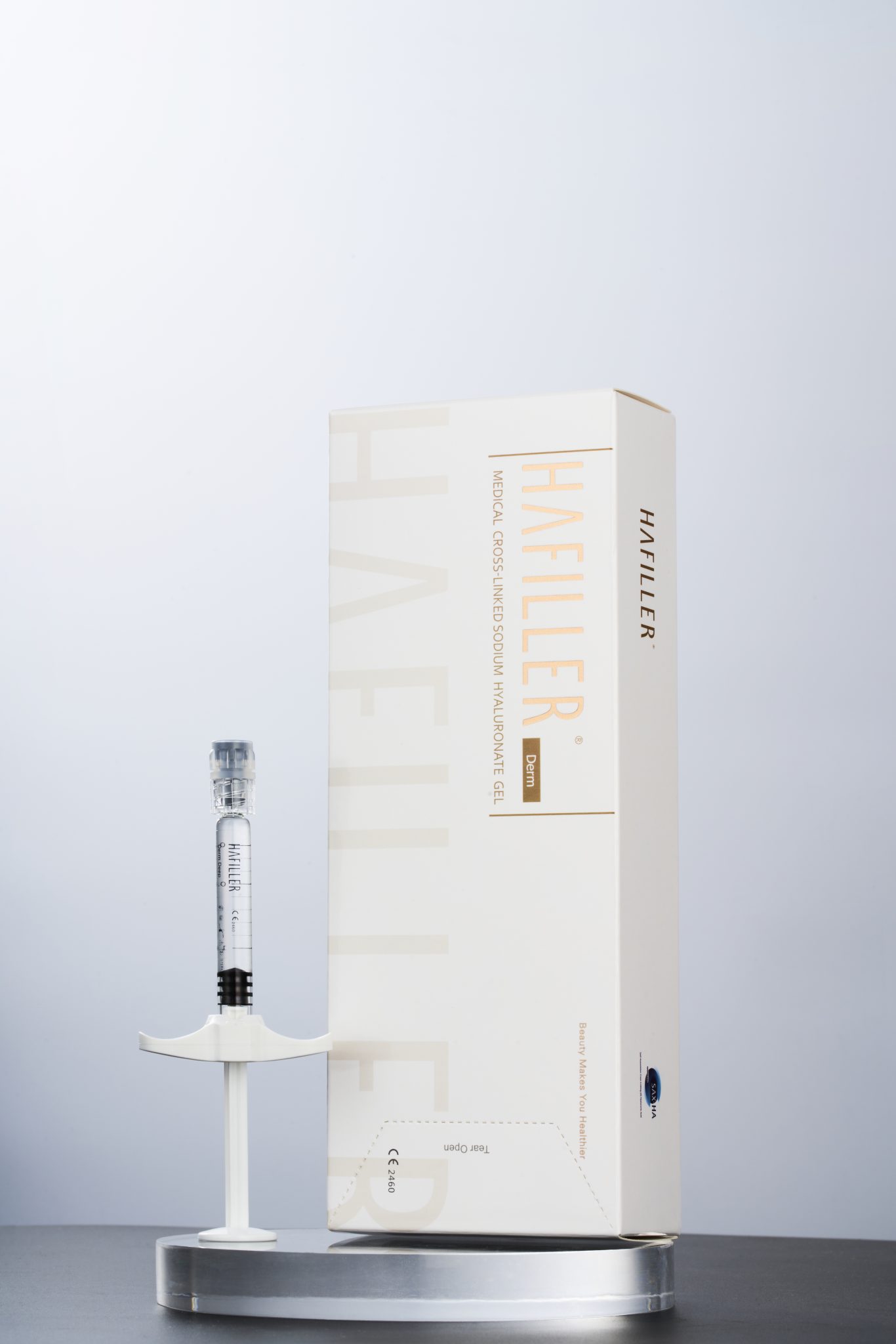
Before we close, here are three metrics to judge any plan. One: material fit, measured by G’ and cohesivity suited to a mobile, thin-skinned area. Two: placement strategy, meaning a clear map of injection plane and volume per pass, with safety steps like aspiration or ultrasound. Three: durability-to-motion ratio, or how long it lasts relative to how natural it looks in daily movement. Meet those, and you’re on the right track. For steady, informed choices in this space, see HAFILLER.