
Introduction
I remember walking into a small shop one rainy morning and watching a team breathe life into a rusty mill that had been limping along for years — they were half laughing, half relieved. The next day they called three different vertical machining center manufacturers and scheduled demos; within a month they cut cycle time by roughly 30% on repeat parts (their numbers, not mine). As a systems-minded person who likes clear pipelines and repeatable automation, I started to ask: what really separates a machine that just runs from one that transforms a shop? How do procurement choices, controls integration, and vendor support add up to measurable uptime?
I’ll share what I learned (and what I still test), focusing on pragmatic steps and honest trade-offs. Expect talk of spindle speed tuning, axis control strategies, and a bit about how CI/CD-style iteration applies to machine tool setup. This isn’t marketing copy — it’s a conversation about practical gains, hands-on choices, and the small automation wins that compound. Let’s unpack the problems we see most often and then map to real options for improvement.
Part 2 — Where Traditional Choices Fail (Deep Dive)
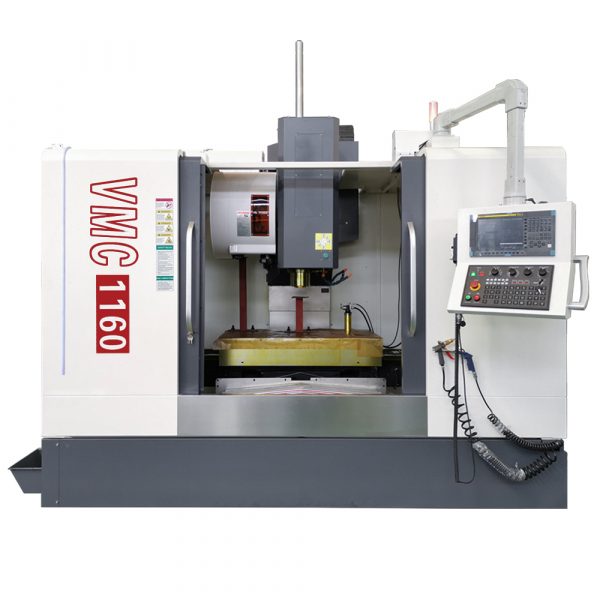
vertical machining center for sale listings often look similar at first glance: similar power ratings, similar tooling options, similar spec sheets. But the hidden cost comes from integration gaps — controls that don’t speak the same language, tool changers that slow changeover, and spindle speed ranges that aren’t matched to the workpiece material. Technically speaking, poor axis control tuning, underspecified servo motors, and brittle CAM post-processors create ripple effects: scrap, rework, and unpredictable cycle times. I’ve seen shops buy on headline specs alone and then wrestle with repeatability issues for months. Look, it’s simpler than you think: a spec sheet is a start, not the whole story.
What are we missing?
Two common pain points stand out. First, vendor support that treats installation like a one-off rather than a continuous integration problem — no monitoring hooks, no versioned tool libraries, no rollback plan. Second, assumptions about tooling and fixturing that inflate throughput expectations: the best spindle speed in a brochure doesn’t help if the tool changer adds 10 seconds per tool swap or if coolant delivery is inconsistent. Those small mismatches accumulate. From a controls perspective, I pay close attention to servo motor sizing, resonance damping, and the quality of the encoder feedback — those determine whether you get smooth surface finish or chatter. Adding edge computing nodes for local monitoring and simple power converters to stabilize supply can cut mean time to detection dramatically. In short: specifications matter, but integration and live tuning matter more.
Part 3 — Future Outlook and Practical Choices
Looking ahead, I focus on case examples that show where real gains come from. One mid-sized shop I worked with moved from a reactive maintenance model to a short feedback loop: they partnered with a cnc vertical machining center supplier who offered remote diagnostics, standardized G-code templates, and weekly update cycles. Within three months they reduced setup variance and tightened tolerances on serial parts — not because the machine was radically different, but because the supplier treated installation like an iterative project. That case highlights a shift: vendors who provide automation-friendly toolchains and monitoring APIs win, and so do shops that demand them.
What’s Next — Practical adoption steps?
Here’s my semi-formal take: prioritize vendors that offer open interfaces (for your MES and CAM), clear service SLAs, and a roadmap for firmware updates. Demand a short proof-of-concept run, insist on documented spindle speed windows and optimized tool changer cycles, and validate axis control performance under load. — funny how that works, right? Don’t be shy about asking for telemetry access; the data tells you where to tune. — it’s satisfying to see numbers align with intuition.
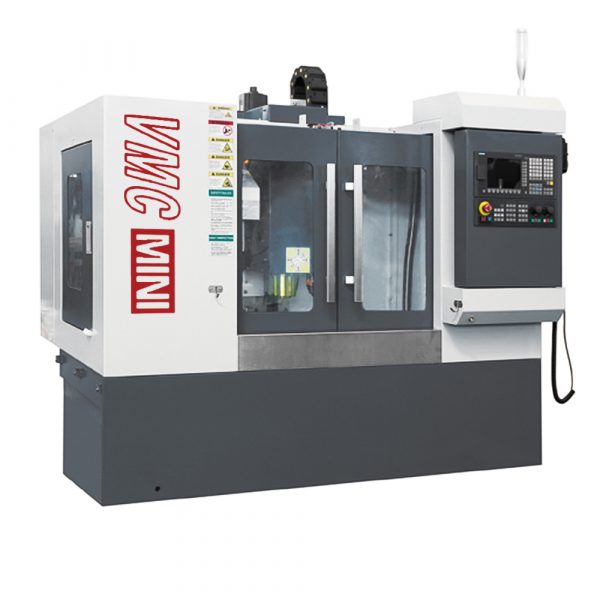
To close, I’ll give three concrete evaluation metrics I use when deciding which systems to buy: 1) Integration readiness — are there APIs, remote debug tools, and a plan for updates? 2) Real-world throughput — verified duty-cycle tests with your tooling and fixtures, not vendor-ideal conditions. 3) Support cadence — guaranteed response times, training offerings, and an agreed improvement plan. Those three cut through noise and help you pick a machine that grows with your shop. For reference and vendor options, I keep an eye on partners like Leichman when I’m mapping real procurement choices.