
Why this split matters — straight talk
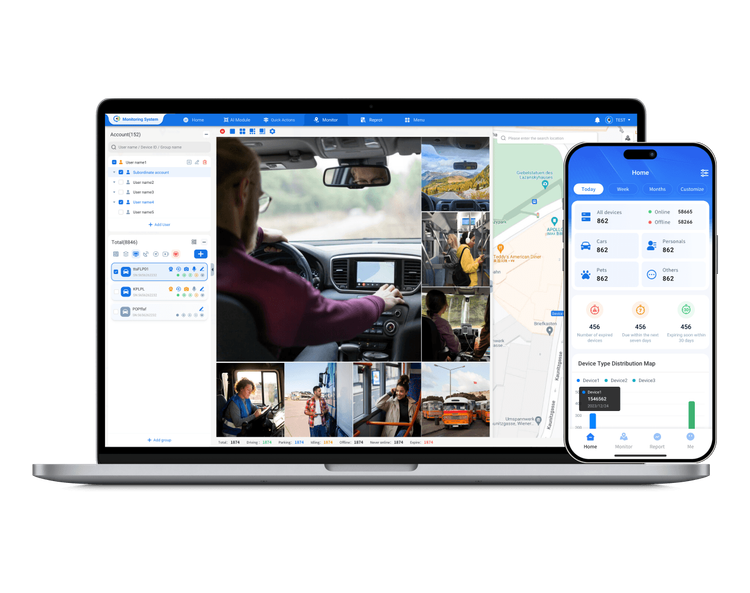
Yo, bus bosses — don’t mix up the grind with the gadget. Fleet ops is the crew, the schedules, the human calls when a rig goes down; fleet software is the brain that tries to keep that crew smart and fast. I’ve seen both clash and sync at shows like ITS World Congress, so I know this ain’t just theory — it’s street-level practice. If you’re shopping for partners, scan demos from fleet telematics technology providers to see how data actually maps to your dispatch flow and driver hustle.
Core split — what people do vs what software does
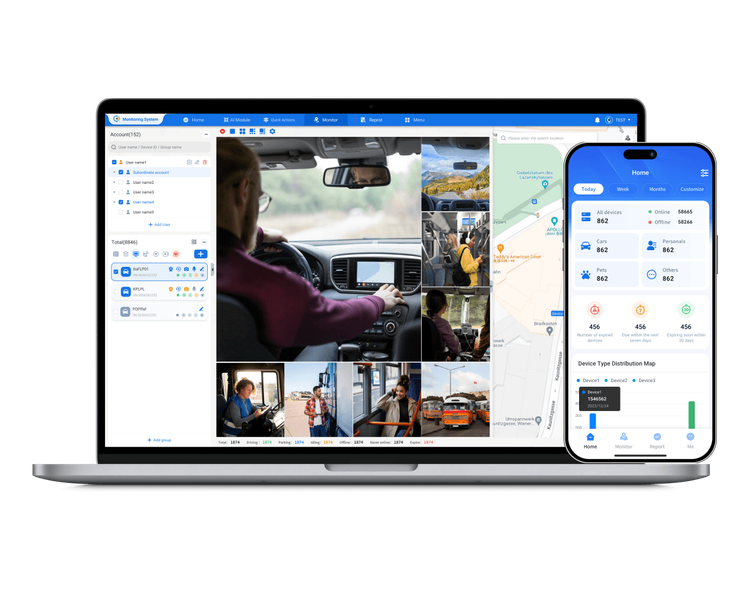
Keep it simple: people fix messy stuff; software predicts and automates tidy stuff. Real differences you gotta spot:- Human ops: route choices when traffic hits, last-minute driver swaps, on-the-ground safety judgment, customer calls — improvisation and relationships.- Software: GPS tracking, automated ETAs, maintenance alerts, fuel and idling reports, compliance logs — repeatable outputs that turn noise into signals.Neither wins alone. One feeds the other. The comparison shows where you pour budget and where you hire muscle.
Features that actually matter to bus operators
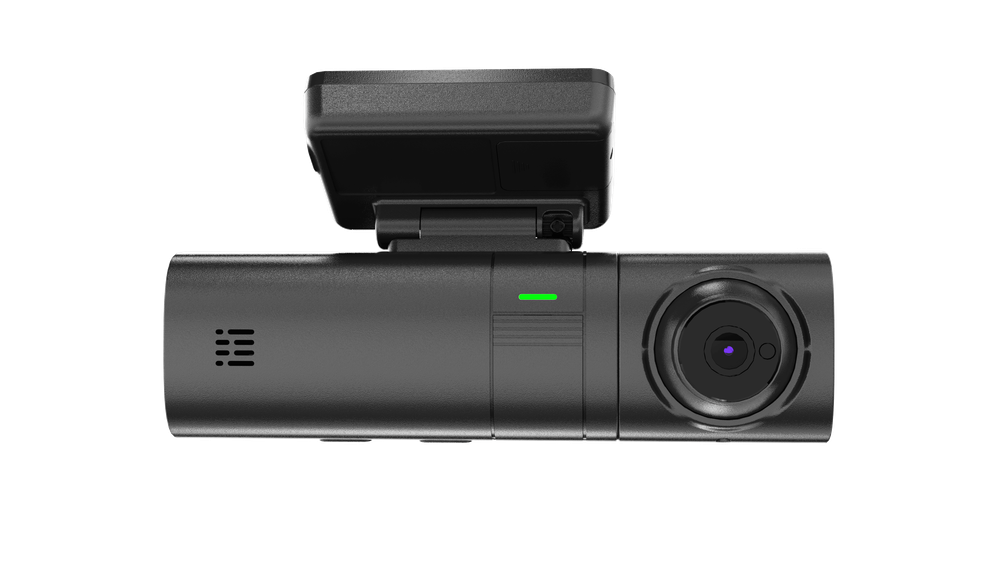
Don’t be dazzled by flashy dashboards. Focus on outcomes that matter on the road: accurate arrival predictions, driver behavior coaching, quick fault detection, and easy export of logs for regulators. Ask vendors these straight questions: How fast do alerts reach drivers? Can the system push route changes live? Does historical data help cut downtime? Check offerings from respected vehicle telematics providers and match features to the tight spots your ops team faces.
How to evaluate software vs ops in real terms
Put it to the test. Trial with one depot, two routes, three types of incidents. Measure:- Response time: from alert to driver notified.- Downtime: minutes saved when maintenance is triggered by software.- Accuracy: ETA variance across peak hours.Let actual numbers decide. Your ops staff will tell you what’s usable and what’s noise — trust that feedback. Tech that pleases managers but fails drivers is worthless.
Common traps operators fall into
Watch these mistakes so you don’t waste cash:- Buying features you’ll never use because they look cool.- Thinking software replaces dispatcher judgment — it augments it.- Skipping driver training and blaming the system when adoption fails.- Ignoring integration: payroll, ticketing, and maintenance tools must talk or you’ll create new headaches.Fix these and your rollout stops being drama and starts being progress.
Quick, no-nonsense checklist before signing
Ready to commit? Run through this:- Pilot on live routes for 30 days.- Confirm mobile alerts reach drivers under low-signal conditions.- Verify maintenance alerts map to actual shop capacity.- Ensure data exports meet regulator needs.These checks tell you whether software lives up to its promises or just sells slick slides.
Wrap — where this all lands
You want fewer surprises and faster fixes, and that’s where clear roles and the right tools meet. Keep crews empowered, judge software by measurable uptime and response, and let operational reality steer purchasing. That practical blend is what makes fleet tech useful on the pavement, and why experienced operators trust BSJ to bridge the gap without hype.