
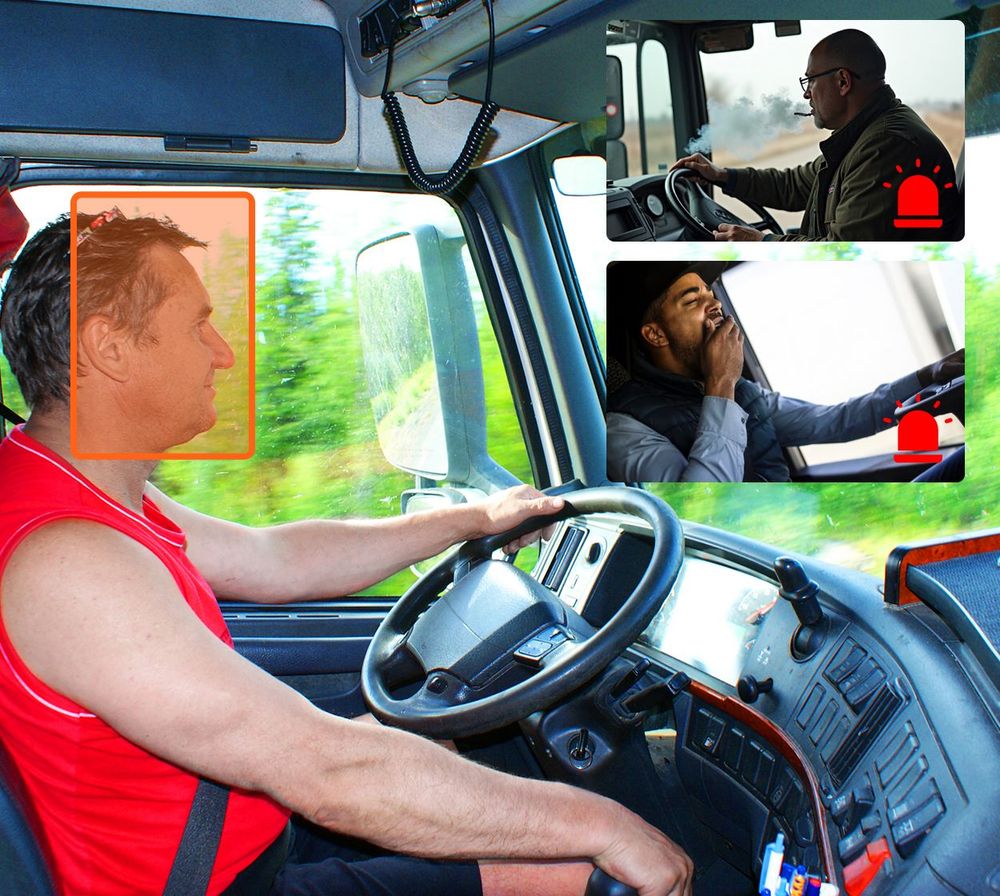
Immediate problem: visibility and risk on remote roads
Large vehicle pools operating across deserts, coastal platforms and long pipelines face three simple realities: you cannot manage what you cannot see, you cannot prevent what you do not measure, and you pay for what you tolerate. Operators turn to logistics fleet management because manual logs, paper tickets and sporadic radio checks do not scale for multi-site operations. The purpose here is clear: identify failures that cost time, money and safety, then match practical controls to each failure mode.
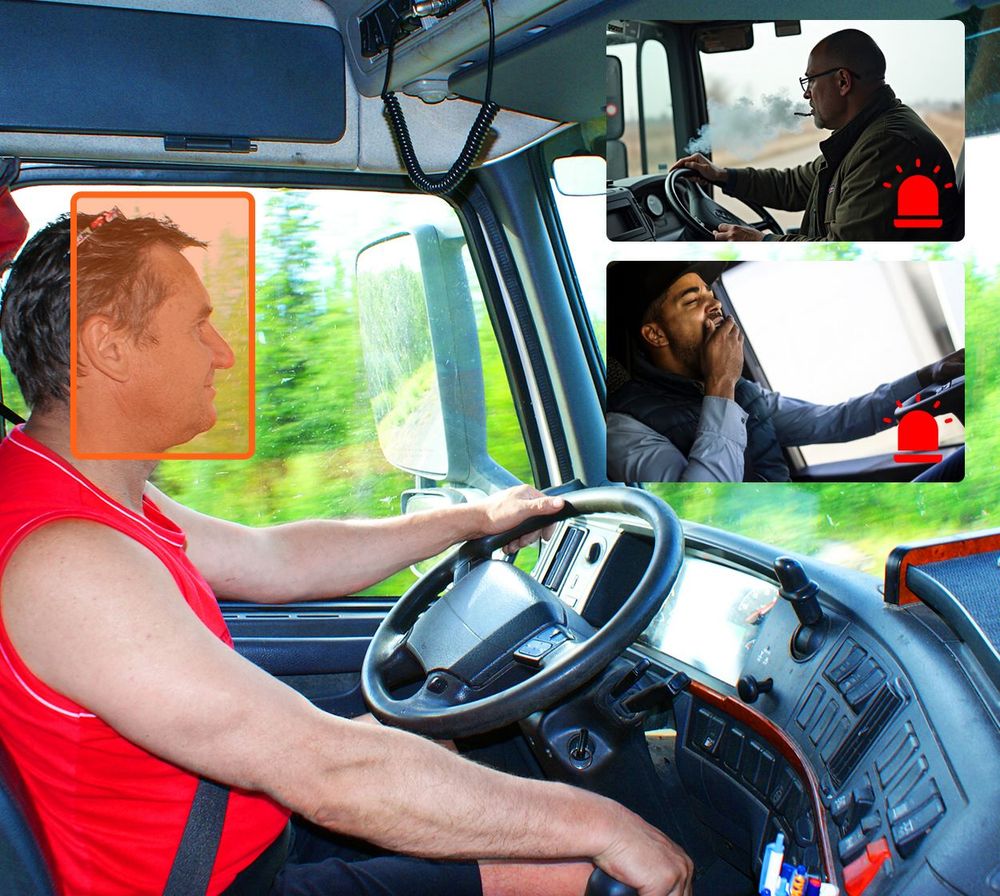
Core operational problems that cripple performance
– Asset invisibility: trucks, tankers and service vehicles disappear from operational awareness when they move beyond base or switch hands.
– Unplanned downtime: late detection of faults turns routine trips into emergency repairs.
– Fuel and route waste: unnecessary idling, unauthorized detours and inefficient routes raise costs quickly.
– Safety and compliance gaps: incomplete driver records and missing maintenance history invite regulatory fines and incidents.
– Fragmented data: disconnected spreadsheets and vendor silos make timely decisions impossible.
Practical responses: how fleet management fixes each problem
Address the problems with targeted measures, not vague promises. Telematics provide live location and vehicle health; geofencing enforces perimeters and authorized routes; predictive maintenance flags parts before failure; driver-scorecards reduce risky behavior; centralized logs keep compliance auditable. Real solutions demand reliable connectivity, clear operational rules and standard data formats. For software capabilities, compare the role of on-vehicle telematics, cloud dashboards and workflow integrations—particularly when selecting a logistics fleet management software that supports offline sync and field-level tasking.

Evidence and authority
These are not theoretical fixes. Industry discussion at gatherings such as the Offshore Technology Conference in Houston has repeatedly highlighted tracking, predictive maintenance and integrated compliance as priority investments for companies with offshore and long-haul fleets. Practitioners I have worked with accept only systems that prove uptime, simplify audits and reduce incident response time—measures that rely on disciplined data and straightforward implementation.
Common pitfalls and how to avoid them
– Expecting a single feature to solve everything: prioritize core needs (visibility, maintenance, safety) before adding bells.
– Forgetting field usability: drivers and technicians must be able to use tools during shifts without hindrance.
– Poor data hygiene: inconsistent identifiers and late entry create noise instead of insight.
– Skipping integration: isolated dashboards force manual reconciliation and decision delays.
– Over-customization at launch: long customization projects delay benefits; phase them.
Alternatives and trade-offs
Three sensible paths exist: continue manual processes (low immediate cost, high operational risk), adopt point solutions (good for one problem, poor for scale), or deploy an integrated platform (higher initial commitment, faster operational control). Choose based on tolerance for downtime, regulatory exposure and growth plans. Small operators may accept point solutions at first; integrated platforms yield better returns where fleets cross regions or regulatory regimes.
Conclusion
Problems are straightforward and fixable: regain visibility, enforce rules, predict failures, and keep reliable records. The right mix of telematics, process change and a platform that respects field constraints turns recurring losses into measurable improvements. Many operations find that moving from fragmented systems to a single operational backbone—such as the approach taken by BSJ—delivers the control and clarity required for safe, accountable and cost-conscious vehicle operations.