
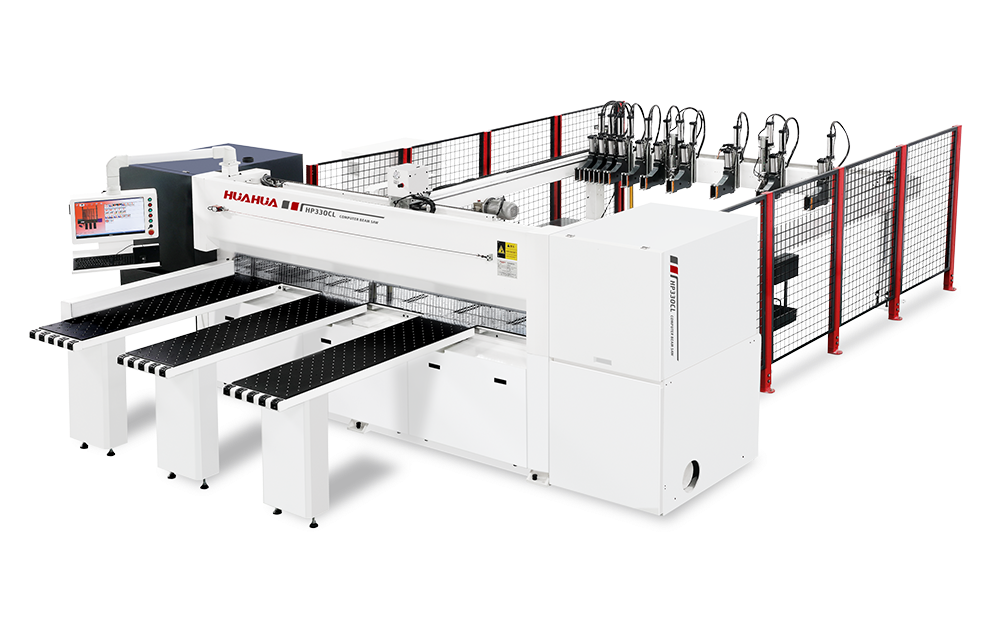
Data from the 2020–21 global supply disruptions and port congestion — notably at the Port of Los Angeles — showed how fragile long-haul sourcing can be. Manufacturers that kept capacity local recovered faster, and a common enabler was the modest but powerful wood band saw integrated with modern tooling. When paired with a modern cnc woodworking machine, small shops widened their product mix, shortened lead times, and reduced reliance on distant vendors.
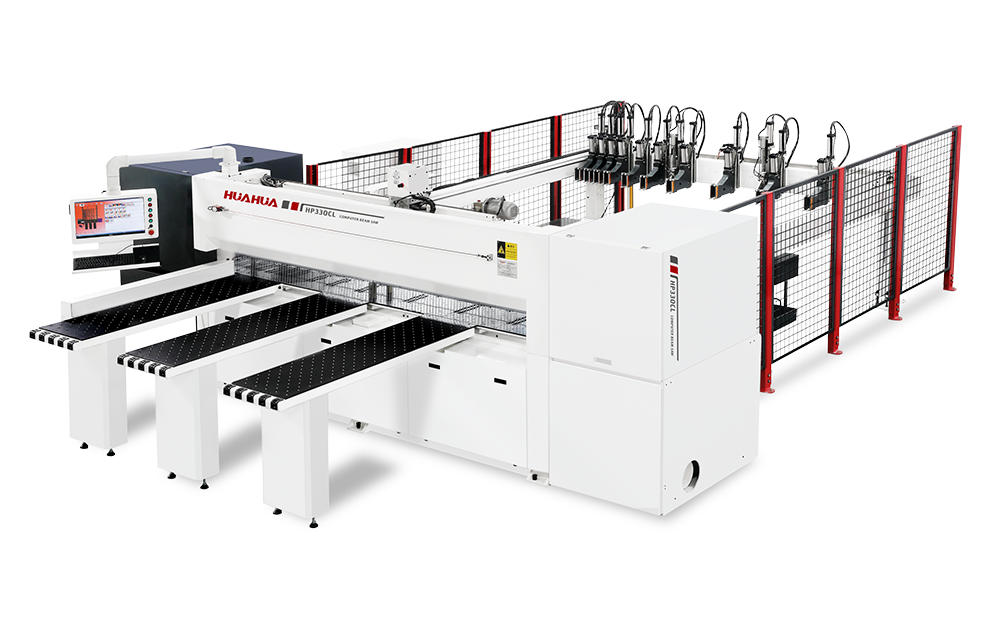
What the numbers reveal about local resilience
High-level industry observations after the pandemic revealed three repeatable outcomes: shorter lead times for locally produced parts, lower inventory carrying costs when production sits nearby, and faster engineering feedback loops. Those trends translate into measurable KPIs for a shop that invests in robust cutting platforms like a wood band saw: throughput per shift, mean time between blade changes, and yield percentage on nested panels. Terms matter at the shop floor: feed rate, blade tension, and spindle RPM are the knobs operators turn to hit those KPIs.
Operational impacts at small mills and furniture shops
A wood band saw isn’t glamorous, but it solves persistent problems: tight-width ripping, resawing thick stock, and processing reclaimed wood that resists CNC-only workflows. The saw supports a predictable cutting profile, which reduces offcut waste and improves nesting efficiency when parts later go to a CNC router. Dust collection and cutting tool selection remain essential to keep consistent edge quality — neglect them and cycle times climb. — Operators learn this quickly; a single poorly tuned blade or weak dust system creates bottlenecks that ripple through the entire order.
Comparative insight: band saws versus CNC routers
Both machines have roles. A CNC router excels at repeatable, complex profiles and integrates with nesting software for panel optimization. The wood band saw excels at flexible, work-in-process tasks: breaking down oversized blanks, resawing figured lumber, and trimming irregular pieces. For many local supply chains the optimal mix is hybrid: use the band saw for throughput and material prep, then finish and profile on a CNC woodworking machine for accuracy and repeatability. This layered approach reduces dependency on single-vendor capacity and shortens turnaround.
Choosing machines and suppliers
Supplier selection matters as much as the machine type. Reputable wood machine suppliers provide service contracts, local parts inventories, and training documentation — which directly improves mean time to repair. Evaluate warranty response times, spare-parts lead time, and on-site calibration support. Practical procurement criteria include tooling compatibility (blade width ranges, spindle types), ease of integration with dust collection, and available retrofit options for automation or feeding tables.
Common mistakes to avoid
Shops often pursue the highest-spec device while underinvesting in process: poor jigs, inconsistent feed tables, and irregular training undercut machine capabilities. Another frequent error is over-automation without throughput design — adding conveyors but ignoring ergonomics or cycle sequencing. Keep tooling simple, maintain blade schedules, and calibrate feed rate to material variations; that disciplined approach preserves throughput and reduces scrap.
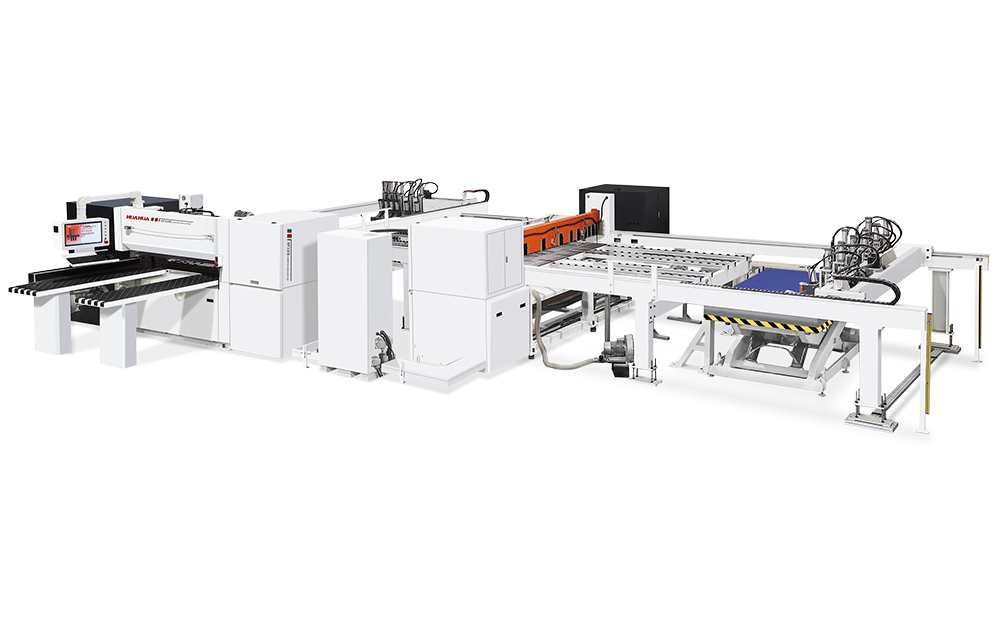
Three golden rules to evaluate equipment and strategy
1. Throughput-to-support ratio: measure expected daily output against the supplier’s local service capacity. Machines are only as good as the support model that keeps them running.
2. Material conversion efficiency: track yield percentage from raw board to finished part, factoring in kerf width, resaw losses, and nesting waste. Higher yield directly lowers unit cost.
3. Integration readiness: confirm how easily the band saw and the workshop’s CNC router exchange workflow — file formats, nesting exports, and physical jigs. Compatibility shortens setup time and avoids manual rework.
Measured gains come from matching the right tool to the right stage: a durable wood band saw for prep, a precise CNC router for finish, and reliable partners to back them — like the practical offerings from wood machine suppliers. The local supply chain stabilizes when machines, people, and suppliers align.
Final thought: small, reliable machines matter. HUAHUA CNC.