
Why these questions matter
If you’re choosing equipment for a production line, you want practical answers, not marketing talk. Start with what matters to your shop floor: consistent nugget size, repeatable current, and easy maintenance. Look for suppliers who discuss real welding practice and can show measured results from their resistance welding solutions. Ask the right questions up front and you avoid surprises later.
1. What are the transformer’s rated current and duty cycle?
Get concrete numbers: continuous/short-time ratings, peak current, and how long the unit can run at each level. Match their ratings to your weld schedule—repeat short, high-current jobs need different duty specs than long, lighter runs. If they hedge, you need clearer specs or a different vendor.
2. How do you demonstrate welding performance and process control?
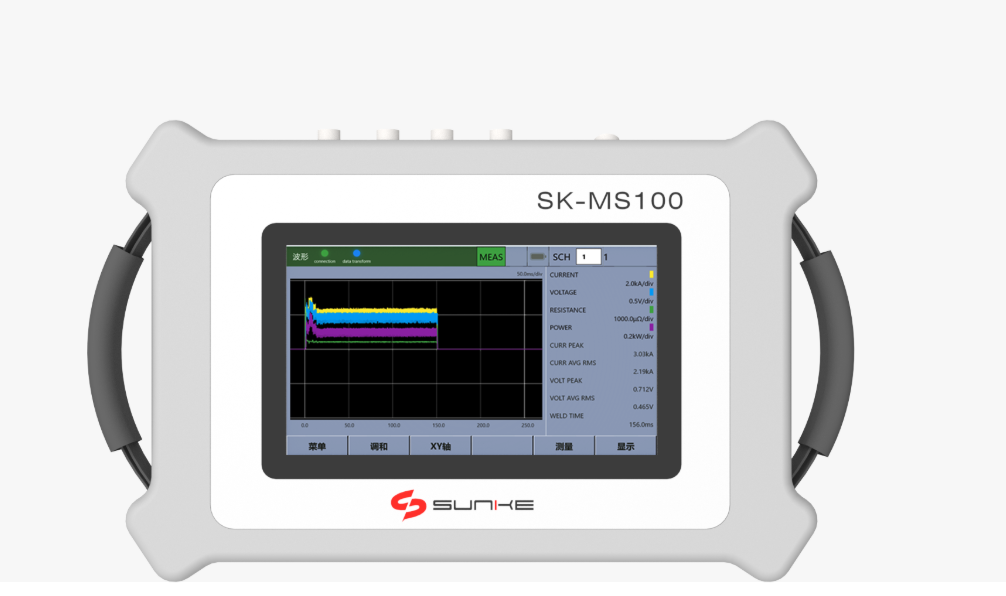
Request sample weld logs, oscilloscope traces, or production reports that show actual amperage and time under load. Ask how they monitor and control current on the line; a reliable resistance welding manufacturer will explain feedback loops, sensing points, and what limits they set to protect electrodes and workpieces.
3. Which cooling and thermal-management methods are used?
Cooling matters a lot. Air-cooled units are simpler but limited; water or forced-oil cooling supports higher duty cycles. Ask about flow rates, maintenance intervals, and what sensors alarm on low coolant. You want a design that keeps transformer temperature steady during your busiest shifts.
4. How accessible are service parts and field support?
Find out where spares come from and typical lead times for replacement coils, bushings, and control boards. Ask whether on-site diagnostics are possible and if the manufacturer offers training for your maintenance crew. Clear answers here reduce downtime risk.
5. What safety and insulation standards does the unit meet?
Confirm compliance with recognized standards (IEC, ISO) and protective measures: ground-fault detection, overcurrent trip settings, interlocks, and insulating barriers. Ask for test certificates and clear descriptions of protective functions—don’t accept vague assurances.
6. How modular or customizable is the design?
Check if they offer tap changers, multiple secondary outputs, quick-swap electrodes, or adjustable core sizes. Custom options matter when your part mix changes. You want a transformer that adapts without a full redesign.
7. What testing and factory acceptance do you provide?
Insist on factory acceptance tests (FAT) with your parameters, plus documented results. I once verified FAT records after a factory visit in Ho Chi Minh City and saw how on-site demonstration revealed needed wiring changes before shipment—real proof saves rework. Ask whether they simulate your stack-up and bring consumables to the test.
8. What are typical lead times and production capacity?
Ask for realistic timelines and batch capacity. A manufacturer who can scale production and meet your peak demands without repeated delays is worth noting. Get commitment on delivery windows and penalties or remedies if they miss them.
9. What warranty, failure rates, and maintenance intervals do you offer?
Get warranty length, covered items, and what triggers voiding. Request historical failure rates for similar models and recommended preventive maintenance steps with intervals. Concrete uptime expectations help you plan stocking and staffing.
10. How do you calculate total cost of ownership and energy use?
Ask for expected efficiency at your typical load, losses under load, and any recommended measures to reduce energy waste. Compare not just purchase price but expected consumables, service, and electricity. A simple life-cycle comparison beats sticker price decisions.
Quick checklist before you sign
– Demand measured performance data for your part and schedule. – Require FAT with your parameters and consumables. – Verify spare-part sources and realistic lead times. – Confirm safety features and documentation from recognized standards. – Clarify warranty scope and field support options.
Final thought
Ask for measurable proof, insist on clear maintenance paths, and match specs to how your line actually runs. The right questions expose gaps fast and make vendor claims verifiable, which is what keeps production steady and predictable—so your equipment choice truly supports the work you do with Sunke.