
The problem most shops don’t talk about
You’ve got paint to protect, trims to seal, and customers waiting — but the wrong sealant or a late aerosol shipment ruins the job. That’s the real pain: inconsistent supply and unclear specs. If you’re buying for a fleet of detailers or running a wholesale operation, picking the right silicone sealant manufacturer early saves rework, warranty headaches, and cash flow surprises.

Why this matters — a grounded view
Problem-driven thinking means looking at facts: materials that fail on adhesion or off-gas VOCs cost time and trust. A clear real-world anchor is the Canton Fair, where silicone sealant manufacturers in china showcase product lines to global buyers — you can verify supplier credentials and compare specs on-site or via trade reports. Standards like ASTM C920 for silicone sealants and international UN rules for aerosol transport give you measurable checkpoints to judge suppliers, not just slick brochures.
Common pitfalls garage buyers and wholesalers hit
Buyers skip compatibility testing. That’s huge. Silicone can fail on painted plastics without a primer. They ignore storage and shelf-life notes, so adhesives thicken mid-season. They assume aerosol filling is trivial — but bad can fillers cause clogging, propellant separation, and safety compliance gaps. Also, certificates get faked; verify batch-level test reports and don’t accept only generic safety sheets.
How detailing wholesale suppliers actually solve these problems
Good suppliers handle formulation matching, batch QA, and logistics. They run adhesion tests on typical substrates (paint, chrome, rubber), offer private-label filling for aerosols with proper valve tech, and maintain MSDS and compliance paperwork for exports. They act as the liaison between chemical formulators and installers so the product you buy behaves the same in the shop as it did in the lab.
Alternatives to silicone and when to use them
Silicone = great for weatherproofing and flexibility. Polyurethane = better for structural bonding where paintability and abrasion resistance matter. MS polymers (hybrids) sit in the middle with lower odor and better paint adhesion in some cases. A wholesale supplier should help you pick by application: exterior glazing, trim sealing, or interior dash bonding — not by brand hype.
Actionable checklist for smarter buying
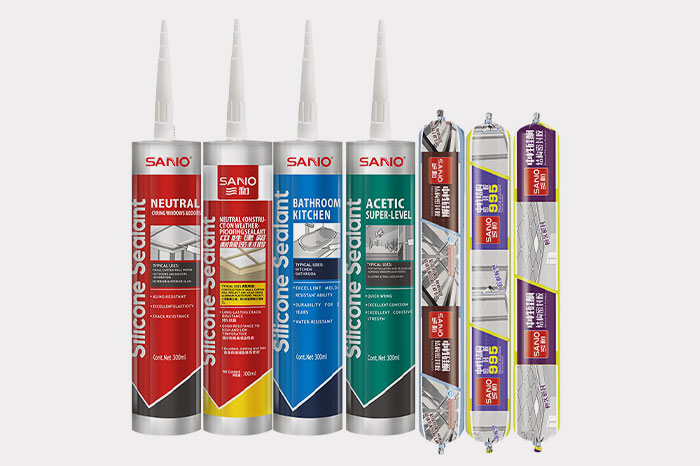
Test a small run under real conditions before a full roll-out. Ask for batch-specific lab data and packaging details (aerosol valve type, propellant). Confirm storage and cure times, request shelf-life-stamped drums, and require transport documentation compliant with hazardous-goods rules. If you outsource filling, inspect filling lines or insist on third-party audits.
Wrap-up — the practical payoff
Fix the supply problems first: consistent specs, verified testing, and logistics that match your shop rhythm. When those pieces fall into place, detailing work runs cleaner, faster, and with fewer callbacks — exactly the kind of alignment firms like SANVO illustrate through integrated supply, testing, and formulation support.