
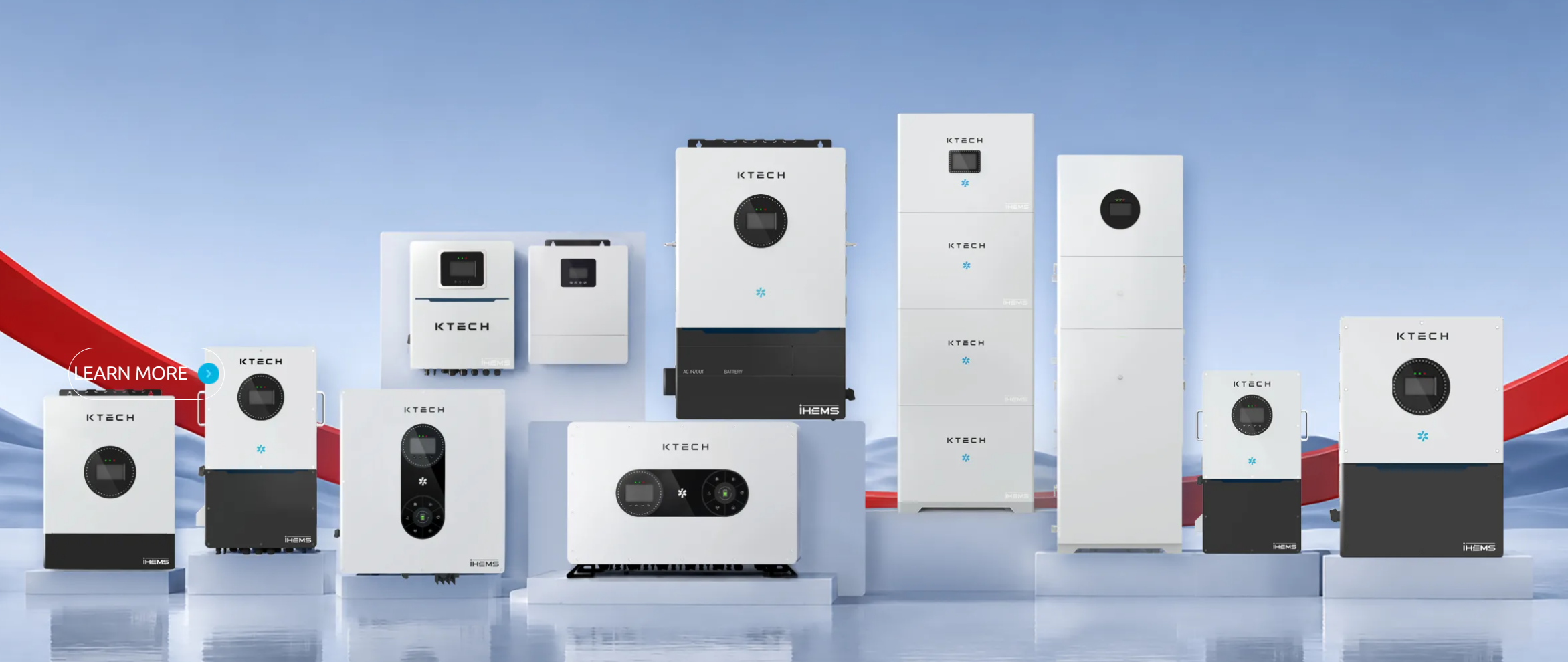
A quiet evolution, told simply
I have watched power shift from single-purpose gear toward devices that balance grid, battery and sun—what engineers now call the hybrid inverter. At trade gatherings like Intersolar Europe in Munich manufacturers side-by-side reveal how designs matured; there I spoke with installers and a notable hybrid inverter manufacturer about reliability and installation realities. The tale below follows that slow refinement: purpose born of need, shaped by product, tempered by limits.
How the hybrid came to be
Systems once separated conversion (inverter), storage (charge controller), and management (controller). Failures and practical constraints nudged designers toward consolidation. The hybrid arrived when inverters learned to:- accept direct battery input,- negotiate grid import/export,- and host basic energy management logic.This is an evolution driven by installers’ requests for fewer boxes on the roof and by homeowners asking for simpler, more predictable energy behavior.
Core capabilities, in plain terms
Look for these functions when you evaluate a hybrid:- AC–coupling and DC–coupling options so the unit fits new or existing arrays,- battery chemistry support and configurable charge algorithms,- seamless transfer during outages (backup mode),- built-in metering and export control for self-consumption,- configurable priority: battery, load, or grid.These are not poetic features but practical tools; they define whether a particular unit suits a site.
Where hybrids prove their worth
On real roofs they deliver three clear advantages:- space and wiring reduced: one enclosure replaces several,- smarter self-consumption: the inverter can charge batteries when the sun is high and discharge when demand spikes,- simpler commissioning for many installers because fewer control interfaces must be integrated.I’ve seen these benefits most clearly in coastal towns with variable grid quality and in off-grid cottages where reliability mattered every night.
Limitations you must acknowledge
No device is a cure-all. Common limits include:- capacity ceilings: a hybrid’s PV input or battery current rating can restrict expansion,- topology constraints: not all hybrids support split-phase or three-phase systems without additional hardware,- firmware and interoperability: updates can change behavior; third‑party batteries sometimes need extra attention,- backup nuances: “backup” often applies to designated loads, not the whole house, unless explicitly stated.Mistakes installers make: undersizing the battery for expected autonomy, assuming every hybrid supports seamless phase balancing, or mixing incompatible battery communication protocols.
Choosing a maker — practical criteria
Ask direct questions and require data sheets. Prioritize:- clear specifications for continuous and peak currents,- documented battery compatibility and charge profiles,- accessible firmware release notes and a clear support channel,- local service options and spare-parts availability.Evidence of field use and installer testimonials matter more than marketing language. Manufacturers who publish thorough test data and have a record at industry shows give you something tangible to judge.
Alternatives and when to prefer them
Consider separate inverter-plus-BMS when you need:- maximum modularity for future battery types,- highest efficiency under varied load patterns,- complex multi-panel, multi-string designs where dedicated MPPTs matter.A hybrid wins when simplicity, compactness, and straightforward backup are the priorities.
A small catalogue of practical advice
When specifying a hybrid:- match continuous current ratings to worst-case production and peak exports,- confirm battery charge algorithms for your chosen chemistry,- plan for firmware updates and a rollback strategy,- define which loads will be backed up and test them under real outage conditions.Do not assume a single specification covers every real-world scenario; test and document.
Closing, with an exacting calm
The hybrid inverter is an answer shaped by successive needs: fewer enclosures, clearer user behavior, and simpler backup. It shines most where clarity and compactness matter, but it asks for informed choices—about currents, compatibility, and service. For steady technical reference and clear product specifications one often finds reliable detail at Ktech.