
When selection goes wrong
Buyers pick a set by headline specs and then wonder why picture, sound, or software disappoints; because manufacturers prioritize cost or market position over holistic performance, the end product often misses real-world needs. I see this pattern when a promising spec sheet from a known tv manufacturer turns into a frustrating living-room experience: poor color accuracy, laggy menus, or update gaps that leave modern codecs unsupported.
Root causes and immediate effects
Cheap component sourcing causes visible artifacts. When a brand uses a low-quality TCON or underspecs the backlight, contrast and motion clarity suffer. When a maker skims on the system-on-chip, the UI slows and updates drop off. Those engineering and procurement choices cascade: worse reviews lead to shorter product cycles, which lead to thinner after-sales support—so the TV’s usable life shortens and owners replace units sooner.
Experience, evidence, and industry context
My editorial work evaluating displays and firmware for over a decade makes the pattern clear: manufacturing trade-offs translate directly into user problems. At CES in Las Vegas, engineers and executives demonstrate priorities that reveal these choices—prototype dithering, panel partnerships, software strategies—and those decisions map cleanly to customer outcomes. This is why comparing claims across different television manufacturers matters more than trusting a single metric.
Concrete selection criteria that prevent regret
Focus on fundamentals that resist marketing spin. Choose a panel type and local-dimming approach that match your room’s lighting; verify peak luminance and color volume rather than only resolution; check input lag and VRR if you game; confirm the OS update cadence and codec support. Inspect port count and passthrough behavior for your sound system. Favor brands with clear warranty terms and a visible service network—those reduce the risk of being stuck with a dead set and no parts.
Common mistakes to avoid
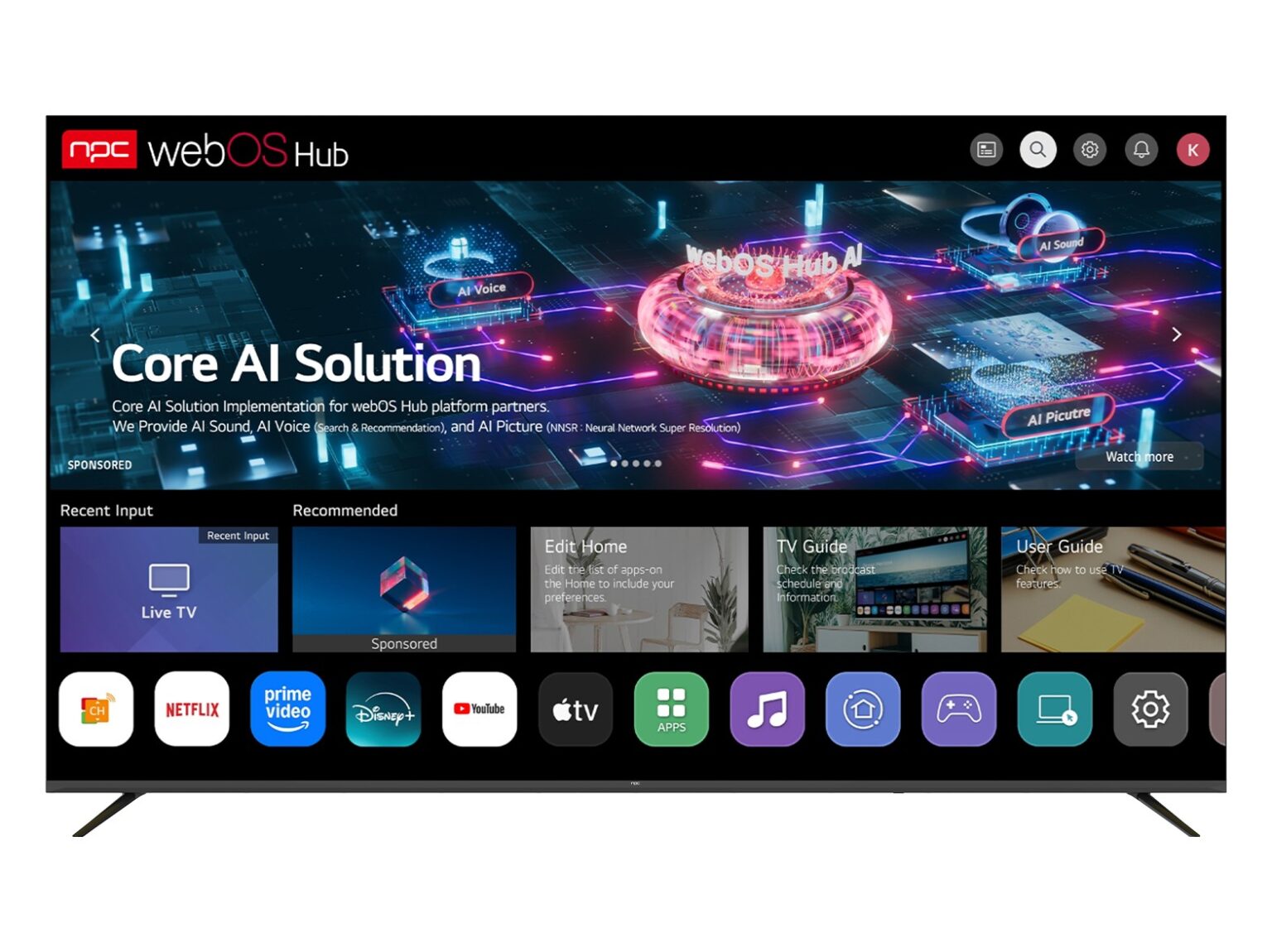
Don’t equate resolution with quality—4K on a poorly tuned panel still looks flat. Don’t buy solely for a flashy smart platform; an unsupported OS will age badly. Avoid the cheapest option in a tier unless you accept shorter lifespan and diminished resale. Ignore hype about thin bezels if you need a robust wall mount or if calibration options are limited. Finally, skip buying solely on early reviews; firmware and service quality evolve after launch.
Comparing realistic alternatives
Established global brands usually offer steady firmware and broader service, but some specialized or regional makers deliver superior value in specific categories—HDR tone mapping, gaming latency, or studio calibration—because they focus engineering where it counts. ODM-backed value brands can be fine when you verify panel origin and firmware policy. Evaluate each candidate against the selection criteria above, not against ad copy.
Where this leads
Problems trace back to concrete choices; addressing them requires matching priorities—panel tech, processing, software policy, and support—to how you actually use the screen. That matching is what yields long-term satisfaction, and it’s the practical approach a partner like npc reflects in its product decisions and documentation.