
Why this comparison matters to you
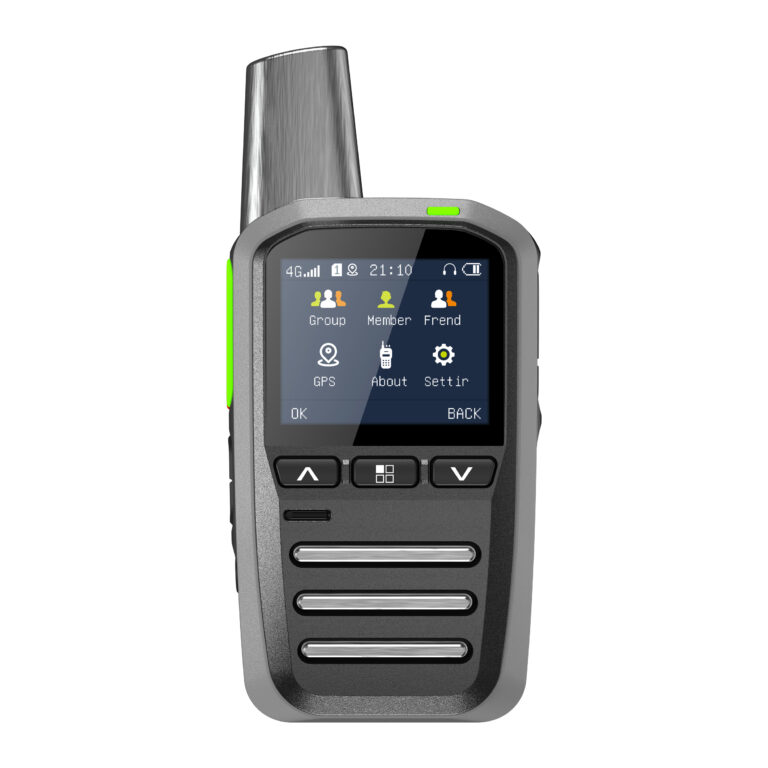
If you manage people on sites, events, or remote shifts, the choice between push-to-talk over cellular and legacy two-way systems changes how your team stays coordinated. You want straightforward answers about coverage, cost, and daily operation — not marketing claims. A dual mode poc radio can sound ideal on paper; the real test is whether it fits your crew’s patterns, schedules, and incident rhythms.
How the user experience changes day to day
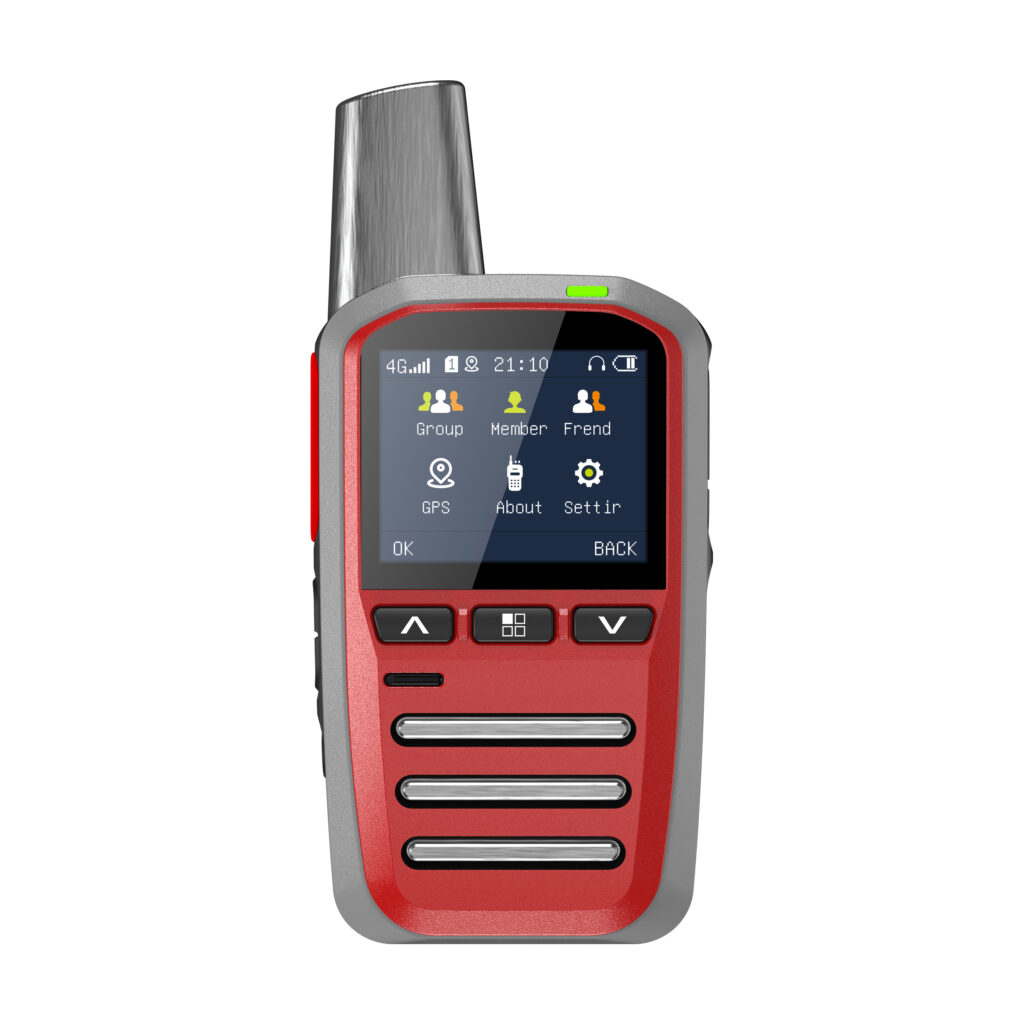
Users notice three immediate differences: coverage behavior, call workflow, and device dependence. PoC relies on commercial networks: calls can span tens of miles where cellular data exists, and group talk feels like traditional push-to-talk, but it needs a data link. Conventional LMR systems (VHF/UHF) give predictably local coverage without relying on outside networks and often provide lower-latency voice in dense radio traffic. Expect longer battery swaps and simpler training with purpose-built LMR handsets, while PoC devices bring easier mass updates, richer features (GPS, messaging, audio recording), and software-driven profiles that require some IT oversight.
What typically goes wrong when teams switch
Teams assume range maps from vendors apply to their terrain; they don’t. Another frequent mistake is treating PoC as plug-and-play and skipping field acceptance tests during peak load. Forgetting to map interoperability needs with legacy radios creates dangerous communication gaps during mixed-equipment incidents. Budget planners often focus on purchase price and overlook recurring network subscription, data failover, and support costs. Training gets squeezed; when workflows change, devices must match established dispatch and escalation procedures, or people revert to personal phones and radios, breaking accountability.
Evidence, experience, and a real-world anchor
Operational reviews from California wildfire response operations showed agencies choosing hybrid setups to cover long corridors while keeping local tactical talk on LMR. Those reviews repeatedly recommended testing long-haul voice under realistic loads before full rollout; this is where a long range poc radio often proved its value as an extension rather than a replacement. From supporting staff scheduling to documenting incident communications, proven field trials and after-action notes build confidence more than bench specs.
How to decide — practical questions for procurement
Start with scenarios: do you need guaranteed local talk in building basements, or wide-area group dispatch across counties? Check network availability for peak hours; run a stress test with the people who will carry the devices. Verify interoperability plan and battery swap cadence; plan for software updates and role-based profiles. Consider a hybrid rule: keep tactical LMR for immediate team-level control and deploy PoC for extended coordination, logging, and remote supervisors. If you evaluate alternatives, weigh satellite fallback where cellular truly doesn’t reach, and narrow-band digital LMR where spectrum control and regulatory compliance matter more than app features.
Bottom line
Teams that ground their choice in how people actually work avoid costly surprises: test devices with your crews, map interoperability before deployment, and budget for recurring services. For organizations balancing coverage, manageability, and dependable field workflows, solutions from GLOHE tend to reflect the practical mix of device capability and operational support that teams need.