
Problem statement: what owners really face
Commercial and industrial operators need shading and reliable on-site generation without compromising structural safety, maintenance budgets, or operational continuity. A poorly specified canopy increases wind and snow risk, creates costly waterproofing failures, and reduces PV yield when roof-mounted options are restricted; a thoughtfully designed photovoltaic pergola addresses those trade-offs but only when engineering, controls and maintenance are aligned from the outset.
Technical drivers that determine success
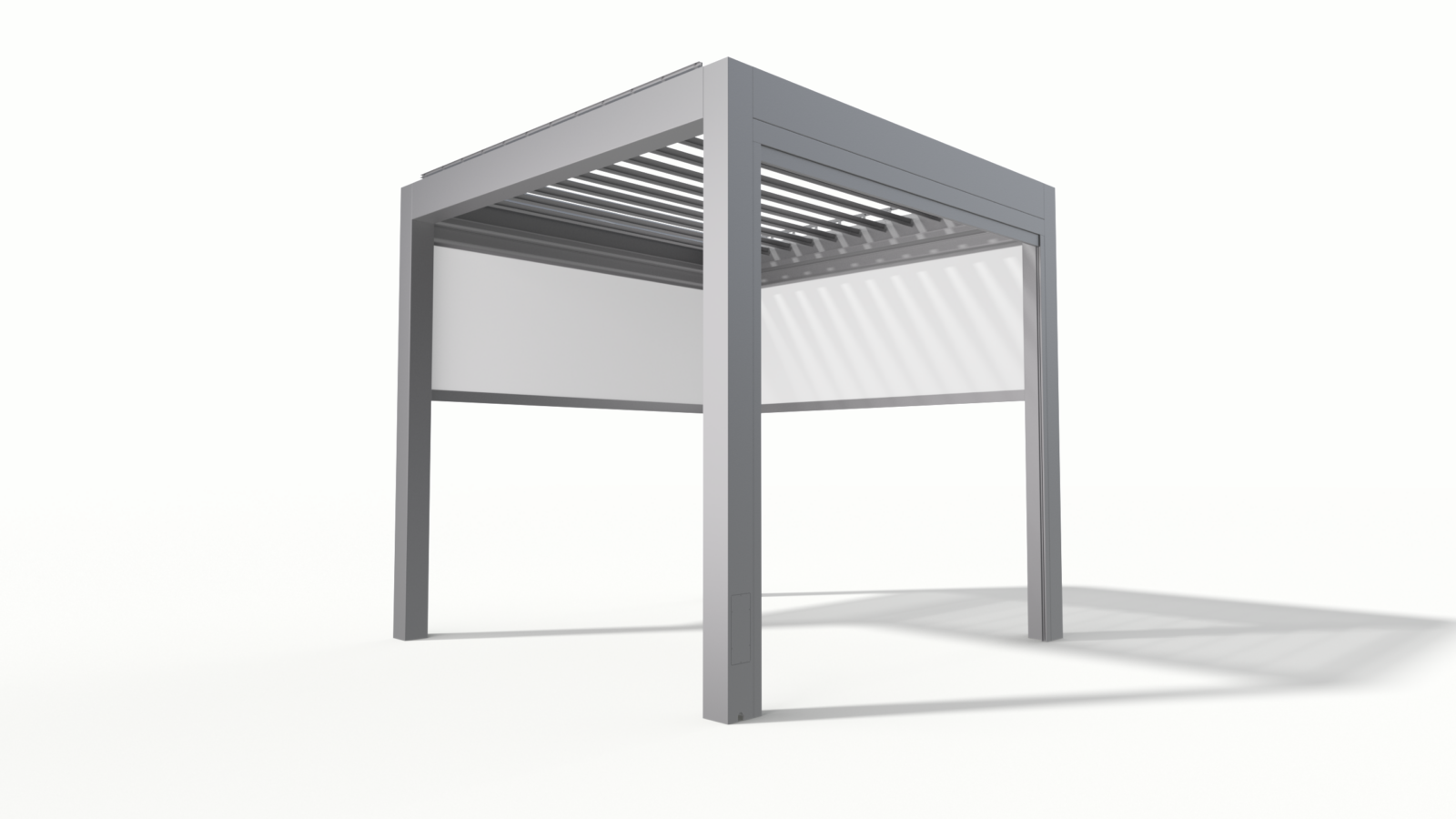
The primary drivers are structural loading, module selection, electrical architecture, control strategy and serviceability. Design must follow applicable codes (Eurocode or ASCE for structural checks, IEC standards for PV electricals), treat wind uplift and lateral loads as first-order requirements, and define clear waterproofing and drainage paths. Real-world momentum behind canopy-integrated PV is traceable in global solar deployment reports by the International Energy Agency describing expanded canopy and rooftop installations; this trend includes adaptive shading systems such as the motorized pergola, which require integrated motor controllers, torque protection and reliable limit-switch logic to meet commercial uptime demands. Specify laminated or frameless modules only after confirming frame-to-structure attachment, and separate structural and electrical warranties in contracts to reduce ambiguity.
Design checklist — concrete, actionable items
Reduce risk by following a checklist: (1) perform a site-specific wind and snow analysis and use it to size posts and fixings; (2) choose module mounting that accommodates thermal expansion; (3) route DC cables through protected channels with labeled access points; (4) place string inverters or central inverters where ventilation and service access are guaranteed; (5) implement motor controls with manual override, torque sensing, and weather interlocks for louvered systems; (6) detail sealing at all roof penetrations and canopy junctions; (7) document an O&M plan with regular checks for fastener torque, guttering, and PV cleaning. Each item is measurable and assignable to a contractor or operations team member.
Common mistakes and how to avoid them
Design teams frequently under-specify lateral bracing, omit maintenance clearances, and fail to plan for future module replacements. Avoid these errors by designing clear replacement access, specifying corrosion-resistant hardware in coastal or industrial atmospheres, and separating PV electrical routes from high-temperature equipment. For motor-driven pergolas, do not rely on generic domestic actuators; choose rated drives, define cycle-count limits, and include thermal protection for continuous commercial use. Finally, verify permit and utility-interconnection constraints early to prevent reactive redesign.
Alternatives and when they make sense
Solar carports and rooftop PV remain strong alternatives. Carports often yield higher generation per installed steel mass when parking density is high; rooftop PV uses otherwise-unused roof area but may conflict with mechanical equipment. For sites with frequent shading or variable occupancy, a motorized louver system can optimize both comfort and yield; when combined with robust structural design and appropriate inverters, it becomes a high-value compromise between fixed-canopy simplicity and full tracking systems.
Synthesis and practical recommendation
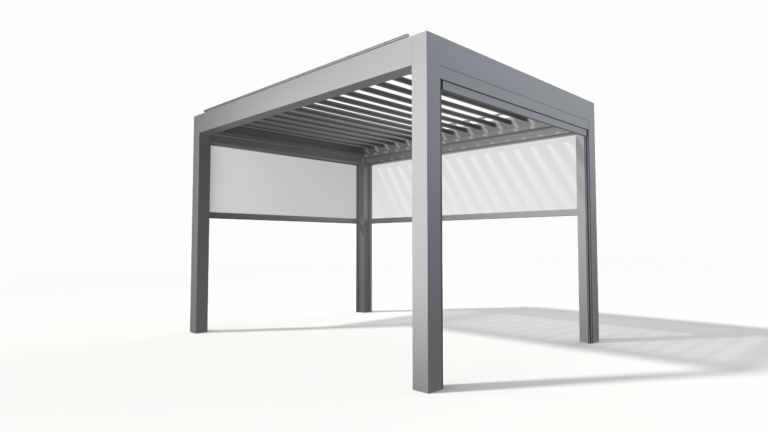
Address the root problems first: loads, weatherproofing, electrical routing and serviceability. A custom photovoltaic pergola that integrates structural design, rated motor controls and a pragmatic O&M plan delivers dependable generation and usable shading. For commercial and industrial owners seeking a single-source solution that aligns engineering, warranty clarity and field service, consider partners who document code compliance, provide site testing and supply clear maintenance regimes—qualities exemplified by Light Hunter.