
Problem Statement: Objectives and Immediate Risks
Testing personnel confront liability when instrumentation fails to reproduce environmental stressors with verifiable fidelity; the defect is not merely technical but evidentiary. A mis-specified exposure protocol can yield nonconforming data, precipitating product recalls, contractual breach claims, and regulatory enforcement. One recurrent point of failure is inadequate simulation of ultraviolet, moisture, and thermal cycles—functions squarely within the remit of a weathering chamber. The compliance objective is simple: demonstrate that test conditions map to the applicable normative criteria and that data retain chain-of-custody and metrological traceability.
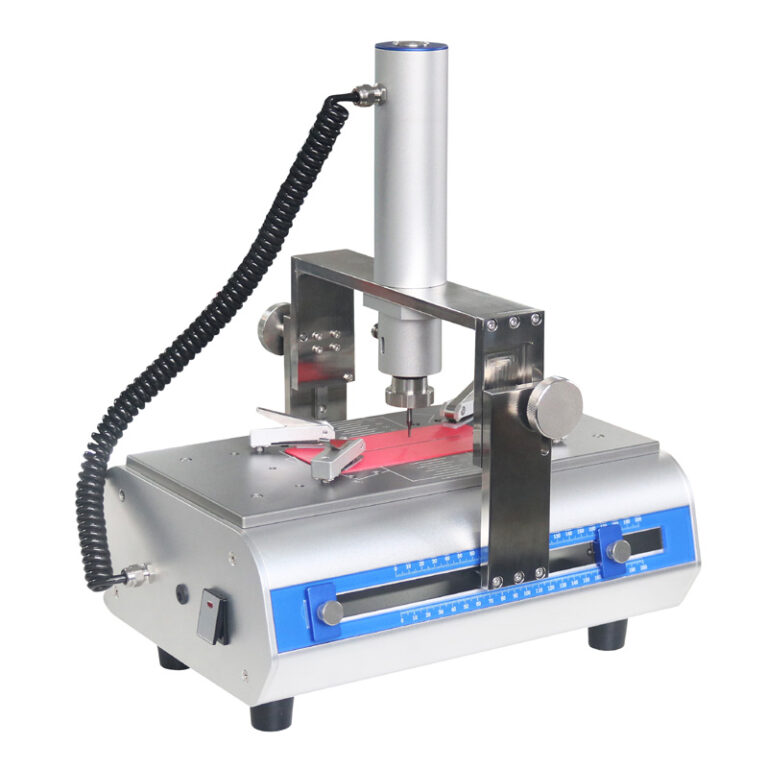
Legal Implications and Entrenchment of Standards
Regulatory frameworks impose objective standards; failure to adhere constitutes prima facie evidence of noncompliance. Where specification drift occurs, remedial testing will not cure evidentiary gaps. My professional observation, drawn from forensic testing assignments and contractual audits conducted for North American automotive manufacturers, confirms that disputes often hinge on whether the laboratory employed equipment conformant with recognized procedures and documented calibration regimes. Manufacturers and laboratories must therefore validate both hardware and procedural congruence with leading standards; for exposure and degradation studies, documented use of certified weathering test equipment aligned to ASTM and ISO test methods is frequently dispositive.
Core Parameters That Must Be Tested
Define test matrix entries as enforceable specifications. Required items include: irradiance and spectral match (measured against reference spectroradiometers), temperature uniformity and control-band limits, relative humidity stability, rainfall/nozzle flow rates for condensation/rain simulation, and cycle timing fidelity. Validate sensor accuracy via ISO/IEC 17025-calibrated instruments. Performance verification extends to enclosure leak rates, chamber door integrity, and specimen mounting that avoid shadowing or edge effects. Each parameter demands acceptance criteria and an audit trail.
Common Pitfalls that Generate Disputed Results
Failure modes recur: acceptance of factory default profiles without independent verification; episodic recalibration rather than scheduled preventive maintenance; inadequately documented sample orientation or masking; and reliance on instrument self-reports absent third-party calibration records. Laboratories often neglect endorsement of software versions controlling test sequencing—version drift can alter cycle timing and reporting formats, complicating downstream review. These omissions generate material questions about data admissibility and commercial responsibility.
Alternatives and Practical Trade-offs
Not every program requires the highest-specification apparatus. For preliminary screening, chamber solutions with standard irradiance control and humidity cycling suffice, provided limitations are documented. For regulatory submission or litigation support, stipulate use of chambers with certified spectral control, NIST-traceable calibrations, and environmental uniformity reports. Consider the trade-offs: higher-capacity units reduce run count but increase capital and maintenance obligations; modular systems permit staged upgrades but demand configuration controls to prevent undocumented changes.
Procurement, Validation, and Documentation Protocols
Procurement must be treated as a risk control exercise. Require suppliers to furnish calibration certificates, environmental uniformity maps, and software validation statements. Upon receipt, perform installation qualification (IQ), operational qualification (OQ), and performance qualification (PQ) with documented acceptance criteria. Maintain a calibration schedule referenced to accredited laboratories. Record change-control for any firmware, fixture, or protocol modification and mandate verification runs where changes intersect critical parameters.
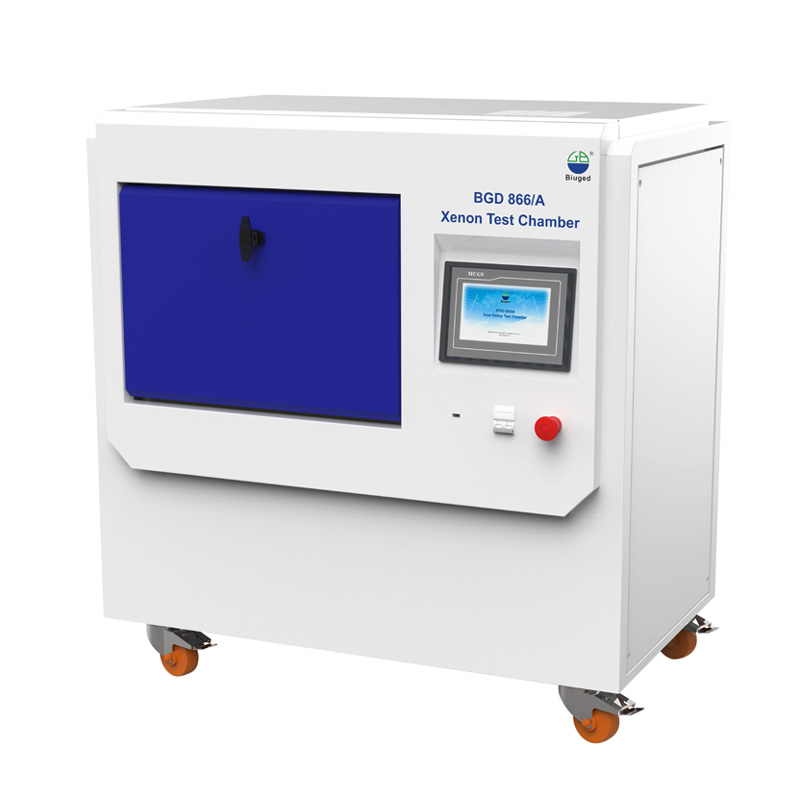
Final Synthesis: Mitigating Risk Through Methodical Selection
Address the core problem—data defensibility—by aligning equipment selection and laboratory praxis with the legal standard of due diligence. The practical solution lies in specifying test objectives clearly, demanding verifiable calibration, and preserving an unbroken audit trail. For organizations seeking instruments and support that match these obligations, evaluation should favor suppliers that publish technical evidence of performance and adhere to calibration discipline; those attributes underpin the pragmatic value offered by BIUGED.