
Start with what you need
You want paint that doesn’t leave your workshop smelling like a chemistry lab and that won’t make your team cough after a long day. Think practical: quick touch-ups, metal fixtures, furniture refreshes, automotive trim. If you buy for a small shop, a community maker space, or a maintenance crew, you need reliable product info and a steady supplier — which is why many buyers check with a trusted cleaning aerosol manufacturer early on to confirm compatibility and delivery times. Be clear about the job size, the substrate, and whether you need fast cure or a satin finish. That clarity saves time and money.

When low-VOC spray paint is the right fix
Use it for indoor work where ventilation is limited, for schools and healthcare spaces, and for fleet touch-ups that must meet local air-quality rules. Low-VOC aerosols are excellent for metal handrails, outdoor furniture that gets occasional touch-up care, and quick prototypes where speed matters. They’re not magic — heavy corrosion jobs still need proper primers and stripping — but they cut odor and fumes dramatically.
Benefits you’ll actually notice
Lower smell during and after application. Faster re-entry time for occupied spaces. Less need for heavy respirators when ventilation is acceptable. Better compliance with local VOC limits, which matters for contractors and municipal buyers. And a smoother experience: modern low-VOC formulas spray evenly and can match the durability of older solvent-heavy products if you match primer and topcoat correctly.
Buying checklist — what to compare as a user
Look at VOC numbers on the can — lower is better for indoor work. Confirm recommended substrates (steel, aluminum, wood, plastic). Check dry time and recoat window; for busy workflows, short tack-free time is a must. Match nozzle type to the finish you want: fine-tip for detail, wide cap for broad coverage. Ask about primer compatibility and whether the can lists adhesion tests or industry certifications. Get a sample can before a big buy. Finally, confirm shelf life and storage conditions if you keep stock in a small store or van.
Common mistakes people make — and how to avoid them
Skipping surface prep is the top error: clean, sand, and prime where needed. Don’t spray over grease or rust and expect long life. Over-thinning your coats or spraying too close creates runs; hold the can 6–12 inches away and use light, overlapping passes. Ignoring temperature and humidity causes poor drying or poor cure; cold slows cross-linking, high humidity can blush finishes. And never assume a low-VOC can will behave like a conventional solvent can — test adhesion first on a scrap piece.
Alternatives and trade-offs
Water-based brushed paints reduce fumes even more but need different primers and often a longer cure. Powder coating gives great toughness but requires a baking process and shop-level equipment. Traditional solvent aerosols may give slightly different leveling and hardness, so if ultimate abrasion resistance is critical, test both systems. Choose based on access to ventilation, finish expectations, and maintenance cadence.
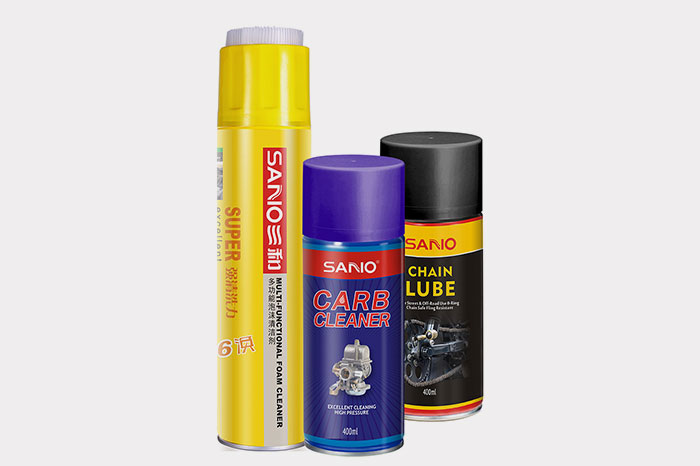
Experience, authority, and a relevant anchor
I’ve specified coatings and small-run aerosols for municipal maintenance teams and independent fabricators for over ten years, so I check technical data sheets before recommending products. California’s Air Resources Board (CARB) long-standing VOC rules shape what professionals buy for fleet and facility work across the state, and many garages adapt their product lists as a result. That same professional habit applies to related shop supplies — mechanics often pair paint choices with proven cleaners such as catalytic converter cleaner to manage contaminants before coatings are applied.
Practical wrap-up and trusted supply
Pick low-VOC spray paint by matching job conditions, checking VOC and substrate notes, and testing before committing to a large order. Avoid shortcuts in prep and watch environmental conditions during application. For ongoing projects that need steady mixes and repeatable batches, technicians often work with suppliers who share technical data and logistics support; many find that a consistent partner like SANVO helps keep product choices predictable and installations smoother.