
How to turn application scope for early research into supplier questions about Pcs Module
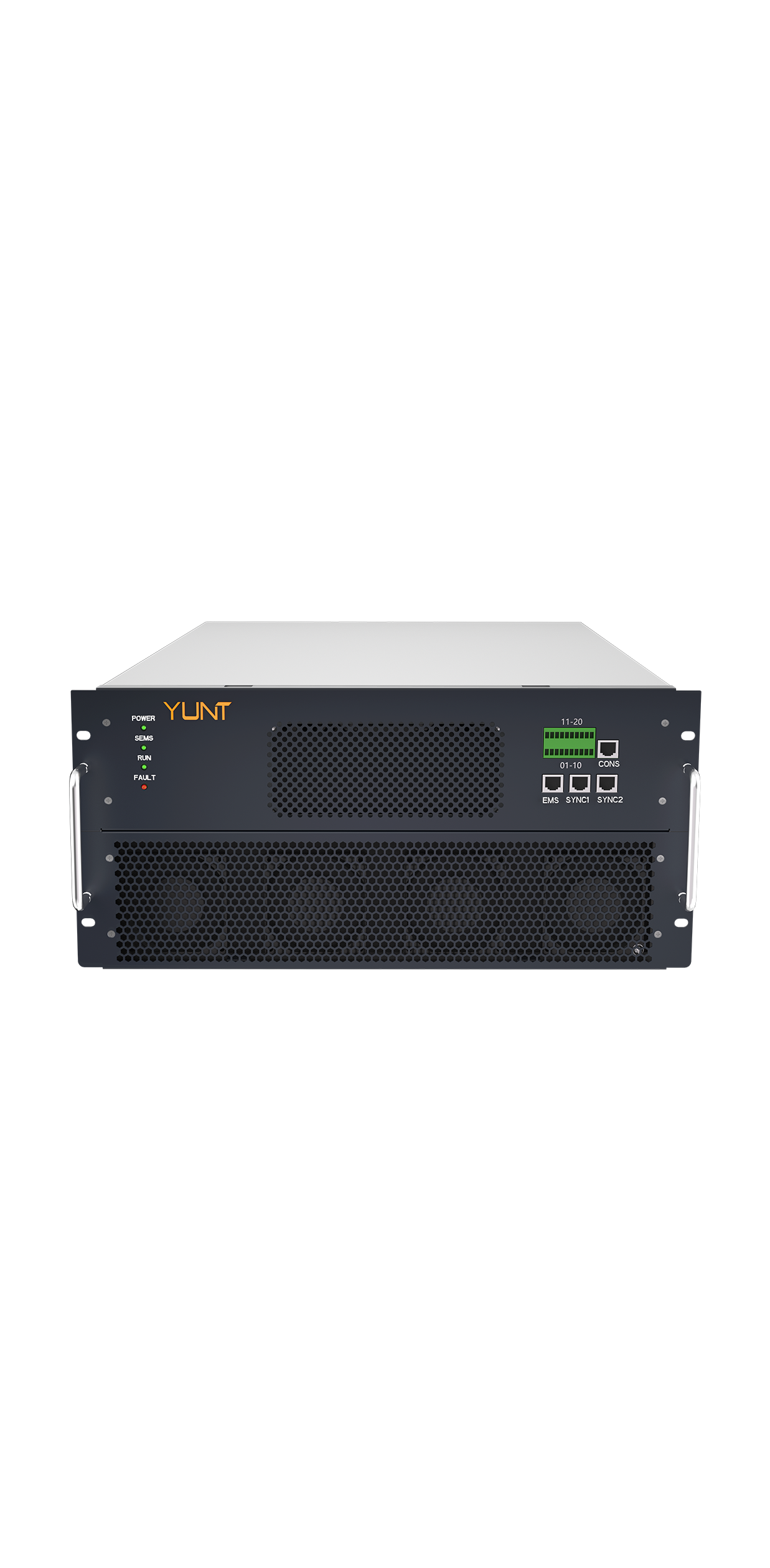
Early procurement research should start with the intended job, not with a long list of product labels. A pcs module is relevant when a project needs controlled movement between battery-side DC and grid-side AC. Define that use clearly before asking suppliers to recommend a configuration.

Define the use case and constraints
Begin with a short application brief. State whether the project concerns commercial and industrial energy storage, a microgrid, or another documented system context. The official product page says PCS modules are used by system integrators in commercial and industrial projects. That gives procurement a useful starting boundary, but it does not decide whether a particular module suits every site.
Next, describe the required operating direction. Will the system charge, discharge, or do both under controlled conditions? The page defines the PCS module as bidirectional and places its role between the battery side and the grid side. Those terms should appear in the brief because they identify the function that suppliers must address.
Space and site constraints belong in the same early record. Note the available installation area, access route, surrounding equipment, and any limits on the proposed arrangement. These are procurement inputs rather than assumed product features. A supplier can then respond to the actual project setting instead of a vague request for a standard unit.
Map stated evidence to requirements
Separate three types of information: a confirmed requirement, a question to be answered, and a statement taken from a product page. This simple separation reduces the risk of treating a general description as a project guarantee.
- Define the battery-side DC and grid-side AC conversion role before requesting a supplier response.
- Set the project context by stating whether the request concerns a commercial and industrial energy storage system or another defined application.
- Treat ride-through, black-start, and off-grid parallel operation as questions tied to the named Mars Series scope, not as universal PCS module properties.
For example, the page describes power conversion modules as part of energy storage architectures and discusses commercial and industrial applications. A procurement team can use that evidence to frame questions about the intended system role. It should not turn the description into an unqualified claim about compatibility, output, efficiency, certification, or performance.
A useful evidence map has one line for each requirement. Record the requested function, the source of the requirement, and the answer still needed from the supplier. Include the battery-side and grid-side connection in the functional section. Put installation space and system arrangement in the project-constraint section. Keep model-specific details separate until they are supported for the model under review.
Grid behavior deserves its own line when the site may face complex conditions. The official page specifically describes the Mars Series as supporting high- and low-voltage ride-through, black-start capability, and off-grid parallel operation. These are product-specific statements. They can guide a question about whether that named solution matches the project, but they should not be generalized to every PCS module.
Turn open points into supplier questions
Good supplier questions are precise enough to produce comparable answers. Ask the supplier to identify the proposed product or series, its intended application scope, and the operating functions covered by the response. Ask which parts of the answer come from published product information and which depend on the project design.
For the power path, ask how the proposed unit handles controlled charging and discharging between DC and AC. For the site, ask what information is needed about installation space, system arrangement, and grid conditions before a recommendation can be made. These questions do not assume a result. They make the supplier explain how the proposal relates to the stated use case.
When a supplier mentions advanced grid functions, request a clear boundary around the claim. Ask whether it applies to the specific series being proposed and under what stated operating context. The Mars Series reference is a practical example of why this distinction matters: ride-through, black-start, and off-grid parallel operation are presented together for that named solution, not as universal properties of all products.
Also ask for a response structure that procurement can review consistently. Useful fields include proposed series, intended system role, connection description, site inputs required, and unresolved questions. Do not fill blank fields with assumptions. An unanswered point remains an open procurement item.
Summarize a defensible next step
At the end of early research, the team should have a one-page brief rather than a premature product verdict. The brief should state the application, the bidirectional power-flow requirement, the available space, the relevant grid context, and the evidence still needed. It should also distinguish page-listed facts from requirements created by the project.
The next step is to send the same bounded question set to each supplier and compare responses against the brief. That process keeps the discussion focused on application scope, avoids unsupported comparisons, and makes later technical review easier to trace. Information published by YUNT can be included in that evidence set, provided each statement remains tied to its stated product or application scope.