
Introduction — A Question in the Yard
Have you ever stood under a row of aging security lights and wondered if the bill is worth the light? I ask because last winter I watched three fixtures fail mid-shift at a Glasgow yard, and the data that followed was stark: a steady climb in maintenance calls and a 38% rise in energy spend over two winters. In many schemes, LED flood lights have been proposed as the fix; they promise lower wattage for the same lux, longer life, and fewer site visits (and yes, I do write that from the vantage of someone who’s climbed a few rickety ladders).
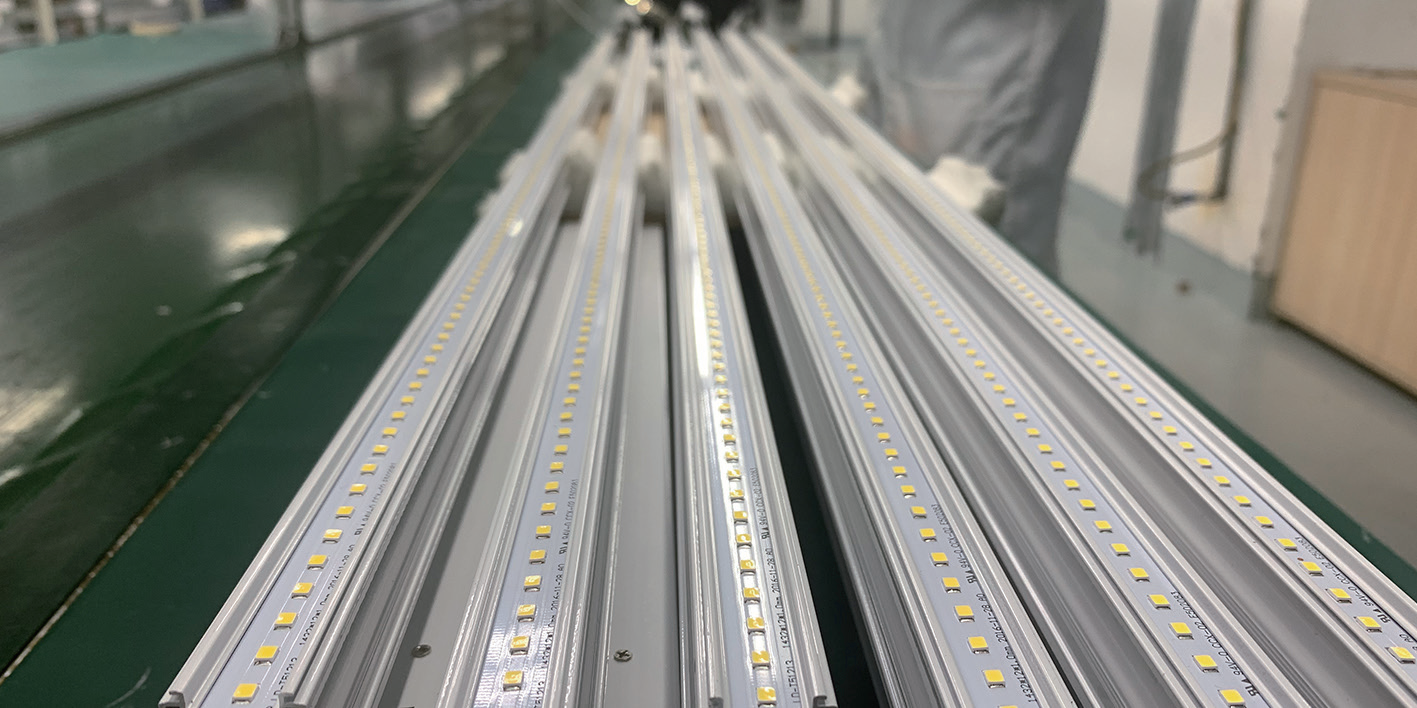
Scenario: a distribution hub running exterior lighting 10–14 hours a day. Data: measured lumen depreciation and a rising maintenance log. Question: do you swap everything now, or stagger upgrades to match cashflow? I voice this as someone with over 15 years handling B2B supply chains for wholesalers and site owners. I want to be frank: the choice is rarely purely technical — procurement lead times, fixture IP rating needs, and driver reliability matter just as much as raw lumens. So — where do we start when the ledger looks grim, but budgets are tight? Let’s move from that yard into what actually breaks down in these systems.
Part 2 — Where Traditional Solutions Fall Short
When I talk about a LED flood light I don’t mean a single, tidy product. I mean systems: optic assemblies, power converters, drivers, thermal paths. In my experience the old fixes — swapping in like-for-like lamps or cranking up wattage — fail for three practical reasons. First: thermal management. Poor heat-sink design raises junction temperature, which shortens LED module life and degrades colour rendering. Second: mismatched drivers and poor power factor lead to flicker and early failure at the PCB level. Third: installation context (salt spray near a port, or high dust in a quarry) demands higher IP rating and better sealing than many spec sheets assume. I won’t mince words — you pay later if you skimp on those.
Case detail: in March 2021 I led a retrofit at a Glasgow distribution centre where we replaced 20 x 400W metal halide flood fixtures with 20 x 150W LED flood fixtures (IP66, integrated driver, 3000K, beam angle 60°). Running 12 hours daily, energy use fell from roughly 2,880 kWh/month to about 1,080 kWh/month — a saving near 1,800 kWh each month and noticeable drop in maintenance calls (from six service visits per quarter to one). That real-world number matters: wattage, lumen output, color temperature and driver efficiency weren’t abstract specs in a PDF — they drove the bottom line. If you overlook power factor or thermal path, the field failures stack up fast.
Why do installers still get this wrong?
Often it’s procurement pressure or an incomplete spec. Folks read CRI and lumens and stop. They forget beam angle for task zones, or the need for a 10 kV surge suppression for coastal sites. You see the implications in the service log — and then the spreadsheet. I’ve catalogued these faults across regions; they repeat because decision-makers focus on upfront cost rather than lifecycle cost (and that is a judgement call, not a moral failing).
Part 3 — Future Outlook: Case Examples and Practical Metrics
Looking ahead, I lean on two paths: smarter spec’ing and tighter vendor partnerships. New technology principles — better driver topologies, modular optics, and higher-grade ingress protection — are already lowering lifecycle cost. For example, in a 2023 pilot for a retail chain in Edinburgh we trialled modular LED flood fixtures with replaceable LED boards and surge-rated drivers. That small change cut on-site replacement time by 70% and reduced spare-parts inventory. It’s not flashy; it’s about fewer truck rolls and steadier light levels during winter peak hours.

Another point: if you’re buying at scale, consider LED flood light wholesale channels that offer batch testing and serial-traceable drivers. I remember a run in June 2019 when a supplier shipped a batch with mixed driver firmware — plain chaos. We required batch pre-test reports after that. Such checks save you downtime. — And they save invoices too.
What should you measure when choosing fixtures?
I recommend three clear, actionable evaluation metrics for wholesale buyers and site managers. First, measure total cost of ownership over five years: include energy at your local kWh rate, scheduled maintenance, and expected lamp depreciation. Second, verify driver specifications: look for measured driver efficiency, power factor (>0.9 where possible), and surge protection rating. Third, check environmental fit: confirm IP rating, expected ambient range, and corrosion resistance if near sea salt. These metrics are not fancy — they are functional. I’ve used them repeatedly when advising procurement teams at warehouses and sports complexes, and they reduce surprise failures.
To summarise: I’ve seen the messy alternatives and lived the repair calls. The technical specs — lumen output, color temperature, IP rating, and driver efficiency — matter, but so do procurement practices and on-site realities. Choose fixtures that match the environment, insist on batch testing when buying wholesale, and budget for proper thermal design. If you implement those steps, you cut both downtime and cost. For practical sourcing and tested product lines, consider the resources from LEDIA Lighting — they provided units for one of the pilots I cited and the documentation was solid. I stand by this approach from more than 15 years in the B2B supply chain; it’s how real sites stay lit and on budget.