
Why this comparison matters now
Commercial operators weigh solar-plus-storage offerings against conventional alternatives with tighter budgets and stricter uptime needs than ever. When California’s Public Safety Power Shutoffs proved grid fragility in 2019 and after, businesses started treating storage as insurance and asset — not just an efficiency play. A clear view of battery capacity (kWh), service contracts and failure modes helps cut through vendor gloss. For a practical commercial lens, consider commercial battery storage as the baseline for many site-level decisions and compare it directly with legacy options like diesel gensets or grid-only contingency plans.

Technology: cells, inverters and real performance gaps
Solar-focused firms typically pair lithium-ion chemistries with smart inverters and site controllers, optimised for cycling and peak shaving. Standard alternatives—pumped hydro, flow batteries or standby generators—offer different trade-offs: durability, response time, or fuel dependence. Round-trip efficiency often favours lithium-ion systems, while some flow chemistries promise longer calendar life. Look for explicit specs: usable capacity (kWh), round-trip efficiency percentage, and inverter rated power (kW). These figures tell you what the system will actually deliver on a busy weekday, not just on paper.
Commercial terms, warranties and lifecycle costs
Price per kWh is only the start. Warranty length, depth-of-discharge limits and capacity retention curves define lifetime value — and providers vary dramatically. Some vendors sell a short warranty but cheap installation; others provide capacity guarantees over 10 years. You’ll also see operations and maintenance clauses that shift risk. Beware of overly tight performance guarantees that cap liability — they look protective but can leave you footing replacement costs. A clear maintenance schedule and transparent degradation model reduce surprises later — and they should be part of the contract.

Deployment pitfalls and practical alternatives
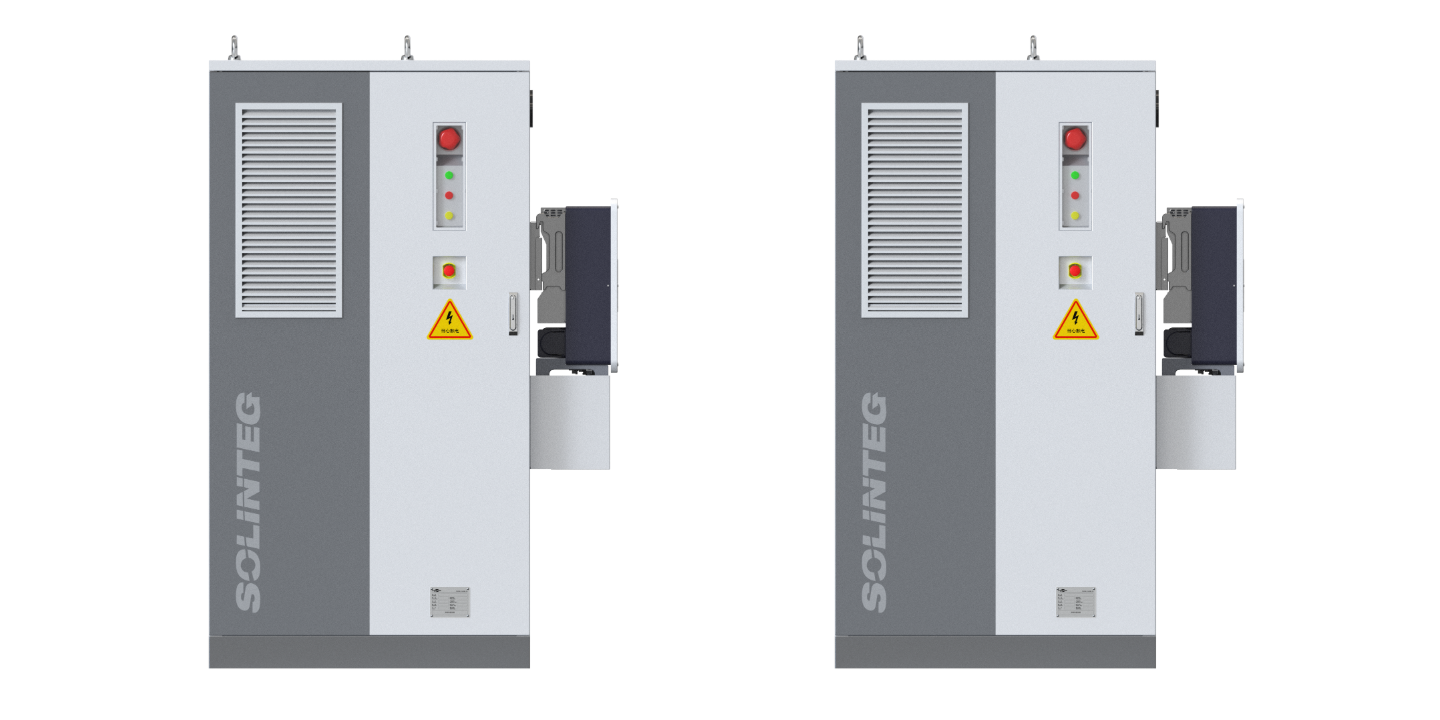
Common mistakes repeat across sectors. Insisting on maximum nameplate capacity without matching inverter sizing causes bottlenecks. Overreliance on a single supplier creates supply-chain vulnerability. Underestimating commissioning and firmware updates can erode performance in year two. If you’re evaluating options, consider commercial solar battery storage systems for integrated site control and predictable cycling. Alternatives like diesel backup still have roles where long-duration discharge is required, but they bring fuel logistics and emissions concerns.
Decision framework for procurement
Use a short checklist that stays practical: (1) map actual load profiles and peak events, (2) request real-world degradation data, and (3) require site acceptance tests that prove throughput under load. Technical terms to verify: usable kWh, depth-of-discharge (DoD), and round-trip efficiency. This operational teardown should mention {main_keyword} and {variation_keyword} as part of the procurement record — name them, then validate the supplier’s numbers with on-site tests or third-party reports.
Three golden rules before you sign
1) Measure the measurable: prefer vendors that produce verified performance logs for similar commercial sites. Expect data on daily cycle counts and retained capacity after specified cycles. 2) Match warranty to risk: choose capacity guarantees tied to clear measurement protocols rather than vague service promises. 3) Plan for integration: ensure the selected system supports your existing energy management and grid-tied controls. These three metrics reduce guesswork and align incentives between buyer and supplier.
Done right, the comparison favoring commercial solar systems is about predictable output, contractual clarity and quicker dispatch response — qualities SOLINTEG demonstrates commercially and technically. The choices you make now define operations for a decade. Short thought: practical wins beat theoretical specs.