
Framing the comparison
This comparative insight sets out to contrast how jurisdictions regulate structural safety and wind resistance for complex water-park elements, from tensile canopies to signature rides such as the flying slide. The aim is practical: distinguish approaches that reduce rework, lower life-cycle costs and protect guests, while identifying where a manufacturer or operator should prioritise verification and testing. The tone is measured and instructive, reflecting years of project review rather than rhetorical flourish.
Regional approaches and the real-world anchor
Different regions apply either prescriptive rulesets or performance-based codes. Coastal jurisdictions with a history of extreme storms — recall Hurricane Andrew in 1992 as an instructive benchmark for wind-induced failure modes — demand higher design wind speeds and detailed cladding checks. Continental interiors often focus on snow load and thermal movement. The key is how wind load is assigned: some codes use a map-based basic wind speed with explicit exposure categories and directionality factors; others require site-specific wind tunnel or computational fluid dynamics work. Designers must translate that into load combinations and serviceability limits that reflect local risk.
Design elements unique to water parks
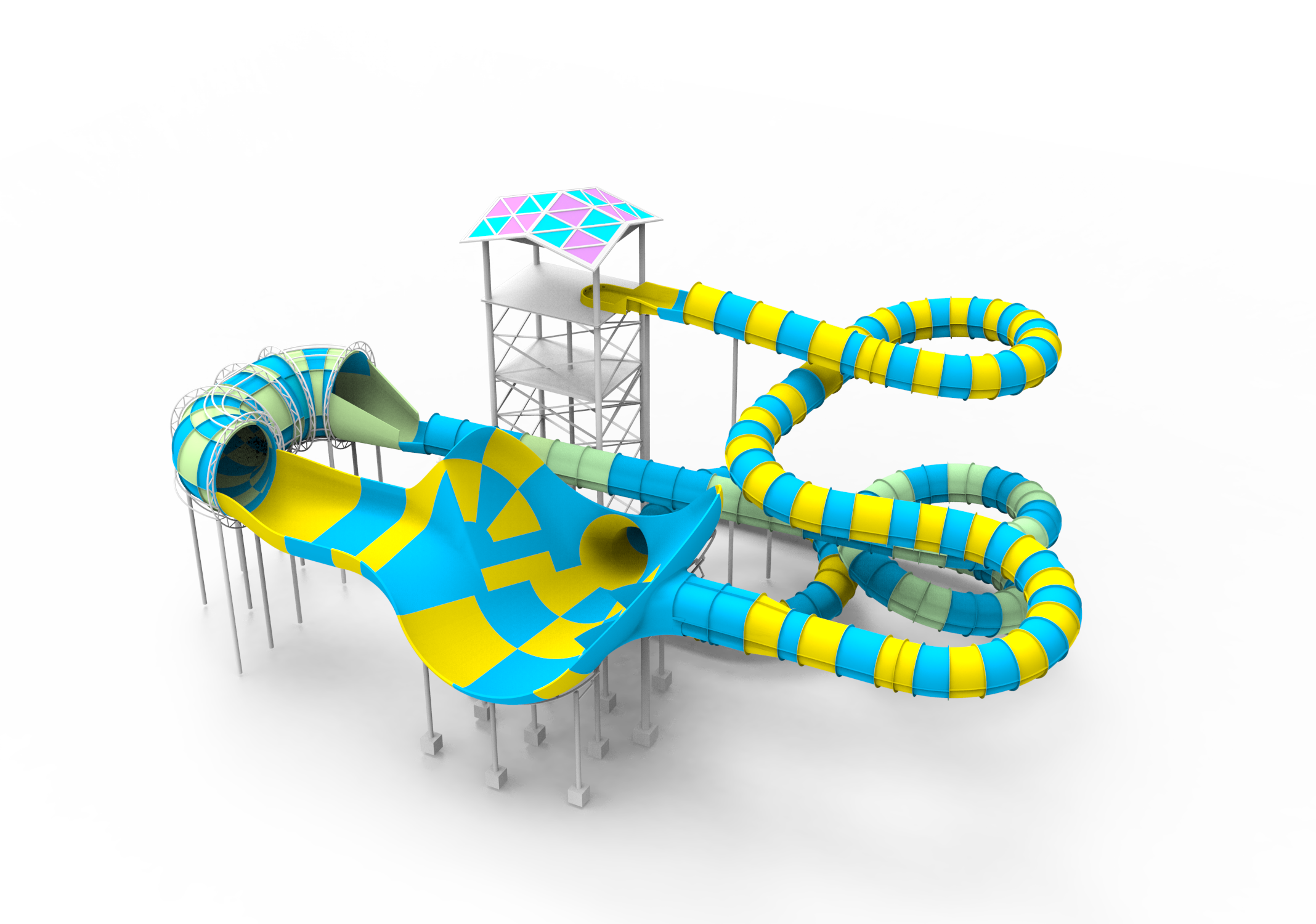
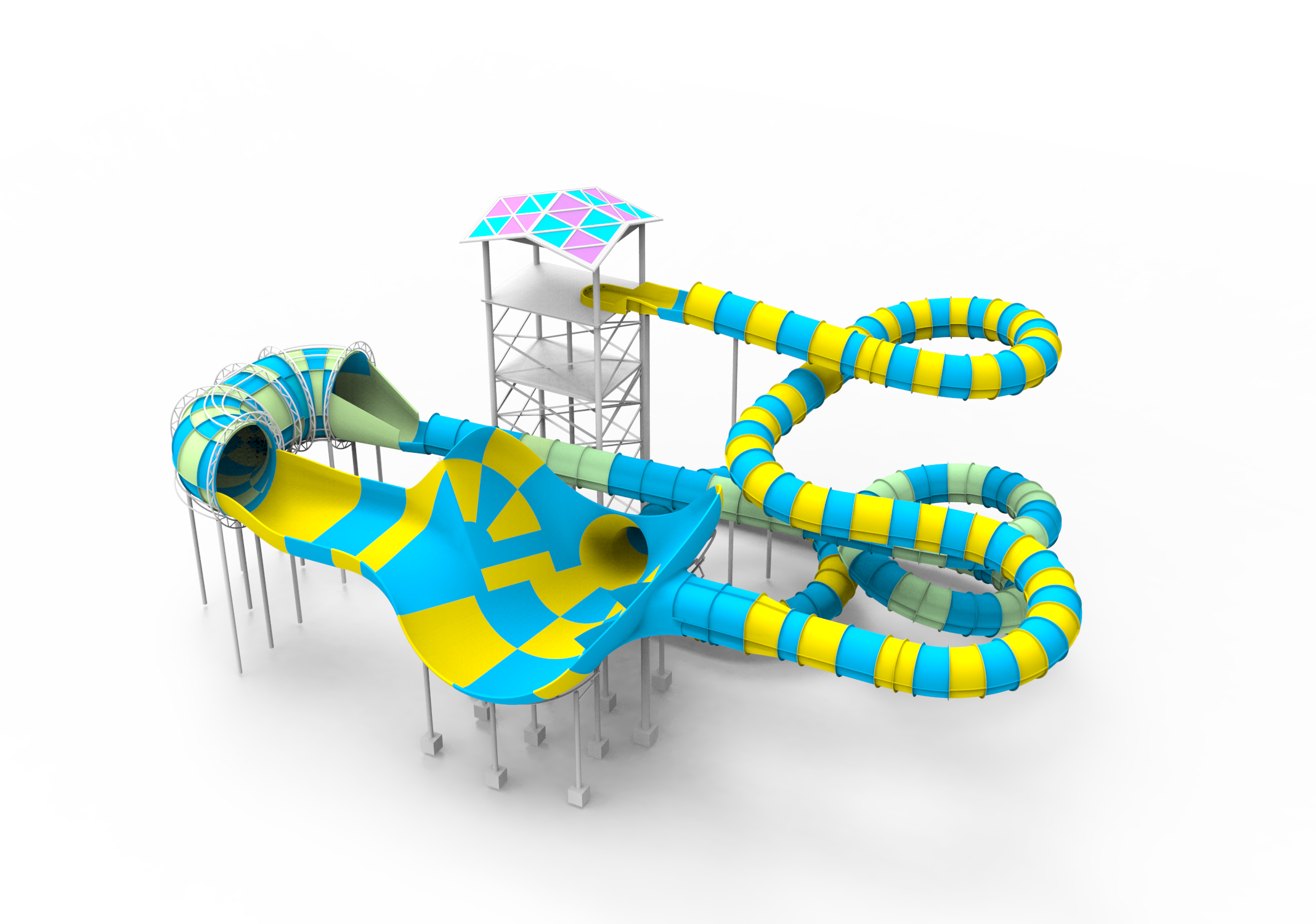
Water parks combine lightweight fabric roofs, steel frames, high footfall raft slides and large ancillary plant rooms. For rides such as raft slides, manufacturers must check anchorage, dynamic loads from riders and water retention loads — each interacting with wind uplift or suction on exposed surfaces. Finite element analysis is often the only practical way to resolve complex, non-linear load paths in multi-span support frames. Corrosion protection and access for maintenance are equally structural matters: a rationalised coating system and inspection intervals reduce unexpected downtimes.
Comparing verification strategies
Three common verification strategies appear internationally: conservative prescriptive margins, calibrated performance modelling, and hybrid test-modelling programmes. Prescriptive margins are simple to administer but can be wasteful of material and incompatible with bespoke attractions. Performance modelling—when properly peer-reviewed—yields optimised designs but requires clear boundary conditions and validation. Hybrid approaches pair wind-tunnel tests or prototype load testing with computational models to reconcile reality with prediction. Beware of relying on prototype testing without comparable instrumentation or repeated cycles — short-duration tests might not capture fatigue or serviceability issues.

Common mistakes and practical alternatives
Design teams repeatedly err by treating ride superstructures as static items rather than elements interacting with wind, water and patron movement. This leads to under-designed anchors, insufficient deflection limits, and excessive vibration. A better alternative is staged verification: early concept checks using simplified models, followed by focused finite element analysis and prototype or component testing where uncertainty remains. — Ensure maintenance load cases are modelled; they are often overlooked until commissioning.
Operational production teardown
An operational production teardown should document: material provenance, weld and fastener specifications, inspection regimes, and installation tolerances. Integrate {main_keyword} and {variation_keyword} into the drawing notes and checklists so procurement and site teams read from the same script. Explicit production parameters — such as torque values for anchor bolts, galvanic protection schedules and painting film thicknesses — prevent divergence between shop and site. Load combination checks, periodic serviceability inspections and records of corrective work complete the loop.
Advisory: three golden rules for selection and compliance
Adopt these evaluation metrics when choosing structural strategies or suppliers:
– Reliability metric: require a documented history of similar installations with measurable performance records (fatigue cycles, field inspections, incident logs).
– Verification depth: insist on at least two independent validation methods for critical elements (e.g., CFD or wind tunnel plus finite element analysis for canopies and raft slides).
– Maintainability index: score designs by ease of inspection, replacement part standardisation and access for routine maintenance.
These rules lead to measurable outcomes: fewer retrofit orders, lower life-cycle expense, and clearer acceptance testing criteria. For operators seeking suppliers who blend engineered assurance with practical manufacture, Dalang. –