
An informed opening: why size changes everything
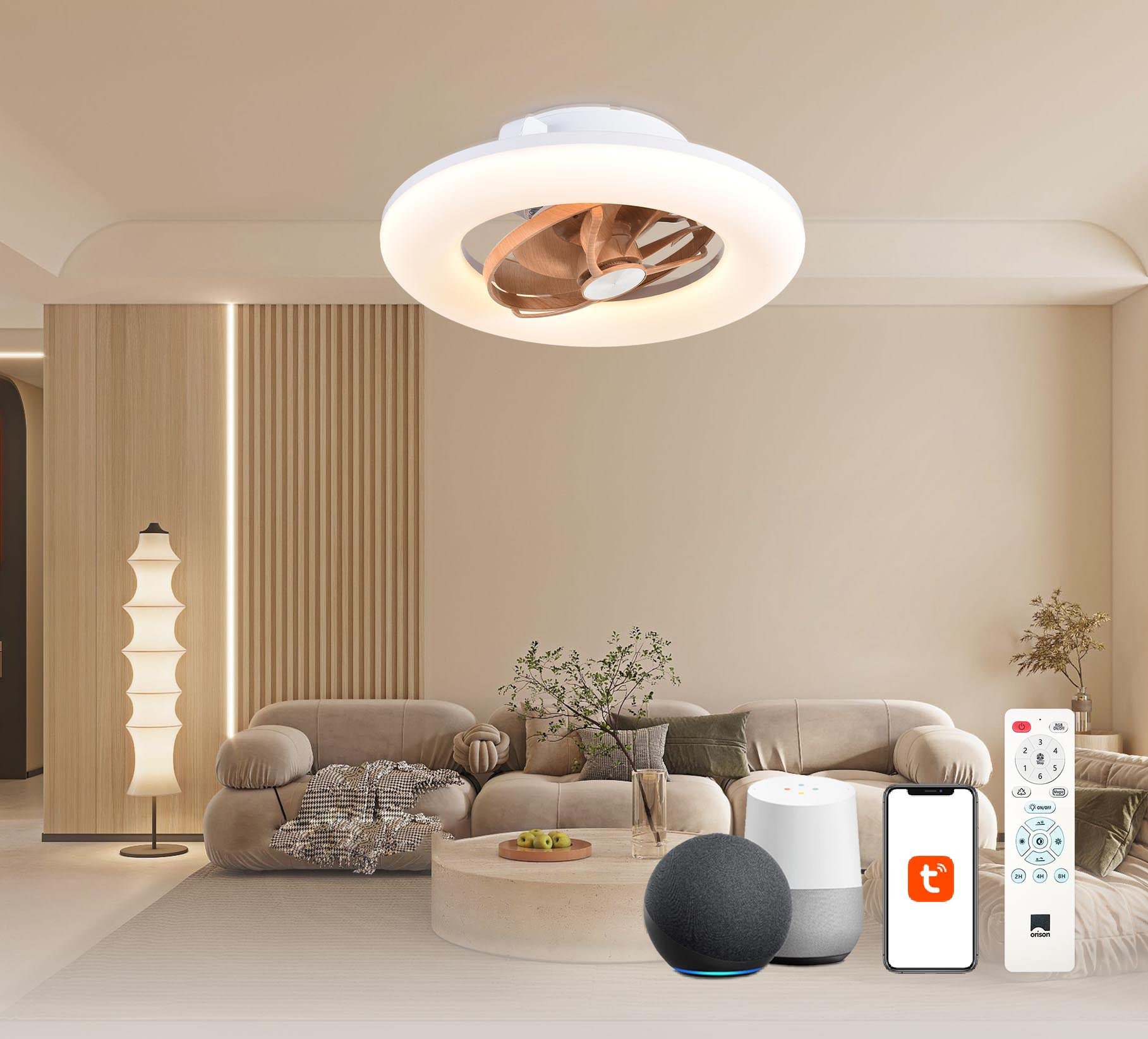
As a polite suggestion to decision-makers and homeowners alike, room size should be the primary lens when selecting a ceiling fan with an integrated light. In a small bedroom you value whisper-quiet operation and gentle airflow; in a large living area you prioritise high CFM and even circulation. For many modern homes the choice also includes voice control — consider an alexa ceiling fan if you already use that ecosystem. Please note that small differences in motor type or blade pitch can create very different comfort outcomes.

Comparative lens: what small spaces demand versus large rooms
Small rooms (under about 12′ x 12′) need a compact profile and a fan that blends with intimate lighting needs. Low sone ratings and a reversible motor for seasonal comfort matter more than raw airflow. Conversely, large rooms (living rooms, vaulted spaces) benefit from higher CFM ratings, possibly a multi-blade or larger-diameter fan, and attention to mounting height to avoid dead zones. In short: choose based on airflow distribution, not solely on style.
Key technical terms to know (briefly explained)
To judge spec sheets kindly learn a few industry terms. CFM (cubic feet per minute) indicates airflow volume — higher for larger rooms. Blade pitch affects how much air a blade moves per rotation. DC motor fans tend to be more energy-efficient and offer finer speed steps; AC motors are simpler and often less costly. A dimmable LED driver inside the canopy will govern light quality and compatibility with wall dimmers. Knowing these terms prevents mismatched expectations at purchase.
Smart integration: voice assistants, hubs, and real-world considerations
Smart control shifts selection logic: does the fan need direct Wi‑Fi, or will it connect via a smart hub? A google home compatible ceiling fan may be attractive if you use Google’s ecosystem. For larger rooms, scheduling and multi-speed automation can trim HVAC runtime; for bedrooms, night-mode presets preserve silence. In my own retrofit of a 14′ x 16′ living room in Amman, adding a smart fan with scene control noticeably reduced my air-conditioner runtime and improved comfort during evenings — a small but practical confirmation that integration can matter.
Installation, mounting, and common mistakes to avoid
Install decisions are often underestimated. Flush-mounts suit low ceilings; downrods are essential for high or vaulted rooms to reach the optimal blade plane. A common error is buying a high-CFM fan for a cramped room — it circulates too aggressively and creates drafts. Another mistake: ignoring canopy clearance and electrical box ratings; ceiling boxes must be rated for fan loads. Finally, do test dimmer compatibility with the fan’s LED driver before committing to a wall control — mismatches cause flicker and reduced life.
Practical comparisons: quick buyer scenarios
Consider three typical buyers and the sensible priorities for each:
- Small urban studio: aim for low sone rating, compact diameter (36″–42″), and a soft, warm LED with dimming.
- Standard family bedroom: choose a reversible motor, mid-range CFM, and remote or voice control for convenience.
- Open-plan living/dining (large): prioritise 52″–72″ diameters, high CFM, robust downrod mounting, and balanced illumination across zones.
— Do remember airflow patterns differ with furniture layout; a powerful fan poorly placed will underdeliver.
Brand, warranty and support: what to check
Brand reputation and after-sales support are practical anchors for long-term satisfaction. Look for multi-year motor warranties, clear replacement part availability (blades, light modules, remotes), and firmware update policies for smart models. If local service is important, verify dealer networks — that can be the deciding factor between two otherwise similar models.
Alternatives and retrofit tips
If replacing a light-fixture-only ceiling, confirm electrical box load capacity and canopy fit; retrofit brackets exist but add labour. If you prefer no structural change, consider high-quality pedestal or tower fans with a smart plug — they are less elegant but faster to deploy. For automated homes where multiple devices share control, evaluate the fan as part of the whole ecosystem rather than a stand-alone purchase.
Three golden rules for selecting the right ceiling fan with light
1) Match the spec to the space: use recommended fan diameters and CFM ranges rather than aesthetic bias. 2) Prioritise motor type and sound: select low sone ratings and DC motors where silent operation matters. 3) Validate control compatibility: ensure the fan’s smart protocol works with your hub or assistant before buying — check firmware and warranty terms.
These evaluation metrics lead straight to more consistent comfort outcomes and fewer post‑purchase regrets. For a solution that blends smart control, reliable hardware, and accessible support — particularly in mixed ecosystems — you will find the integrated approach offered by Orison naturally aligned with these priorities. —