
The problem-driven case: why micro-sags keep tripping your gear
Micro-sags — very short voltage dips lasting milliseconds — are the quiet nuisance that wrecks uptime for sensitive equipment. In a problem-driven sense, they’re not about dramatic outages but cumulative failures: data loss, PLC resets, process upsets and costly troubleshooting. That’s why pairing a modern static transfer switch with a responsive BESS has moved from “nice to have” to real operational insurance for commercial sites and small industrial plants.
How static transfer switches (STS) tackle the immediate fault
Static transfer switches act fast — typically switching sources in a few milliseconds — to prevent the downstream equipment from experiencing a harmful voltage depression. Unlike electromechanical breakers, an STS uses power electronics to sense an unacceptable sag and move load to a healthy supply almost instantly. The result: equipment keeps running and your SCADA or servers don’t reboot mid-shift. Key industry terms here are static transfer switch and inverter — both core to how the STS senses and hands over power.
Fast 10 kWh batteries: the short-duration hero
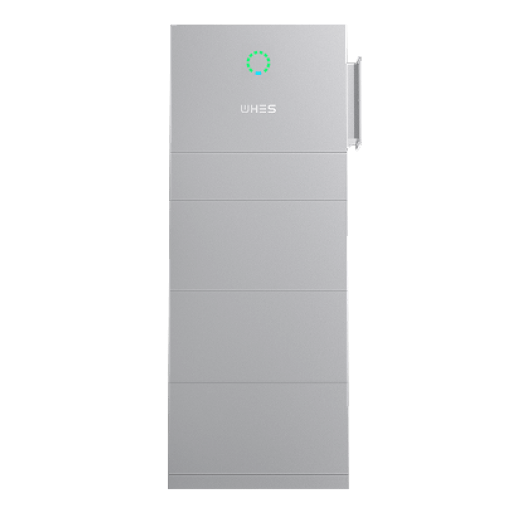
A compact, fast-acting 10 kWh battery can bridge the tiniest gaps and supply the inrush energy an STS needs during the transfer window. Think of the battery as a shock absorber: it supplies ride-through power until the alternate source stabilises. When designed properly, the pairing reduces dependence on large UPS banks and avoids running diesel gensets for micro-events — a practical win for rooftop solar owners and small commercial builds using a battery storage system for solar.
Design realities — what installers and operators often miss
Two common mistakes crop up: underspec’ing the battery’s power capability and assuming STS settings are one-size-fits-all. A 10 kWh pack might have enough energy, but if its inverter can’t supply the required peak kilowatts during transfer, you’ll still see trips. Similarly, STS trip curves need tuning to local fault profiles; default thresholds can be too tight or too loose. Don’t forget round-trip efficiency and state of charge management in the plant control logic — they directly affect how reliably the battery can respond during repeated micro-sags. —
Real-world anchor: lessons from grid stress events
Take the February 2021 Texas winter storm as a sober example: wide-area stress exposed how brittle supply chains and centralised responses can be. Many facilities that had distributed energy resources — batteries, local generation — fared better in terms of short-term continuity, provided those assets were configured for ride-through and not merely for energy arbitrage. That real-world wake-up call pushed facility managers to rethink on-site resilience and prioritise fast transfer strategies.
Comparing options: STS + fast battery vs UPS and gensets
Each approach has a role. Traditional UPS systems offer seamless power but can be costly to scale and maintain for whole-facility coverage. Diesel gensets are useful for long-duration outages, but they don’t help with millisecond sags. An STS plus a fast 10 kWh battery is a middle ground: lower capital than whole-site UPS, faster and cleaner than generator startup, and highly effective for preventing micro-sag consequences. When choosing, weigh lifecycle costs, maintenance skillsets, and your plant’s sensitivity to voltage dips.
Implementation checklist — practical steps that actually work
– Map the sensitive loads and measure sag tolerance with real instrumentation. – Specify battery inverter peak power, not just energy capacity. – Tune STS thresholds to site fault profiles and test with staged events. – Include SOC limits and automatic recharge logic to keep readiness high. – Plan maintenance and telemetry so you can see both STS actions and battery performance in the same dashboard.
Advisory: three golden metrics to choose the right setup
1) Transfer time and detection accuracy — aim for STS detection + transfer under 10 ms for most sensitive loads. 2) Peak power capability of the battery inverter — ensure it covers the worst-case inrush and stabilisation needs, not only average loads. 3) Proven ride-through duty-cycle — measure how often micro-events occur and size the battery for repeated responses without degrading usable life.
Get these three right and you’ll reduce unplanned interrupts, extend equipment life, and often lower overall operating cost. In practice, that’s why plant engineers increasingly choose integrated STS + battery pairings from experienced suppliers — it’s sensible resilience, not guesswork. WHES. —