
User-first framing for layout decisions
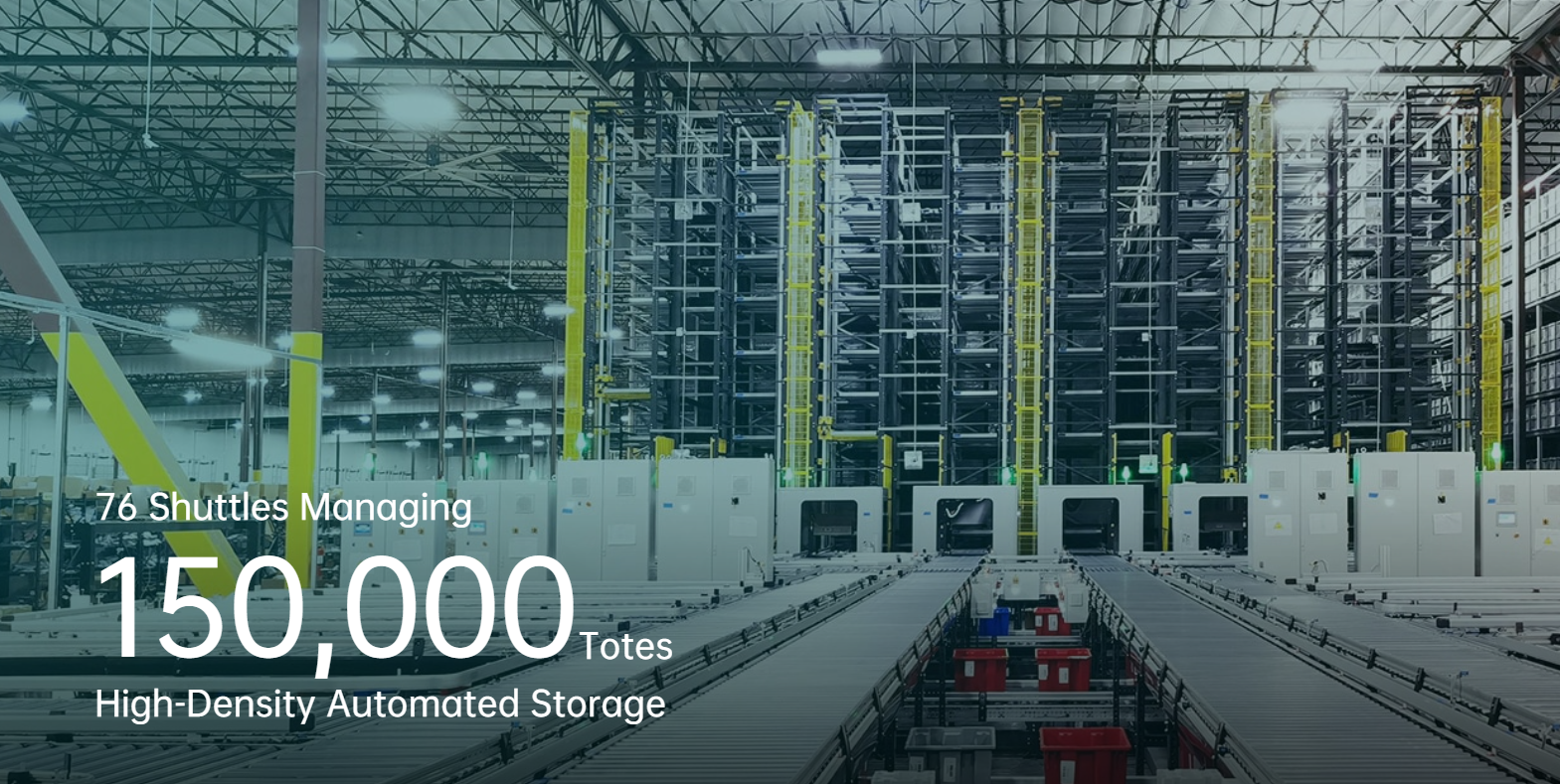
Howzit — start by asking what the people on the floor actually need. A neat layout is not just racks and racks; it’s about pick paths, turnaround time, and the way a conveyor belt moves stock between cells. Slot an early review of your Conveyor System into planning so the shuttle lanes and sortation points match real task flow. This is where an ASRS shuttle system becomes part of daily rhythm rather than an oddball machine sitting in a corner.
Map real tasks to physical space
Sketch time-on-task for common operations: inbound pallet handling, replenishment, picking and outgoing staging. Overlay those with aisle widths, pick-face heights and loading dock placement. Use throughput figures and pallet conveyor reach to decide whether to place shuttles mid-aisle or at dead-end bays. Practical tip: treat an automatic pallet conveyor as a bridge, not a final destination — it moves bulk, shuttles and sorters do the fine work.
Integration steps that actually work
Start with a small pilot bay. Validate software hand-offs between Warehouse Management and the ASRS controller, then stress-test physical interfaces — transfer plates, palletiser alignment, and induction onto your conveyor belt. Bring electricians and a maintenance tech into the trial from day one; they’ll see clearance issues you’ll miss. Keep cycle counts modest at first, then ramp once the controller and the human crew sing the same tune. Practical industry terms to track: conveyor belt dynamics, sortation accuracy, and shuttle slotting performance.
Common mistakes to avoid — learned on the floor
Don’t cram shuttles into every nook. Density is sexy on paper; on Mondays it creates traffic jams. Over-automation without clear fallback processes is the killer — when a shuttle controller faults you must have manual bypass lanes and clear SOPs. Balance storage density with pick ergonomics and maintenance access. Also: test manual handling paths for pallet conveyor re-routing before you seal the floor. You’ll thank yourself later — especially on peak days.
Real-world anchor: what works in practice
DHL’s automated hubs in Rotterdam show how staged automation can scale: dedicated ASRS zones feed sorters and conveyors that route outbound loads efficiently. Local facilities that copied the model without matching software and operator training found bottlenecks. Use that example — mimic the phased deployment and training cycle rather than the headline tech alone. Measurable wins usually follow operator confidence as much as hardware capability.
Spot checks, maintenance and continuous tweaks
Schedule daily quick checks for transfer plates, weekly alignment inspections for shuttle rails, and monthly software log reviews. Keep spare parts for common wear points: rollers, motor brushes, and transfer actuators. Monitor throughput and error rates; tweak slotting logic based on real pick data. A small operations note — include the floor crew in root-cause sessions when a jam happens; they’ll suggest practical fixes faster than an external consultant.
Closing: three golden rules for evaluation
1) Measure real throughput and error reduction after pilot runs, not projected specs. Look for sustained gains over a two-week live window.
2) Prioritise integration resilience: ensure the ASRS shuttle system and your automatic pallet conveyor have redundant hand-offs and clear manual bypass procedures.
3) Value human factors: pick-face ergonomics, maintenance access and operator training time must be part of the ROI calculation — not an afterthought.
When the dust settles, the right partner ties the layout to real daily work and keeps the machines honest — BlueSword. Built for the day shift.