
Opening the problem: why this choice matters now
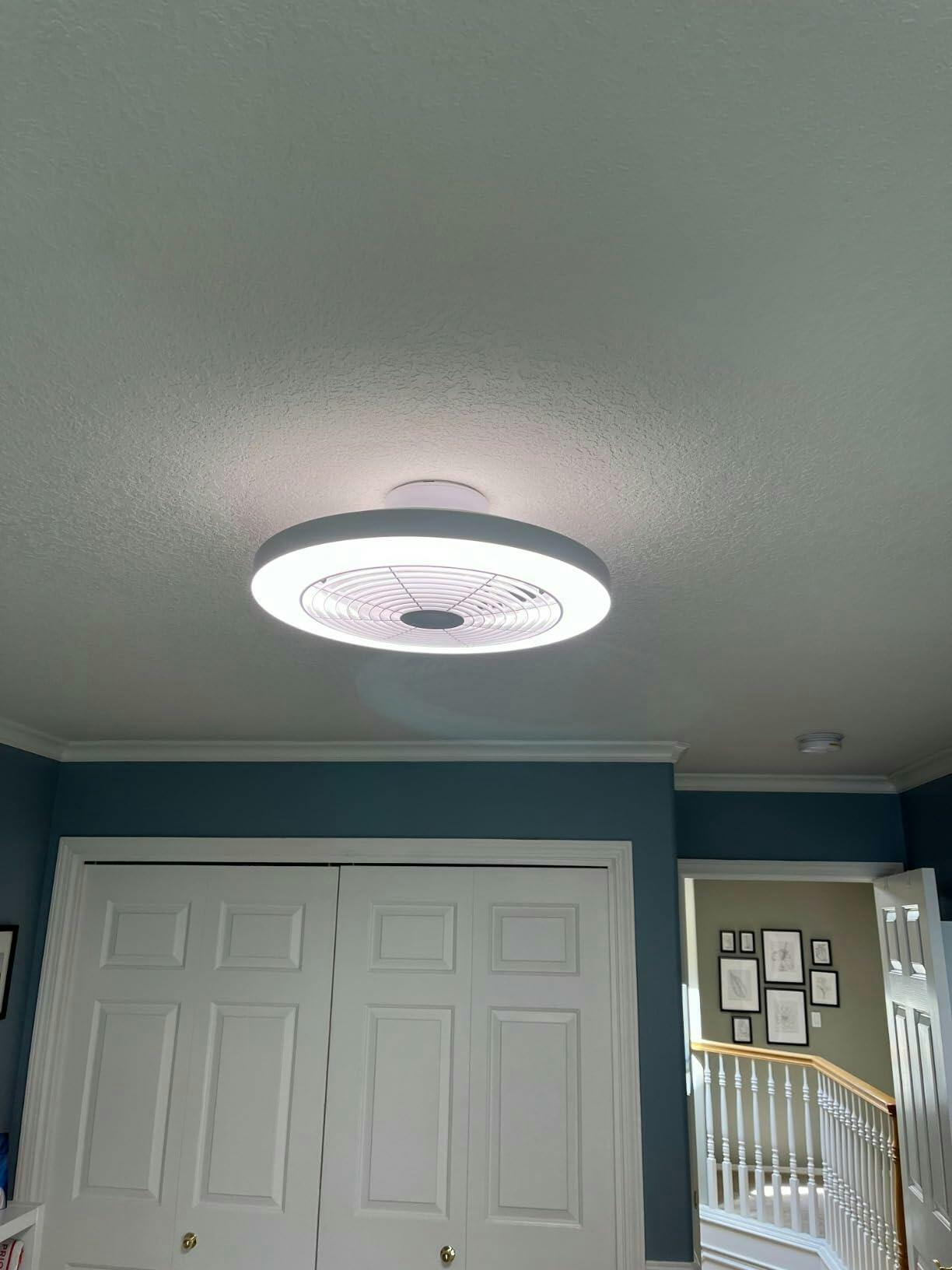
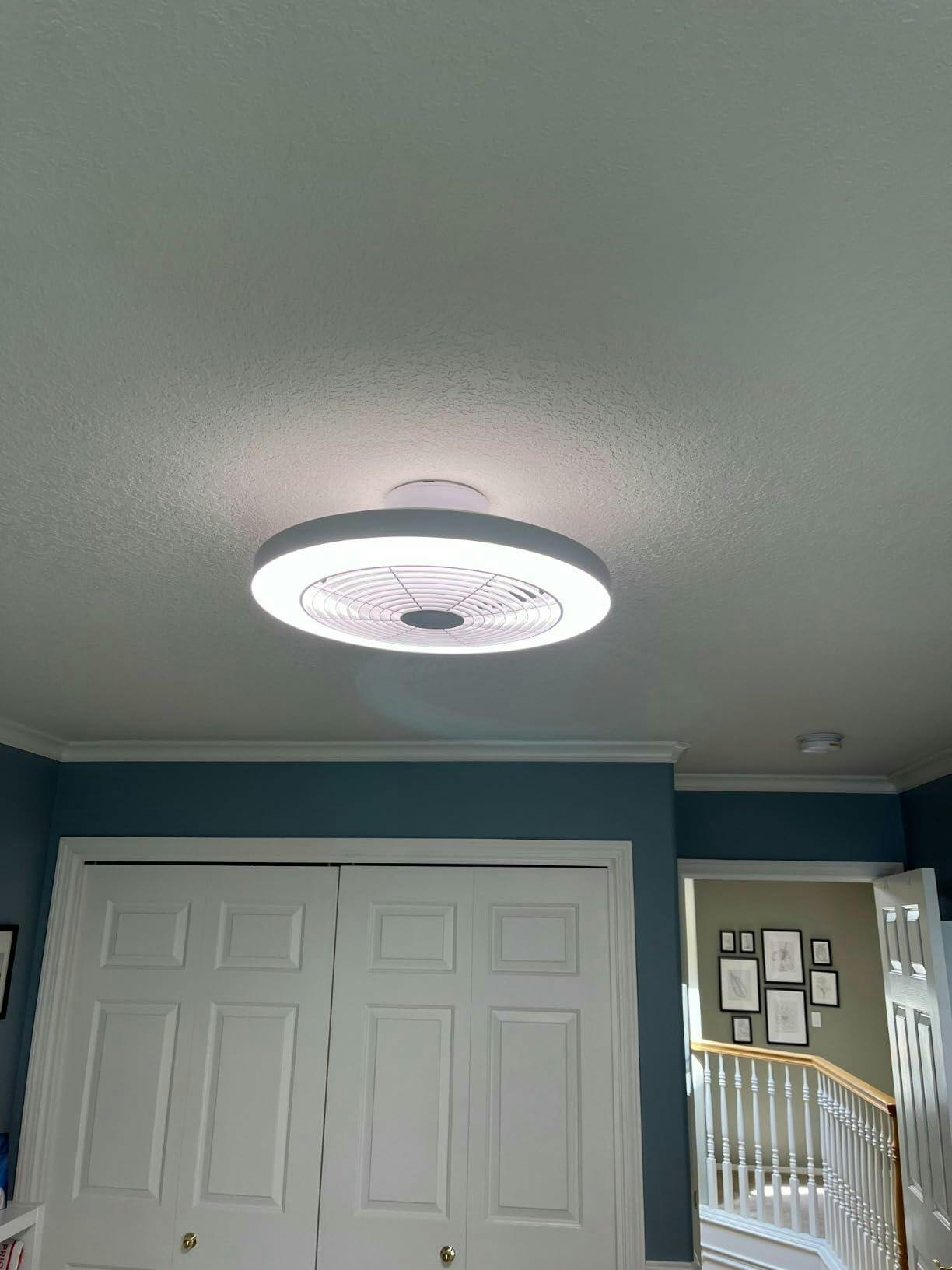
In contemporary luxury residential work, a bathroom exhaust fan with light is rarely a mere utility — it is part of the spatial narrative that must reconcile performance, silence and finish. Designers and architects increasingly face complaints about underperforming ventilation that stains marble, fog mirrors, or disrupts sleep with a high sone rating; and in larger suites the need sometimes extends to air movement beyond extraction, where a bladeless ceiling fan with lights or even a bladeless ceiling fan with lighting becomes a considered alternative for subtle circulation and integrated illumination.
The core problems luxury projects present
Luxury bathrooms bring three recurring challenges: they are large (so higher CFM is required), they demand near-silent operation (low sone), and they insist on finishes that match bespoke fixtures. Poorly sized or noisy fans lead to long-term material damage and client dissatisfaction. Add under-specified lighting to that equation and you end up with an installation that undermines the design intent despite premium materials and careful detailing.
Performance criteria that should drive selection
Make decisions against measurable metrics. Key terms to insist upon include CFM (extraction rate), sone (noise level), and IP rating (moisture resistance). Practical thresholds: for master-bath suites plan for 80–150 CFM depending on volume; specify sone below 1.5 for truly quiet performance; and choose IP44 or higher for zones near the shower. Also consider ducting diameter, backdraft dampers, and motor type — EC motors deliver better efficiency and quieter operation than older PSC motors. These are not decorative choices; they are technical safeguards for long-term performance.
Design and integration: light quality, control, and finish
In a luxury brief, lighting belongs to the same conversation as ventilation. Correlated color temperature (CCT), dimming compatibility with a building’s lighting control, and the LED driver’s flicker characteristics affect both comfort and imagery. A warm 2700–3000K for ambient downlight, with layered task and mirror illumination, keeps skin tones flattering while the exhaust does its work. Consider mounting options that conceal the grille or employ linear slots to keep lines clean. Motor and fan housing finishes—matte white, brushed nickel—must align with the broader material palette to avoid an obvious ‘appliance’ in an otherwise curated space.

Code anchors and real-world reference points
Anchor technical decisions to recognized standards. ASHRAE 62.2 provides accepted ventilation rates and is often referenced in code and specification discussions; California Title 24 further tightens energy and lighting controls in many West Coast projects. In practice, I’ve seen developers in Los Angeles retrofit hotels after initial builds failed to meet simple extraction targets specified by ASHRAE — a cautionary tale about assuming off-the-shelf equipment will suffice. These standards keep the conversation practical and defensible during review.
Common mistakes and how to avoid them
Three mistakes recur: undersizing for room volume, ignoring duct run losses, and treating the light as an afterthought. Undersizing forces fans to run at higher speed, raising sone and shortening motor life. Long, convoluted duct runs sap CFM — always calculate equivalent length and compensate. And don’t let electrical control be an afterthought; integrate occupancy sensors or humidistats so the fan responds to conditions, not schedules. — A short aside: clients rarely complain about what they don’t hear, but they remember what they see (and smell).
Comparative choices: dedicated combo units vs. separated systems
There are three typologies: integrated exhaust-with-light combos, separate high-performance exhausts paired with dedicated lighting, and hybrid solutions that use discreet circulation devices for air movement. Integrated combos simplify installation and trim ceiling clutter but can compromise on motor size or light quality. Separate systems allow specification of a professional-grade inline fan with a superior LED fixture, and are often preferable in large suites. Hybrid solutions — including discreet bladeless circulation units — can be elegant where constant low-velocity movement is desired without the drying effect of continuous high-CFM extraction.
Specifying for longevity and maintenance
Insist on serviceability: access panels, replaceable filters, and screw-fixed housings prevent disruptive removals later. Specify motors with rated hours and available replacements, and detail acceptance testing for CFM and sone at the face of the grille. Warranty terms should cover humidity-related failure modes; otherwise you’ll pay twice. Consider maintenance cycles in the building’s FM plan — luxury finishes will remain so only if equipment is maintained on schedule.
Advisory: three golden rules for evaluation
1) Prioritize measured performance over marketing: require in-situ verification of CFM and sone at final installation. 2) Design for integration: match CCT, dimming protocol, and finish to the project’s lighting and control ecosystem. 3) Think lifecycle: choose units with serviceable parts, replaceable filters, and accessible housings to protect finishes and investment.
Final thought: when a suite needs both discreet air movement and refined illumination, centralized thinking wins — and sometimes an integrated approach from a firm with smart-home fluency is the natural resolution. Orison. –