
Purpose and comparative frame
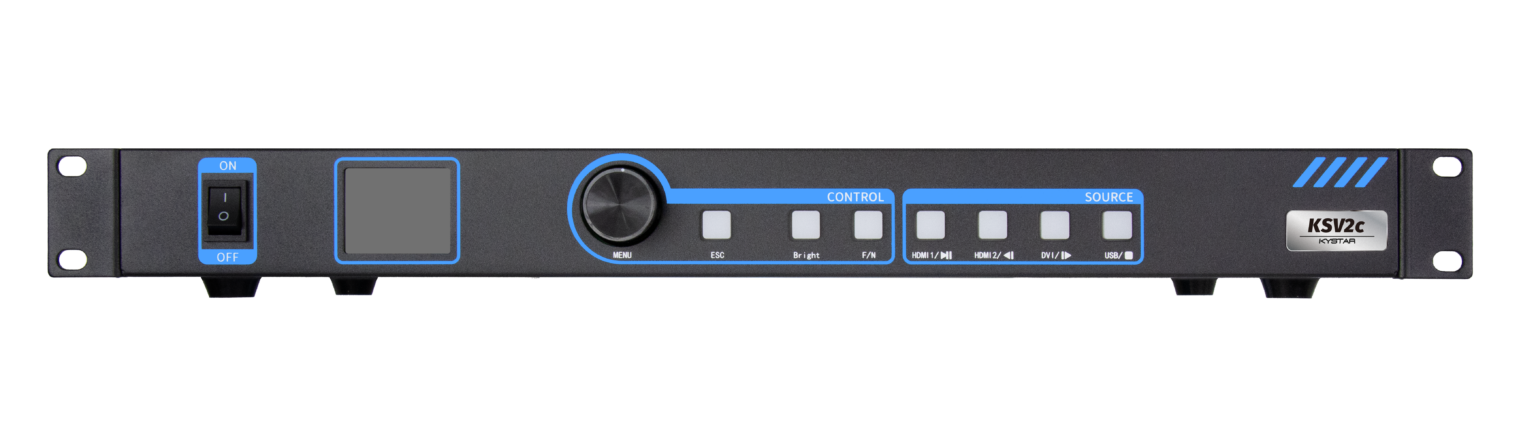
This article compares dedicated controllers and integrated controller suites so technical leads can decide which path yields predictable results for large-format installs. The comparison centers on throughput, color accuracy, and operational reliability—key areas where an LED video controller either excels or reveals limits. I use practical examples from city-scale deployments, notably the synchronized billboards around Times Square, to anchor recommendations against real operational demands.
Core technical differences
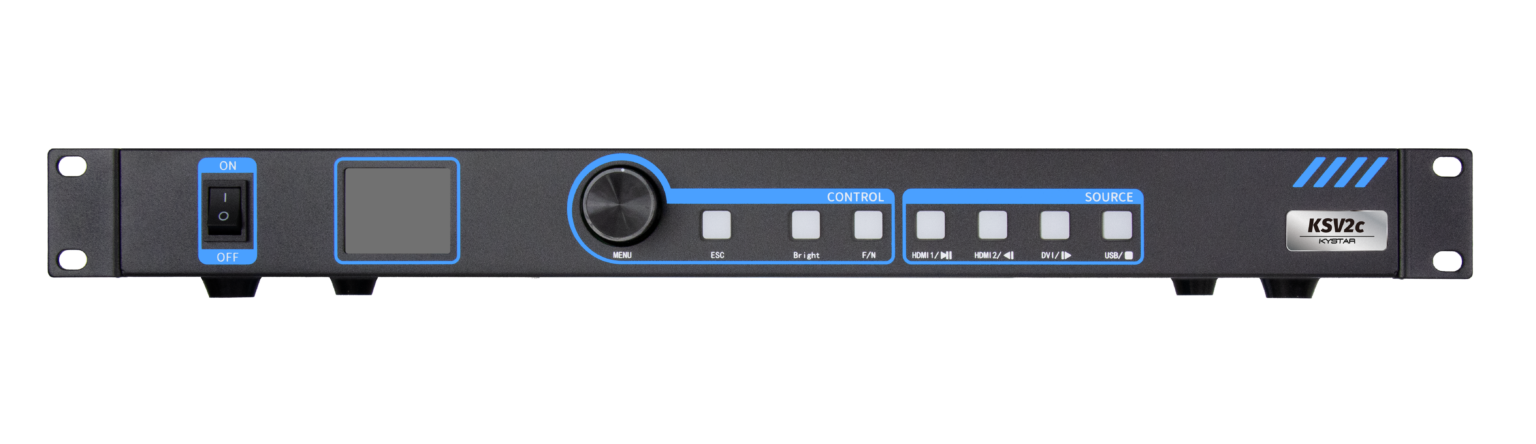
Standalone controllers typically focus on deterministic performance: fixed I/O, low processing latency, and tight frame synchronization. Integrated suites bundle media servers, scaling tools, and often cloud management, which helps complex content pipelines but can add processing overhead. Pixel pitch remains a hardware concern, but the controller determines how smoothly content maps to that pitch; mismatches show up as color banding or timing artefacts. For broader system governance, consider how your chosen solution implements refresh rate management and color calibration—those are where display fidelity and temporal stability diverge. Many teams find that a unified approach to LED display control simplifies commissioning without sacrificing per-panel tuning.
When each approach makes sense
Compare by project type rather than brand gloss:
– High-visibility outdoor advertising: prefer controllers with redundant outputs and proven low-latency paths; uptime matters more than bells. – Venues and stadia: integrated suites reduce onsite setup time and help with multi-source switching during events. – Fixed architectural installations: standalone controllers often offer better pixel-level control and longer lifecycle support.
Costs matter, but predictability matters more. — If you face strict service windows or municipal permits, choose the option that delivers measurable SLAs rather than theoretical feature lists.
Common mistakes and viable alternatives
Teams frequently under-spec processing bandwidth and overestimate the benefit of adding features. Common mistakes include neglecting frame synchronization across multiple cabinets and assuming a single server can handle peak concurrent streams. Another recurring error is ignoring environmental factors such as temperature-driven brightness drift, which impacts long-term color calibration schedules.
Alternatives to a single-vendor integrated suite include distributed media servers, FPGA-based controllers for ultra-low latency, and hybrid models that pair a central media engine with local controllers for redundancy. Each alternative carries a tradeoff: distributed systems reduce single points of failure but raise complexity; FPGA solutions minimize latency but require specialist support.
Deployment checklist and commissioning tips
Successful rollouts follow a short, repeatable checklist:
– Verify target refresh rate and ensure all devices lock to the same timing source. – Test color calibration at expected ambient light levels and document the calibration curve. – Run sustained throughput tests simulating peak content complexity to expose thermal or frame-drop issues.
Document outcomes. Then automate monitoring where possible—simple telemetry catches drift long before visible defects appear.
Advisory: three golden rules for selection
1. Prioritize synchronization capability. Measure frame synchronization accuracy in milliseconds; anything above a few ms can break multi-panel visuals. 2. Match processing bandwidth to worst-case content. Use bit-depth, resolution, and layer-count during load tests to size the controller. 3. Require modular redundancy. Design for graceful degradation: if a node fails, the display should dim or reroute rather than go dark.
Apply these metrics during procurement and you reduce surprises during commissioning.
For installations that must balance on-site control with centralized management, consider companies that publish measured latency and support per-panel calibration. I recommend assessing real test logs from pilot runs before full procurement—this gives you objective data, not promises. Kystar. —