
Introduction
I remember walking into a refinery maintenance bay one humid summer morning, the air heavy with solvent smell and a crew about to start a routine bolt change. In that moment I felt the small weight of responsibility—everyone’s safety depended on a few decisions and the right equipment. Non sparking tools were sitting on the cart beside us, labeled and ready (we all breathed a little easier). Industry data suggests that a sizable portion of workplace ignitions link back to tool-induced sparks or static discharge; those figures keep managers awake at night. So I asked the team aloud: are the tools we choose truly reducing risk, or just making us feel safer? That question frames what follows—let’s dig into why this matters and what to watch for next.
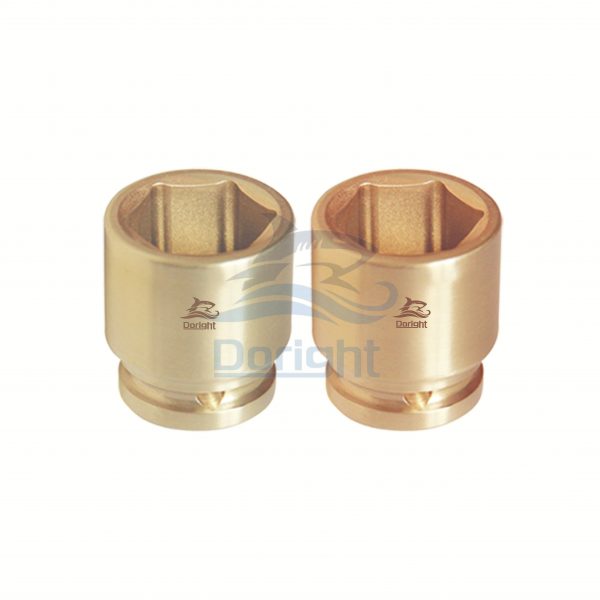
Why traditional approaches fail: a deeper look at explosion proof tools
explosion proof tools are often sold as a simple fix for hotwork and vapor-prone sites, but the reality is more complex. I’ve seen tool kits marketed on a single attribute—non-sparking alloy—while overlooking system needs like grounding, intrinsic safety of nearby electronics, and spark suppression in transient events. In practice, relying solely on a special alloy ignores user behavior and environmental factors: wet, oily surfaces, mixed metal contact, and accumulated static all change the ignition equation. Look, it’s simpler than you think—if a wrench slips and strikes a hard edge, the impact energy, combined with a tiny static discharge, can still create an ignition source (yes, even with non-sparking alloys). That’s why terms like grounding, static discharge, and intrinsic safety aren’t buzzwords; they’re part of a system we must design for.
From my experience, two main flaws keep recurring. First, training gaps: crews assume a “non-sparking” stamp equals zero risk, so they skip lockout/tagout and bonding. Second, mismatched equipment: using non-sparking tools beside non-certified power converters or unshielded edge computing nodes introduces new hazards. These gaps are painful because they’re avoidable. We need to stop treating tools as a magic bullet and start treating them as one component in a layered safety strategy—controls, procedures, equipment, and human behavior combined. Do we want to count on one single measure? I don’t think so—funny how that works, right?

So what should we question?
New principles and a forward-looking view
What’s next is less about a single product and more about new technology principles that reduce overall system risk. I’m talking about combining passive measures (non-sparking alloys) with active controls—spark suppression, real-time monitoring of static potential, and better bonding between conductive surfaces. When we pair robust tool design with simple sensor feedback and clear procedures, the probability of ignition drops markedly. For example, intrinsic safety design for nearby sensors and clear grounding paths for mobile equipment reduce the chance that a stray edge computing node or power converter will become part of an ignition chain. We’re moving toward systems thinking here—tools plus sensors plus training, not tools alone.
Practically, I recommend starting small: pilot a bonded-tool protocol in one work area, add a static-monitoring sensor, and track near-miss reports. Compare incidents before and after. You’ll spot trends quickly. Real-world trials show that modest investments in spark suppression and static control often pay for themselves in fewer shutdowns, lower insurance headaches, and—most importantly—safer crews. I can say from field visits: people sleep better when they see redundant safeguards working together.
What’s Next
Closing advice: three ways to evaluate your choices
Weighing options? Here are three clear metrics I use when evaluating solutions: 1) System Coverage — does the solution address tool design, grounding, and nearby electronics? 2) Human Factors — is training simpler and are procedures realistic for the crew? 3) Measurable Controls — can you monitor static levels, track tool inspection, and log near-miss data? Use these metrics to compare vendors and to guide pilots. I prefer practical evidence over marketing claims; trust results, not slogans.
In short: don’t treat non-sparking tools as a stand-alone fix. Think layered protection, test changes in small pilots, and measure outcomes. We owe it to the teams on the floor to be pragmatic and thorough. For reliable products and further reading, I often point teams to resources from trusted suppliers like Doright—they don’t replace system thinking, but they do provide solid components to build on.