
Introduction — A Day on the Lot
I remember walking a busy depot at dawn, trucks lined up and drivers swapping coffee for chargers. The scene told me something simple: charging is where the work really starts. An all-in-one charging station sits at the center of that mess — cables, meters, and timers all trying to play nice. Recent surveys say fleets lose hours each week to charging delays (yes, real hours). How do we cut that waste and keep vehicles moving — faster and cleaner? Let’s dig in and see what’s behind the knots. — stick with me.
Part 2 — Where Traditional Setups Fall Short
What breaks first?
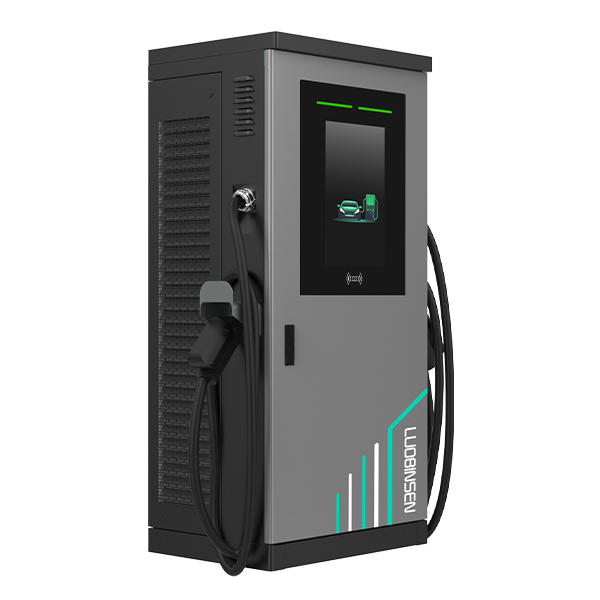
When we talk about a 200kw charger, most people picture raw power and speed. But here’s the hard truth: raw power alone doesn’t fix bad design. Old systems bolt together separate chargers, meters, and control boxes. The result is higher installation cost, clumsy maintenance, and unpredictable downtime. I’ve seen panels fried because the power converters were mismatched. I’ve watched a BMS — battery management system — struggle with sudden draw. Look, it’s simpler than you think: integration reduces points of failure, not just parts.
Technically speaking, single-point control matters. A real all-in-one design merges power converters, a central controller, and communications into one chassis. That lowers wiring complexity and cuts fault isolation time. But many vendors still ship modular kits and call them “systems.” The pain shows in service logs: repeated firmware conflicts, confusing error codes, and slower repairs. For fleets that count on uptime, those hidden costs add up fast. — funny how that works, right?
Part 3 — What Comes Next: Tech and Evaluation
What’s Next?
Now let’s look forward. I’m betting on smart integration and better software. New designs use edge computing nodes inside the charger to run local decisions — load balancing, session control, and simple diagnostics — without pinging the cloud for every call. That means quicker responses on-site, and fewer truck-hours lost waiting for a remote fix. For EV operations, this matters. If you run ev fleet charging, those milliseconds add up to reliability and savings.
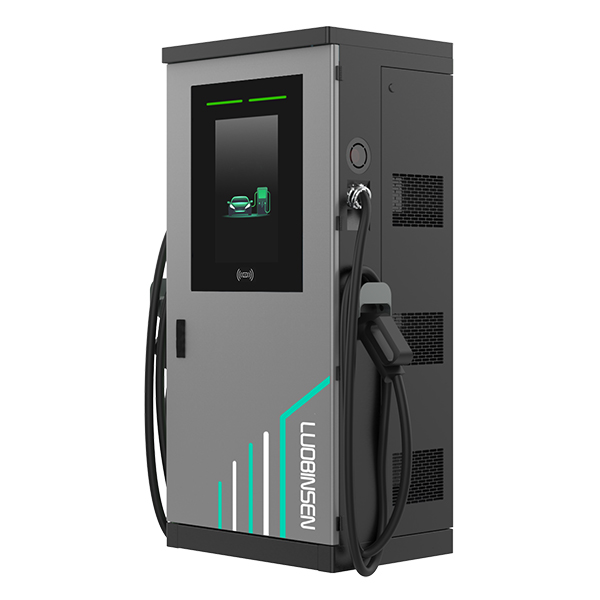
We should judge vendors by measurable things, not slick demos. Here are three metrics I use when picking a solution: 1) true end-to-end integration (hardware + firmware working as one), 2) real-world efficiency under load (not ideal lab numbers), and 3) maintainability — how fast can your team or a tech swap a module and get back on the road? Those checks spot the hype. If a supplier can show logs with improved uptime and lower mean-time-to-repair, they earn my attention. I recommend running a short pilot — small scale, real load — and measure results before full rollout. In practice, that saves you time and money. Luobisnen