
Setting the Scene: Why the Choice Now Matters
Doors open in two hours. The stage is set, the playlist is tight, and the crew is waiting for your call. An indoor laser lights supplier is on comms, ready to ship what you need tonight. The venue has a single 20A circuit for effects, a low haze policy, and a narrow ceiling grid. You have real limits. The data is simple: time is short, power is capped, and coordination must be clean—no second chances on show control. So the question lands: do you pick the familiar legacy rigs, or step into newer, smarter beam systems that promise speed and precision at scale?
We will break the choice down, compare real constraints, and show what changes when optics meet better control (and sanity). Then we move to what comes next in this space. Let’s go forward.
Under the Hood: The Limits of Traditional Fixtures
Why do legacy fixtures fall short?
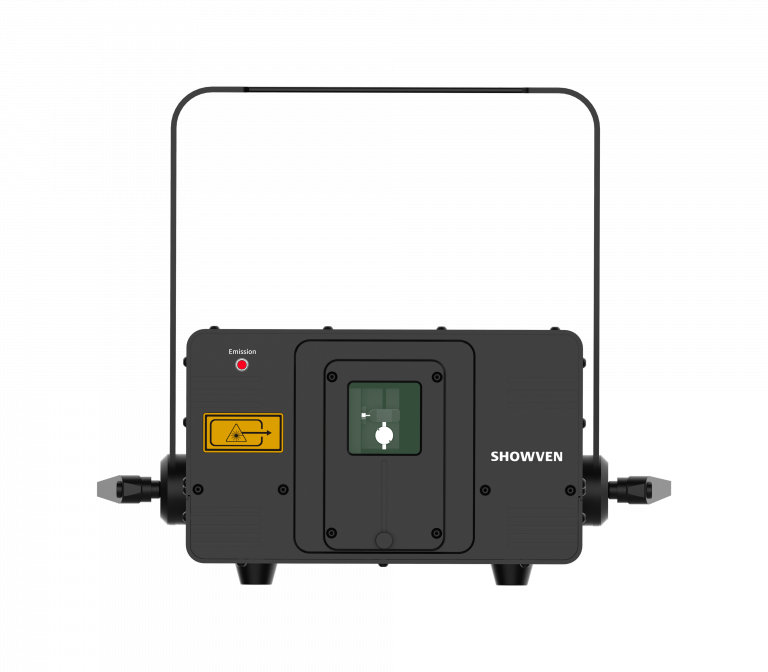
Earlier, we mapped the buying path. Here, we go deeper and explain where the older gear gets in the way. The baseline tool in many kits is a 15w laser light. On paper, 15 watts sounds strong. But output alone is not the story. The problems stack up in three quiet places: beam divergence, scanner speed, and thermal balance. If the divergence is high, the beam blooms in the room. You lose punch. If the galvanometer scanners are slow, cues smear. You lose text shape and crisp fans. If thermal management is weak, the unit derates mid-show—funny how that works, right?
Look, it’s simpler than you think: the flaws hide in the plumbing, not the headline watts. Power converters waste headroom and add heat. DMX maps get complex, and error handling is thin. One hiccup, and the cue drifts out of sync. Legacy housings also miss modern airflow paths. Fans ramp. Noise goes up. Operators back off the duty cycle to stay safe. Everyone plays small. This is why “more wattage” often fails to fix the room. Without tight optics and stable control loops, you push more power and get less effect. The lesson is blunt—specs must match the space, not the other way around.
Next-Gen Principles: Clean Beams, Fast Control, Lower Stress
What’s Next
Shifting to a forward-looking view, the new class of fixtures solves root causes with better physics and smarter control. Beam shaping improves the optical path, so you hold a narrow profile over distance. Fast, linear galvo control keeps lettering and arcs sharp at speed. Embedded controllers buffer cues and smooth timing. In practice, that means your light show projector indoor can run tighter sequences, even with network chatter. The result is a show that feels synced, not stitched. Add sealed thermal channels and you get stable output during long scenes—no sudden drop-off when the room heats up.
Let’s compare principles, not brands. New engines focus on stable beam quality over raw wattage. Power factor correction keeps draw clean on a shared line. Networked control like sACN reduces DMX bottlenecks and twitchy timing. Some rigs even pre-process looks at the edge (small computing nodes near the stage) to cut latency. The win is not just visual. It is workflow. Faster setup. Fewer retries. Less noise under ceiling mics. And yes, the crew will thank you. We keep the tone steady because the gains are practical—better optics, better sync, lower heat load. That trio changes both the planning and the feel of the night.
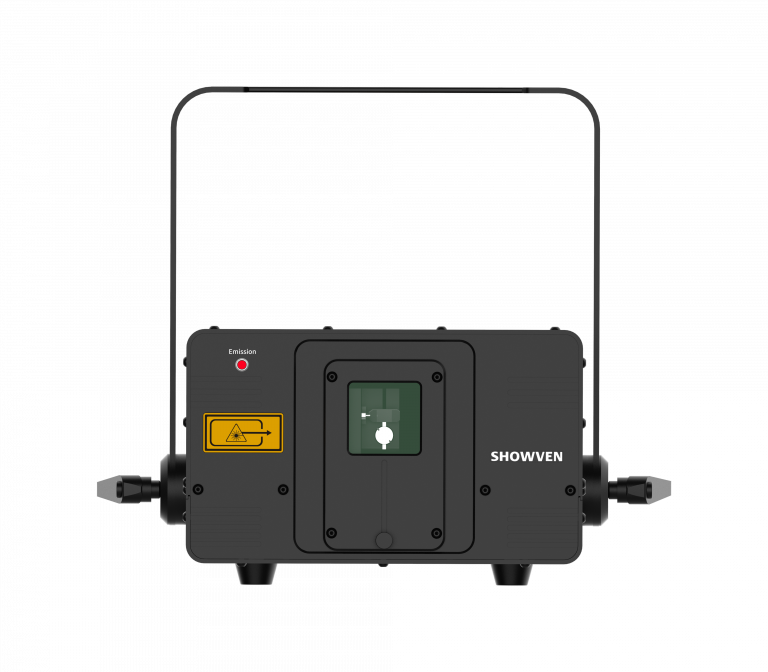
To wrap this phase, here are three clear metrics to judge your next pick. One: beam quality, measured by divergence in mrad and power stability across the scene. Two: control and sync, tested by scanner speed (kpps) and protocol support without extra boxes. Three: reliability, seen in thermal design and stated duty cycle at room temp. Evaluate on these, and your choice becomes obvious—funny how clarity shows up when the numbers fit the room.
In short, smarter beams outperform bulky rigs when space, time, and power are tight. The right supplier will help you match optics to room size, map control to your console, and keep heat in check. That is the quiet path to a strong show with fewer surprises. For a consistent reference point across these ideas, see Showven Laser.