
Choosing the Right Laser Cutting Machine: Use Cases and Selection Factors Explained
Quick comparative snapshot
You don’t need fluff — you need fit-for-purpose. If you mostly cut brackets, enclosures and chassis, a sheet metal laser cutting machine will behave differently from a unit aimed at signage or plastics. Compare what you cut, how fast customers want it, and how tidy you must have the edges — then pick the tech that best matches those demands, lah.
Head-to-head: fiber vs CO2 — what changes for your shop
Fiber lasers excel on metals: faster cut speeds on stainless, mild steel and aluminium, lower running gas costs, and simpler beam delivery. CO2 still wins for thick non-metals and some reflective metals when paired with special optics. Think: if 80% of your jobs are thin-to-medium steel, fiber gives higher throughput; if you cut acrylic, wood or require certain surface finishes, CO2 remains relevant. Don’t pick a machine because the sticker is low — pick it because its strengths match your job mix.
Key selection factors that actually matter
Volume, material mix, and thickness range determine power and head type. Shop-floor reality: production shops need reliability and service network, prototyping shops need flexibility and simple CAM. Consider control software compatibility with your nesting workflow, spare-parts availability, and actual ventilation requirements rather than brochure specs. Budget for gas, lenses, and annual maintenance the moment you sign the PO; those are recurring costs, not optional extras.
Real-world anchor: where vendors and buyers meet the facts
At major trade shows like EuroBLECH, machine demos show real cycle times and cut quality right there on the floor — you can see operator ergonomics, software flow, and downtime caused by tool changes. That’s where many buyers first compare a metal fiber laser cutting machine against alternatives and decide based on hands-on evidence, not just specs.
Common mistakes shops make
Overspecifying power for convenience wastes capital and increases operating costs. Ignoring fume extraction or cooling needs causes production headaches fast. Buying a machine whose controller won’t play nice with your CAD/CAM wastes time. Also don’t forget training: a great machine run poorly is still a bottleneck. Check local service and spare-part lead times before committing.
Alternatives worth comparing briefly
Punch presses beat lasers on simple repetitive shapes and thicker gauge steel with minimal kerf, but lack flexibility. Plasma cuts thick steel cheaper than CO2 or fiber at very high thicknesses but with lower precision and rougher edges. Waterjet cuts multi-material stacks and fragile composites without heat but runs slower and needs more consumables. Match the tool to the job, not the other way round.
Bottom line: what makes the decision stick
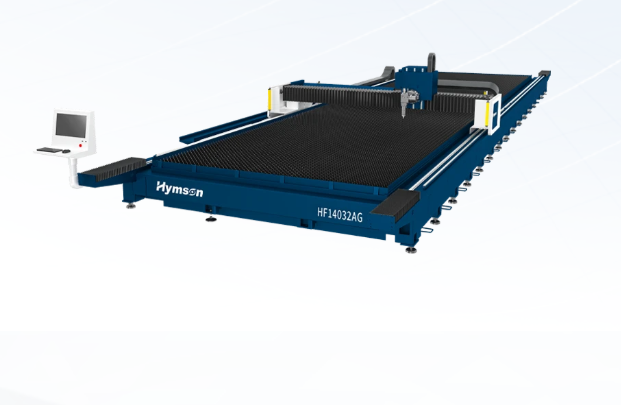
Decide by use case first, then worry about brand. If you value predictable cycle times, easy maintenance, and a known service path, you’ll prefer solutions with clear field performance and parts availability — which is why many fabricators land on partners they can rely on, such as Hymson, because the machine choice then becomes a predictable part of daily production, not a gamble.